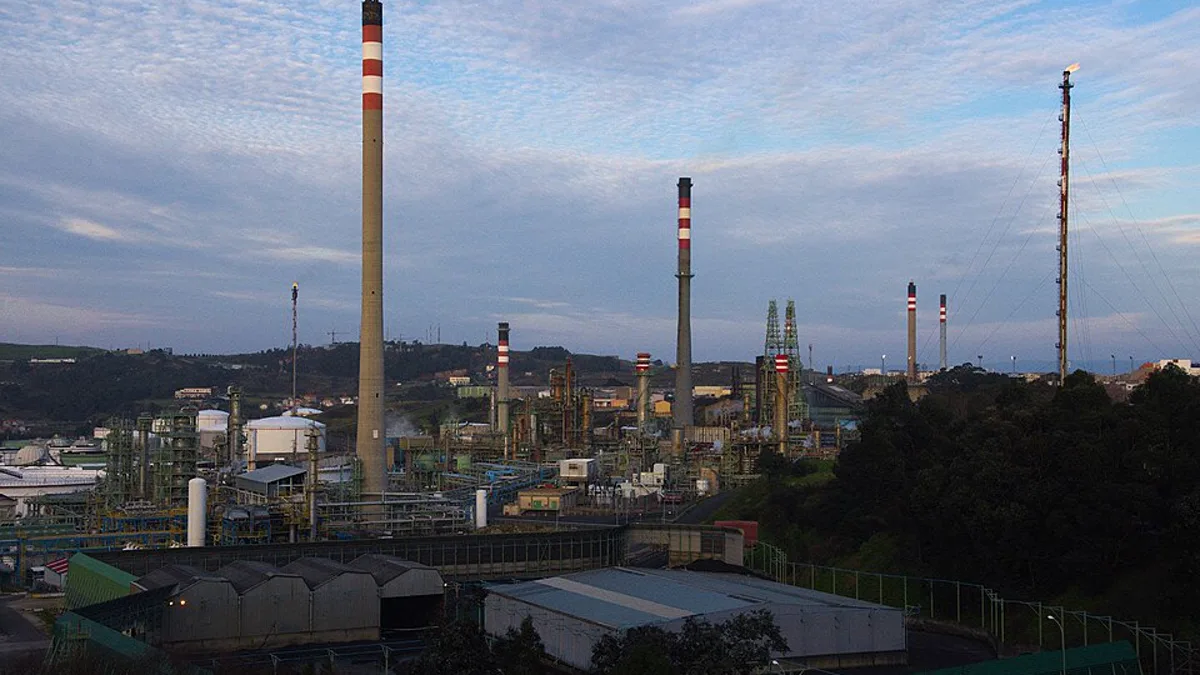
Saudi Arabia, Russia and five other OPEC+ members agreed on Sunday to hold December production at September levels, OPEC said in a statement.
Zoom in: The seven countries, Saudi Arabia, Russia, Iraq, Kuwait, Kazakhstan, Algeria and Oman, met virtually on 1 November and decided to maintain September required production for December.
By the numbers: Brent crude settled at almost $118 a barrel on Friday after jumping more than 2%, the highest since April, as traders braced for escalation in the Iran war after the US midterms.
The backstory: The group spent most of 2026 raising targets and in September finished unwinding a 1.65 million barrel per day cut first agreed in 2023, then held October and November steady.
- A second layer of production cuts totalling about 2 million barrels per day still covers most members through the end of 2026.
What's next: All 21 members meet on 29 November to set 2027 quotas, and a review of member production capacity is now expected to finish by mid-November.
- "Today's decision was the easy one," said Rystad analyst Jorge Leon. "The much more important test comes at the November 29 ministerial meeting, when OPEC+ will decide its 2027 production framework."
Yes, but: Gulf members are still pumping well below their targets because the conflict disrupted exports and capacity projects, leaving forecasters including the International Energy Agency warning of excess supply in 2027.
The big picture: OPEC+ pairs the Organization of the Petroleum Exporting Countries with allies including Russia, and only these seven members have set monthly output in recent years.
Why it matters: Pump and heating prices follow crude with a lag, so holding output flat while Brent sits near $118 points to another expensive winter for US drivers and anyone heating with oil.