NASA on Friday asked US companies to submit plans for commercial space stations that could host astronauts in low Earth orbit as early as 2030.
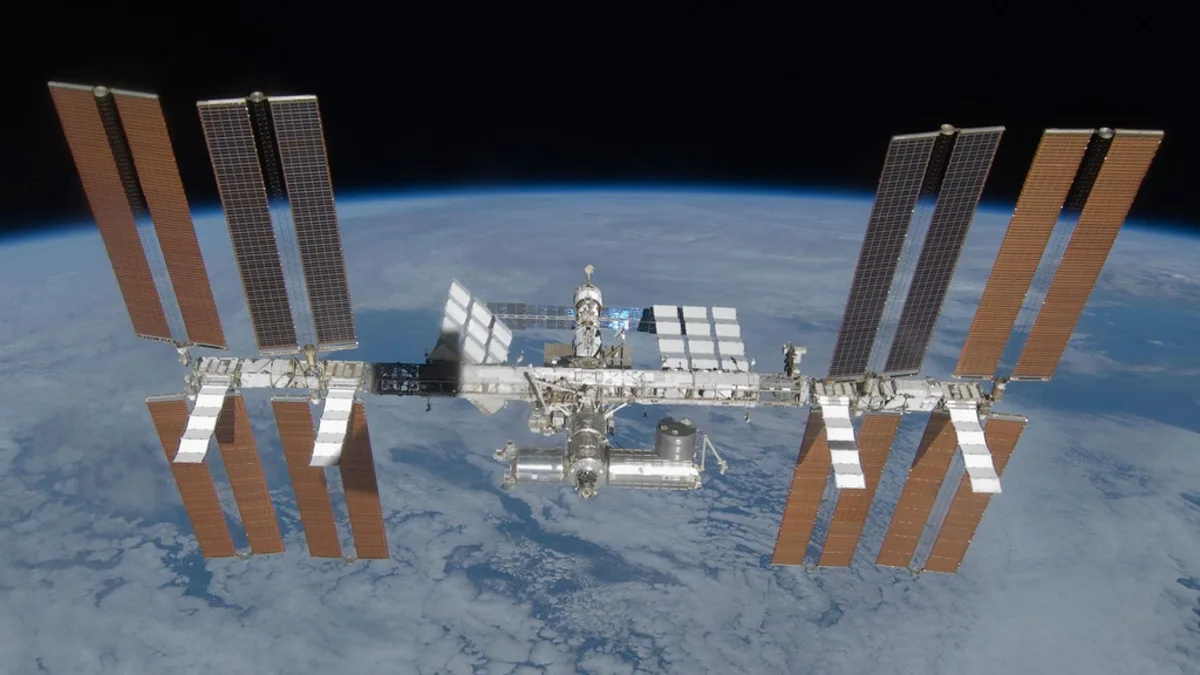
The big picture: The International Space Station is due to be retired in 2030 or 2032, and NASA wants a privately owned replacement flying in low Earth orbit before that happens.
What they're saying: "We've made it clear that NASA will never give up its presence in low Earth orbit," administrator Jared Isaacman said. "The opportunity is significant, but the economics ultimately have to work."
- Isaacman said the agency wants "credible plans, strong technical execution, and companies prepared to invest in destinations that can serve NASA while developing additional customers and markets of their own."
Zoom in: NASA plans to select two or more contractors in this phase, each guaranteed at least $100 million, then run a competitive task order for final design, certification and services. Later phases cover development and at least four crew missions.
By the numbers: For the first time NASA put a price on the flights: $325 million for a four-seat crew mission in 2030, and $300 million for a cargo flight.
Between the lines: Bidders are expected to include Axiom Space, Voyager's Starlab and Vast. NASA dropped a requirement that bidders show a signed transportation contract, and offered to furnish rides for the first four service missions.
Why it matters: A commercial station turns orbit into a market with paying customers beyond the government, and it decides whether the United States keeps a crewed foothold in low Earth orbit once the ISS comes down.