Robert Hall and Michael Woodford won the 2026 economics Nobel for work that reshaped how policymakers stabilize economies after shocks.
The big picture: The Royal Swedish Academy of Sciences honored Hall and Woodford for giving macroeconomic policy stronger foundations in the choices made by households and businesses. Their models help explain how consumers decide whether to save or spend after a shock.
- The Nobel committee said the research made major crises easier to manage and proved especially useful during the pandemic and recent energy shocks. It described the work as a paradigm shift in stabilization policy.
The backstory: Earlier policy often followed a broad Keynesian prescription: cut taxes or raise government spending to revive demand. Hall and Woodford helped build models that account for incentives, expectations and individual decisions beneath the economy-wide totals.
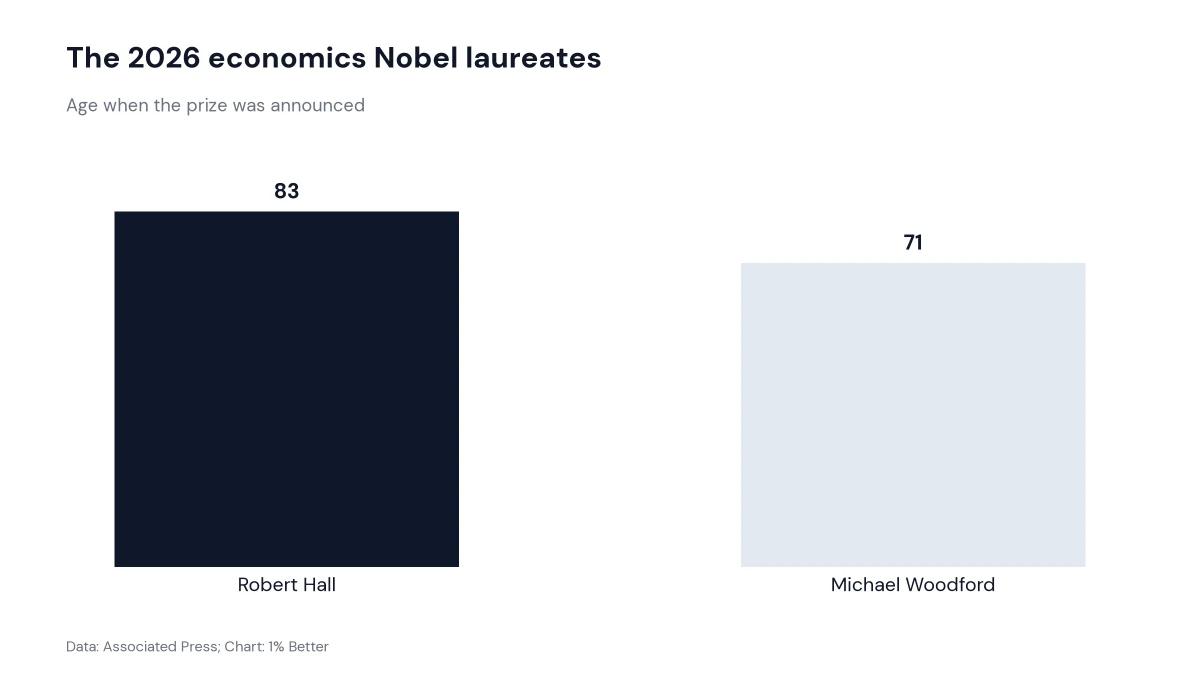
- Hall, 83, is affiliated with Stanford University. Woodford, 71, teaches at Columbia University and told the award committee he was elated by the decision.
By the numbers: The two economists will share 12 million Swedish kronor, about $1.2 million. The economics award closes this year's Nobel announcements, with the ceremony set for Dec. 10.
- Central banks use descendants of these models to forecast inflation, employment and the effects of interest-rate changes. Governments use them to compare the timing and scale of fiscal responses.
Yes, but: Models simplify a changing economy and still rely on assumptions about behavior, information and expectations. The current mix of war-driven energy prices and AI investment gives policymakers another real-world test.
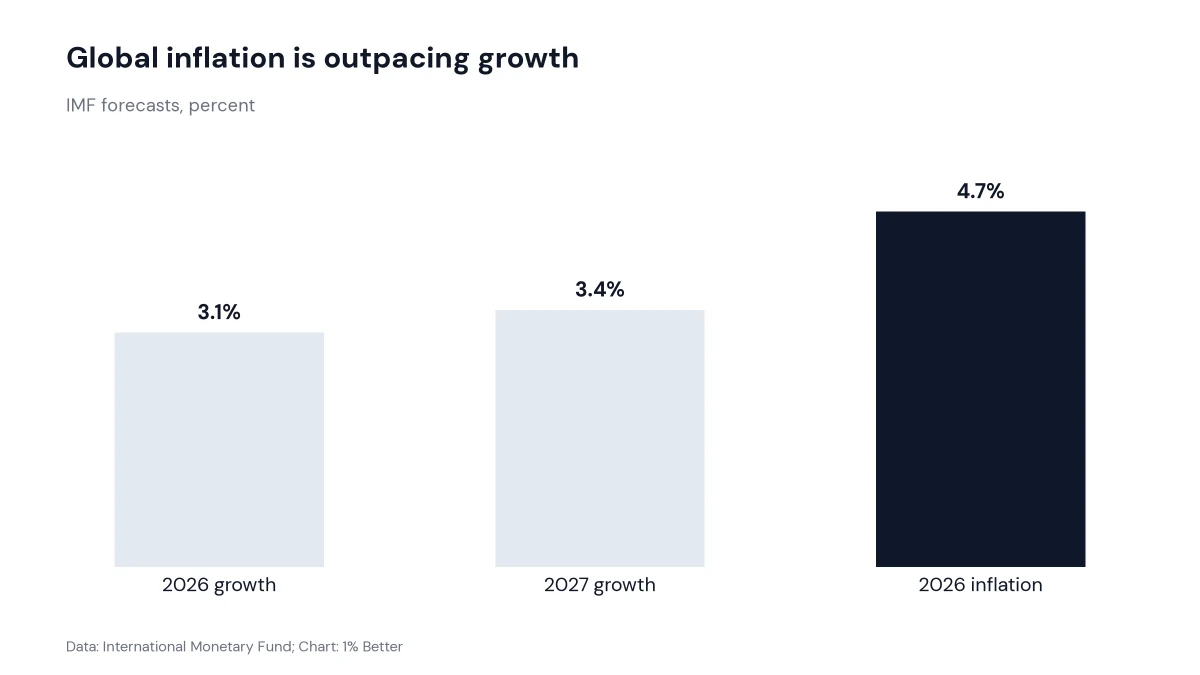
Why it matters: Interest rates, stimulus checks and government budgets all depend on judgments about how people will react. The prize recognizes the framework behind those decisions at a moment when inflation and growth are again moving in opposite directions.