Stanford researchers used AI to discover a natural molecule called BRP that cut food intake by up to 50% in animals while avoiding the nausea and muscle loss tied to Ozempic.
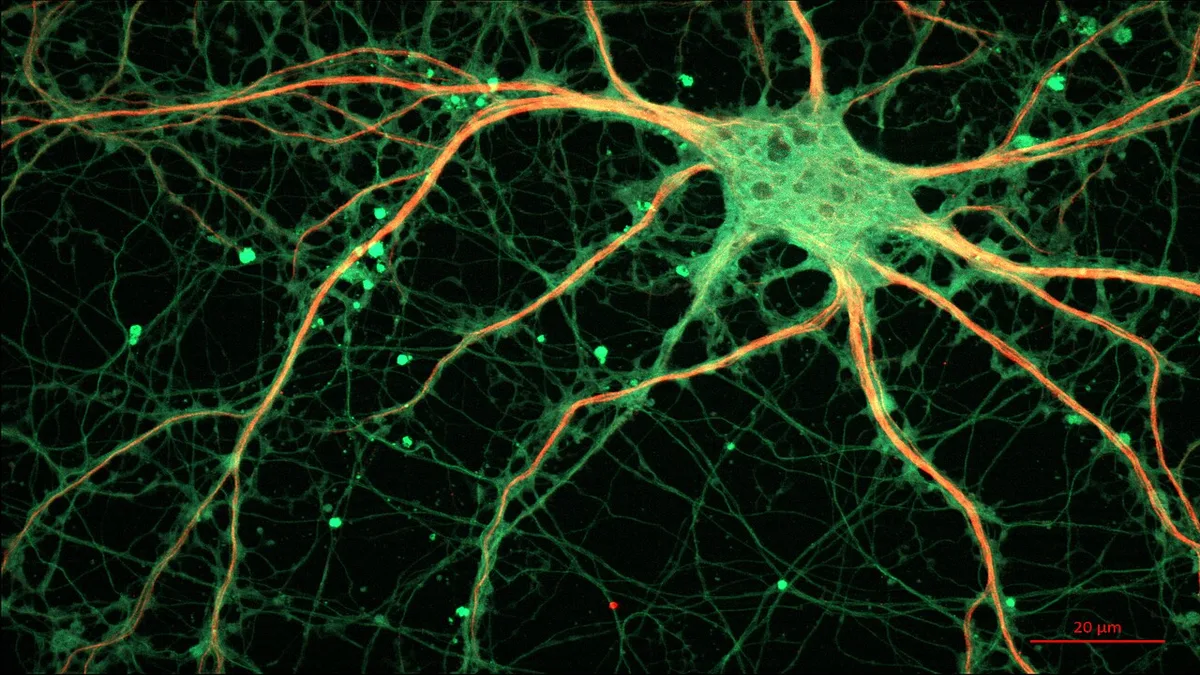
The big picture: BRP is a 12 amino acid peptide that acts specifically on the hypothalamus, the brain region controlling hunger and metabolism. Semaglutide hits receptors across the gut, pancreas and other tissues, which is why it causes digestive side effects.
- "The receptors targeted by semaglutide are found in the brain but also in the gut, pancreas and other tissues," said assistant professor Katrin Svensson. "In contrast, BRP appears to act specifically in the hypothalamus."
By the numbers: Obese mice treated daily for 14 days lost an average of 3 grams while untreated controls gained 3 grams. Nearly all the weight lost came from fat rather than muscle. The molecule boosted neuronal activity tenfold compared with untreated cells, outperforming GLP-1.
- The team's Peptide Predictor algorithm scanned all 20,000 human genes and narrowed the search to 373 prohormones and 2,683 candidate peptides. Researchers tested 100, and BRP produced the strongest response.
Yes, but: The results are preclinical. Peptides can break down quickly in the body, potentially requiring frequent injections, and nausea cannot be fully assessed in animal models. Human clinical trials are the next step.
Why it matters: GLP-1 drugs are a $50 billion market, but side effects drive many patients to quit. A targeted molecule that avoids the gut entirely could reshape obesity treatment if the animal results hold up in people.