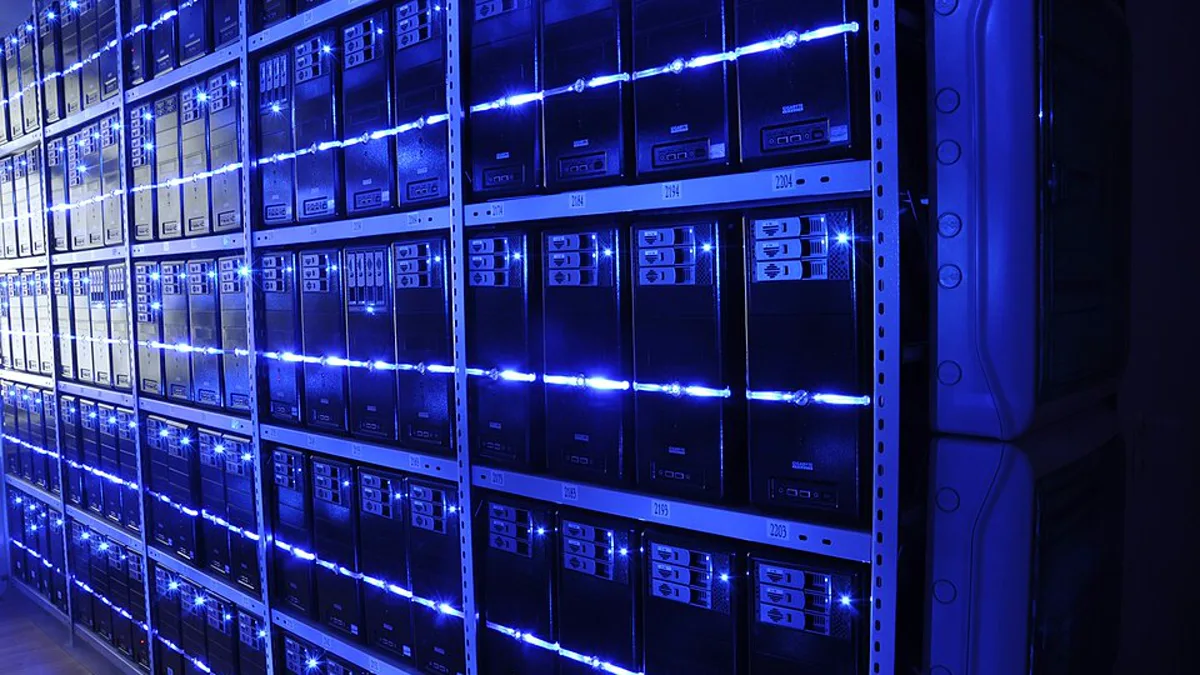
OpenAI said on Thursday it will stop using nondisclosure agreements with public officials and will pay the full cost of the electricity its data centers use.
Zoom in: Every future compute campus OpenAI owns and operates will get a local compact promising early resident input, published construction plans, independent noise studies and annual reporting on water and electricity use.
- The company says it will cover the full cost of the power and infrastructure it needs, and post financial assurances before major spending so other customers are protected if a project stalls.
By the numbers: In Effingham County, Georgia, residents steered a $4.8 million grant into free school meals for all 14,000 students in the county, and families in Pike County, Ohio chose childcare, drawing a joint $6 million commitment from OpenAI and SB Energy.
Between the lines: OpenAI’s agreement with Georgia Power lets the utility cut up to 1,000 megawatts of delivery to its planned Effingham County campus during periods of high demand.
What they're saying: "What we’re doing with this blueprint is really laying out the best lessons that we have learned and committing to applying them as they go forward," OpenAI chief global affairs officer Chris Lehane told reporters.
Yes, but: The blueprint asks federal, state and local policymakers to write these terms into law, so the binding version depends on a Congress that convenes in January.
Why it matters: OpenAI told investors in February it is targeting about $600 billion of total compute spend by 2030, and who pays for the grid upgrades decides whether local utility bills rise.