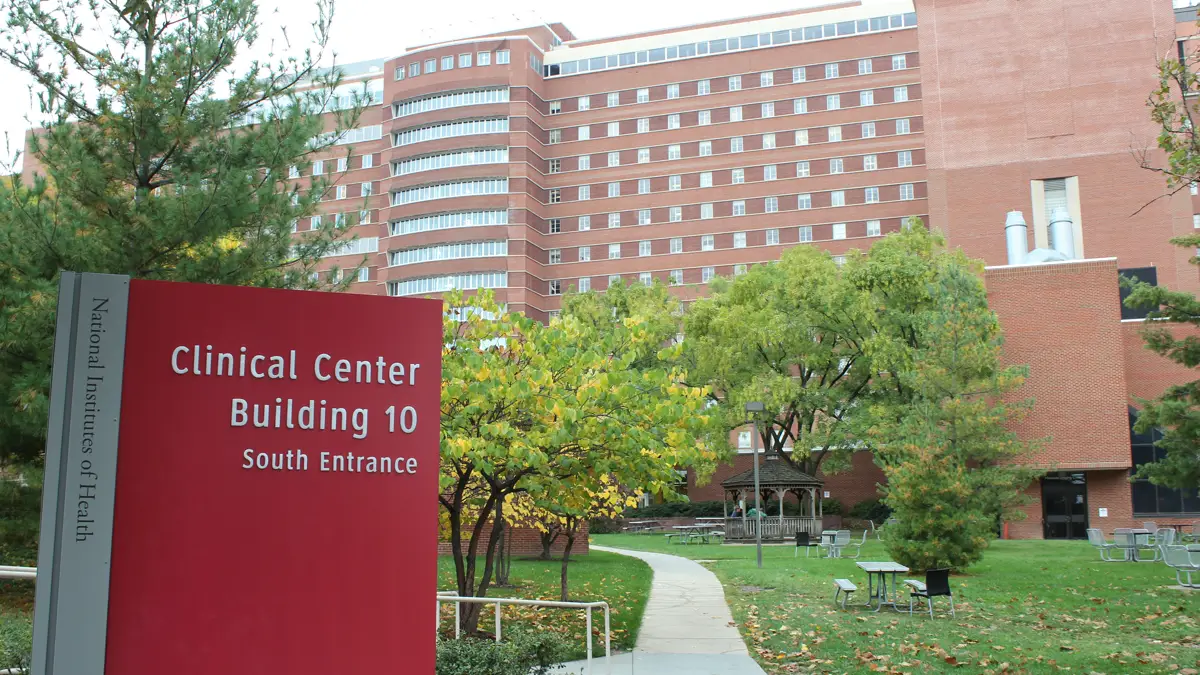
The Department of Health and Human Services said on Thursday it has opened a clinic at NIH dedicated to patients reporting health problems following vaccination.
Zoom in: NIH opened the clinic on October 5 at its Bethesda campus, marked with a ribbon-cutting ceremony. It pairs clinicians with researchers so patients can be evaluated while their cases are studied.
- CMS has proposed reimbursing physicians for the time they spend filing reports to the Vaccine Adverse Event Reporting System, a first.
By the numbers: HHS listed four actions: the NIH clinic, the CMS reimbursement proposal, a requirement that electronic health records capture vaccine adverse events, and a CDC modernisation of VAERS.
What they're saying: We must listen to patients and families who report vaccine injuries, said HHS Secretary Robert F. Kennedy Jr. President Trump and I are building a health system that takes them seriously, follows the evidence, and uses what we learn to make vaccines safer.
The other side: VAERS is voluntary and self-reported, and the CDC website carries a disclaimer that its data may contain information that is incomplete, inaccurate, coincidental, or unverifiable, The Hill noted.
- Kennedy has promoted the widely debunked theory that vaccinations cause autism, per The Hill.
The backstory: CDC solicited bids in August to overhaul VAERS and announced a contract on September 28 to make it work on mobile devices. It also added a VAERS QR code to the vaccine information statements handed to patients.
What's next: Federal health IT standards overseen by the HHS Office of the National Coordinator will require electronic health records to carry vaccine adverse events so the information follows patients between providers.
Why it matters: Paying doctors to file reports will raise the number of reports, and VAERS counts are already widely cited as proof of harm while carrying no verification step, so the data gets noisier as it gets more visible.