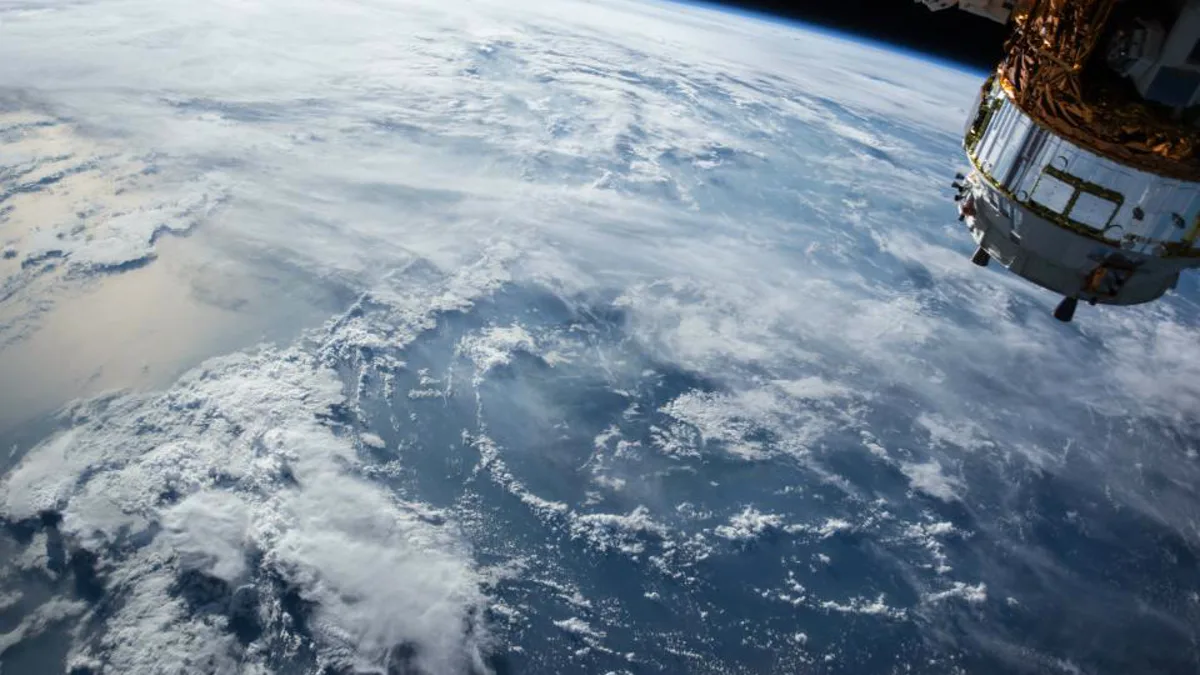
Google launched its first Project Suncatcher satellite on Thursday, carrying four Tensor Processing Units into a sun-synchronous orbit where the solar panels stay in near-constant light.
The big picture: In the right orbit a solar panel can be up to eight times more productive than on Earth, Google's research team says, and near-constant sunlight removes the need for heavy batteries.
- "The sun puts out almost all of the power in our solar system," said Travis Beals, who leads Project Suncatcher. "All of the other power sources that humanity has tapped into are just a tiny fraction of a percent."
Yes, but: Cooling is the hard part. Google calls it "a crucial research challenge," and the chips will run the Gemma model 15 minutes at a time because heat has nowhere to go in a vacuum.
Between the lines: Google capital spending this year runs $180 billion to $190 billion, more than six times its 2022 level, and Sundar Pichai said in May that demand for AI services exceeds supply.
Why it matters: Opposition to power-hungry data centers on Earth keeps growing. SpaceX expects to deploy orbital AI compute satellites as early as 2028, and Google plans two more test satellites next year.