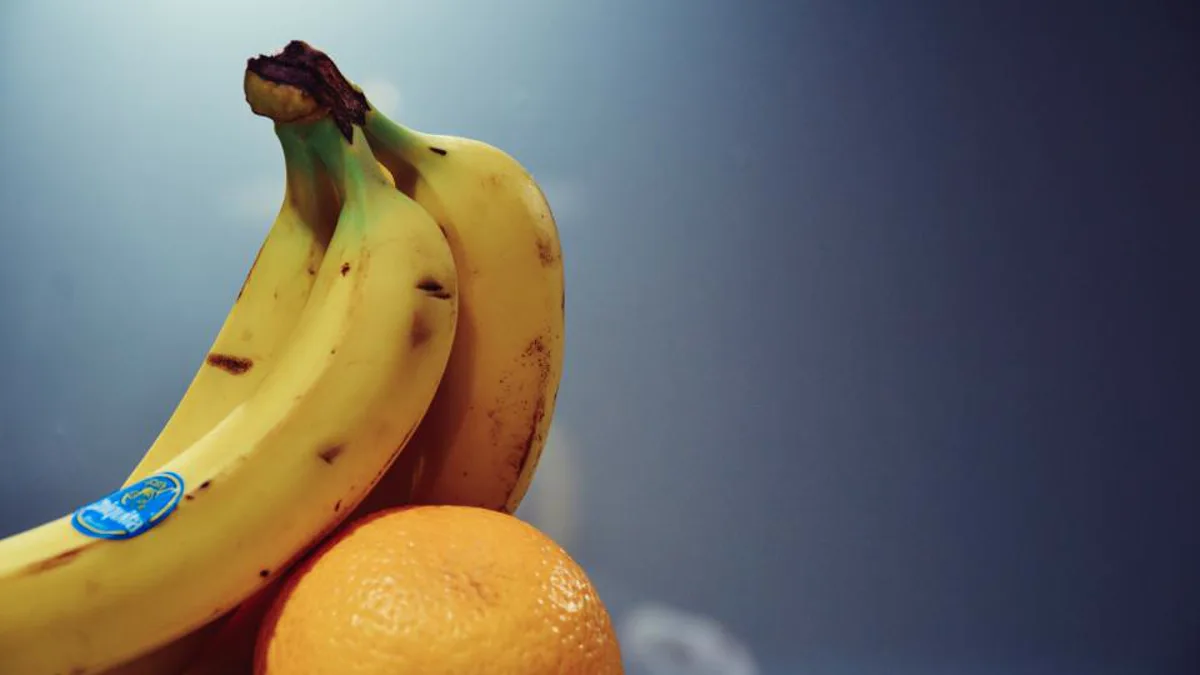
Defra approved a marketing notice last week for Tropic's non-browning banana, confirming the precision-bred status it needs to reach British shelves.
Zoom in: Tropic used Crispr-Cas9 to alter all three copies of a single gene, cutting production of polyphenol oxidase, the enzyme that drives browning.
- Chief executive Gilad Gershon said the flesh resists browning for an extra day or two, and longer when chilled, with the same taste and texture as a standard banana.
By the numbers: A government study found 1.4 million edible bananas are thrown away each day in Britain, and 30% of consumers said they binned one over a minor bruise or black mark.
What's next: The Food Standards Agency still has to review safety. Professor Cathie Martin of the John Innes Centre said it is not entirely clear how long that will take.
Why it matters: Tropic says the fruit could cut food waste and supply-chain emissions by more than 25%, equal to over 9 million tonnes of CO2 a year in the banana export market alone.