The Royal Swedish Academy of Sciences awarded the 2026 Nobel Prize in Physics on Tuesday to Francis Halzen of the University of Wisconsin-Madison for the IceCube observatory and its discovery of high-energy cosmic neutrinos.
The big picture: Neutrinos pass through the Earth and through our bodies without a trace, and only very rarely does one hit an atomic nucleus. Halzen realised in 1988 that the clear, stable ice at the South Pole could record the flash of light from those rare collisions.
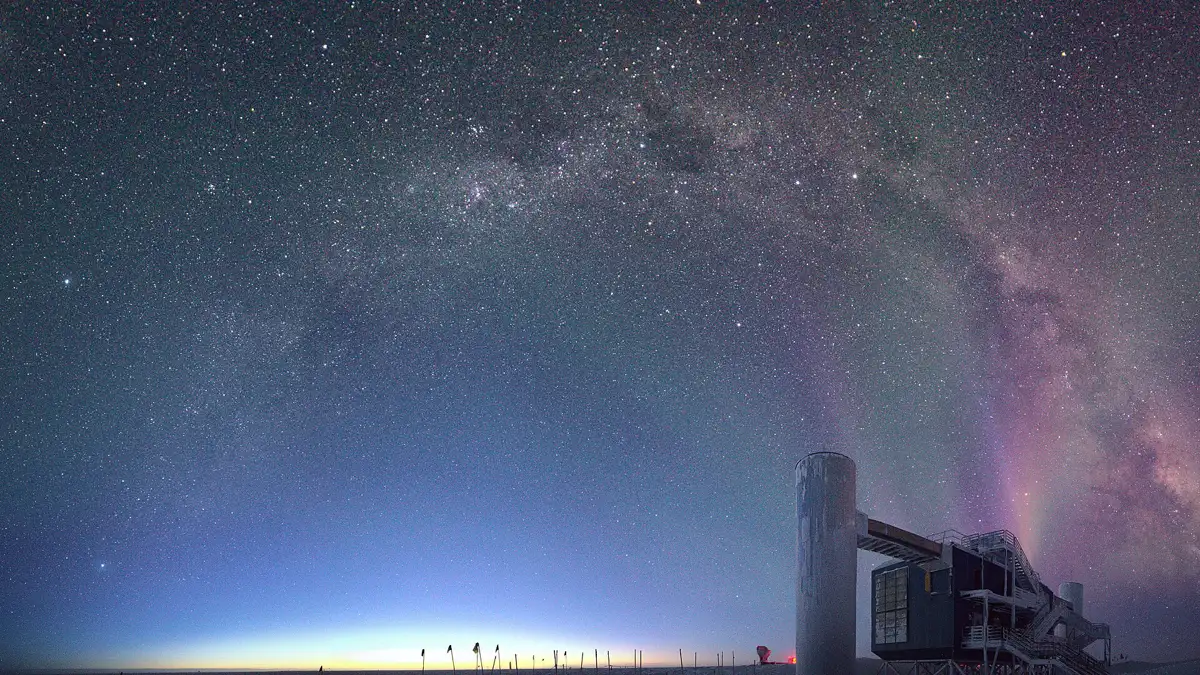
- IceCube was finished in 2011. Thousands of basketball-sized light sensors are embedded in a cubic kilometre of ice, and the detector made its first detection of high-energy extraterrestrial neutrinos in 2013, per The Guardian.
Why it matters: Until now humans have studied the universe through light and gravitational waves. Neutrinos arrive without bending or losing energy, so they carry information about cosmic particle accelerators that no telescope can see. The Nobel committee called it "a new kind of astronomy."
What they're saying: "It feels strange," Halzen told a press briefing. "I hope it reflects on the really courageous people who joined me in the beginning of this project when no really respectable, conservative physicist would have joined me, but many talented people did."
- "Francis Halzen has led an international team of researchers and engineers who have provided us with a fantastic instrument," said Mark Pearce, chair of the Nobel Committee for Physics.
- Patrick Dunne of Imperial College London told The Guardian the breakthrough is comparable to "when Galileo first pointed a telescope at the stars."
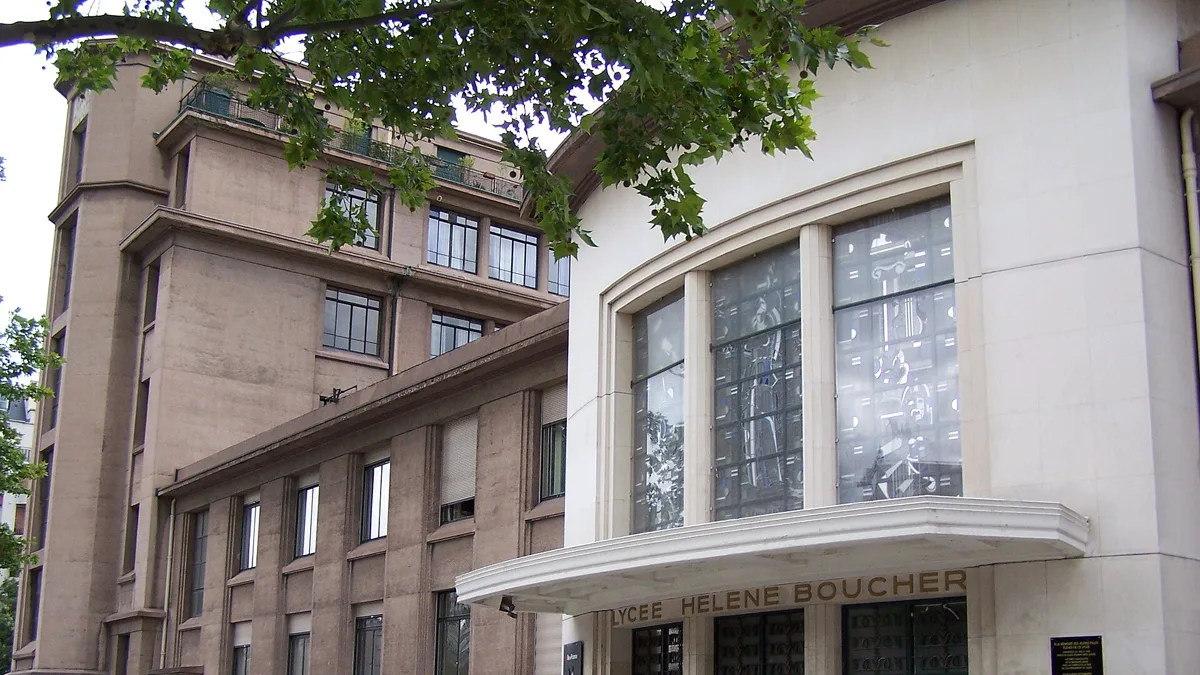
By the numbers: The prize is 12 million Swedish kronor, about 900,000 pounds. Halzen was born in Tienen, Belgium, in 1944, earned his PhD at KU Leuven in 1969 and received the news while travelling in Italy. IceCube has since traced one cosmic neutrino source 3.7 billion light years away.
What's next: Halzen said he is working on a new proposal and hopes the prize helps get it approved. The chemistry prize is announced Wednesday, after Monday's medicine prize went to three scientists for optogenetics.