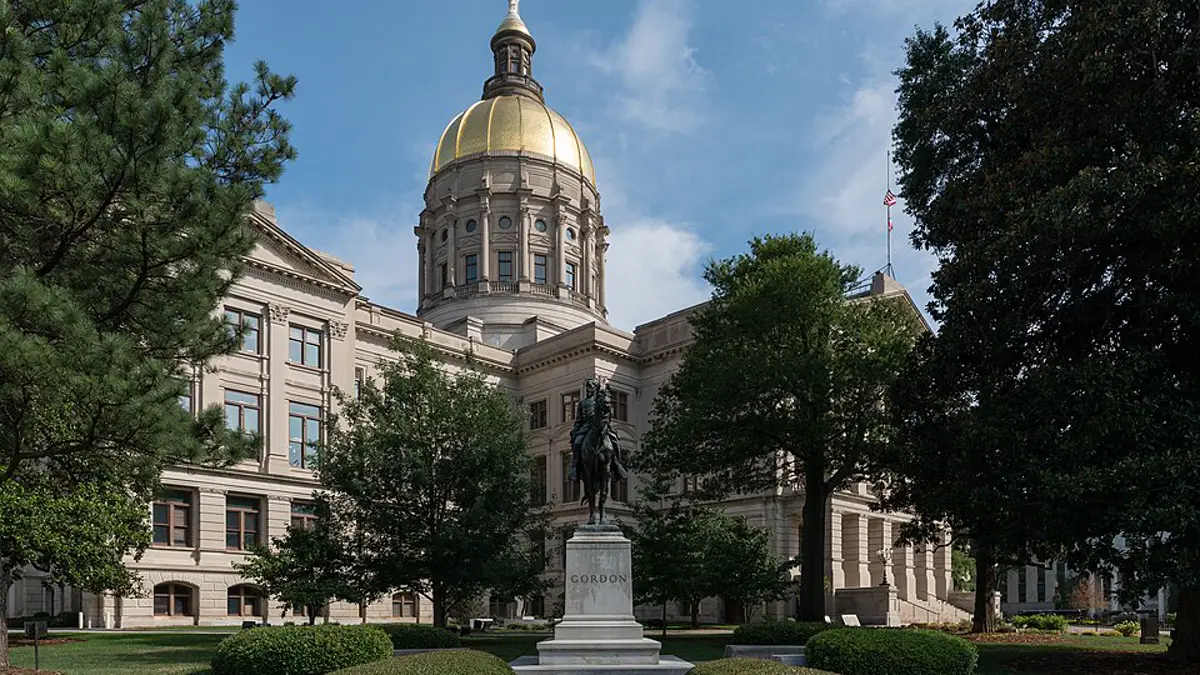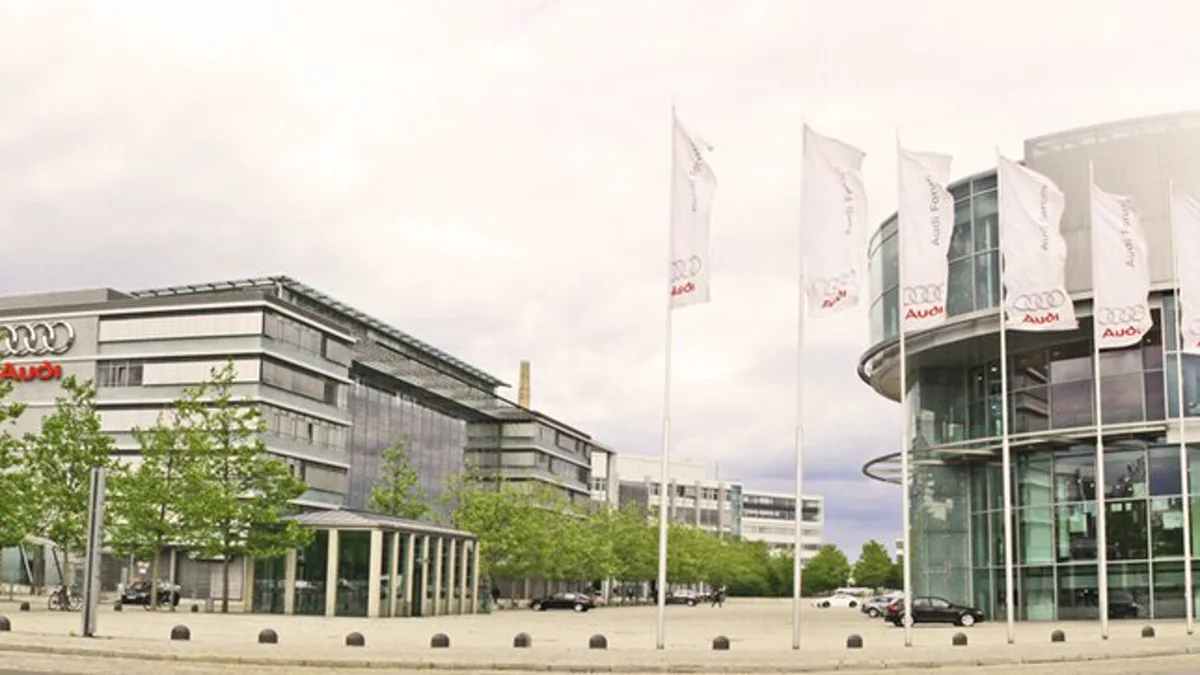
Audi said it will spend $4 billion on its first US assembly plant, in Macon, Georgia, after tariffs on European imports cut into its most profitable market.
By the numbers: Audi aims to build 200,000 SUVs a year at the site and create 4,500 jobs. The factory will assemble the Q7, Q8 and Q9, shifting some production from Bratislava in Slovakia.
The backstory: Audi is Volkswagen's most important premium brand and imports every car it sells in the US. Trump's 15% tariffs on EU imports and his push against battery electric vehicles have squeezed it, and Volkswagen says the tariffs cost the group up to 5 billion euros a year before the hit to sales.
- Volkswagen has already moved production of cheaper models, including the Jetta saloon and Taos SUV, from Mexico to the US.
What they're saying: "We are planning to bring our biggest and most premium SUVs, and produce them here in Macon, Georgia," chief executive Gernot Dollner said. "This is a long-term investment because we believe in the American market."
Between the lines: Dollner announced it on stage with Trump at a Georgia campaign rally on Saturday night, days before the US midterms, an unusual venue for a big European brand. He said he accepted the invitation out of respect for the US.
Yes, but: Volkswagen has started cutting as many as 100,000 jobs and closing factories in Germany, blaming Chinese competition, tariffs and EV investment. US vehicle and parts employment has fallen since Trump took office last year, even as he points to new factory announcements.
Why it matters: This is the clearest case yet of a luxury carmaker eating a four-year construction timeline to escape a tariff. Production starts in the early 2030s, so any price relief for American buyers is most of a decade away.