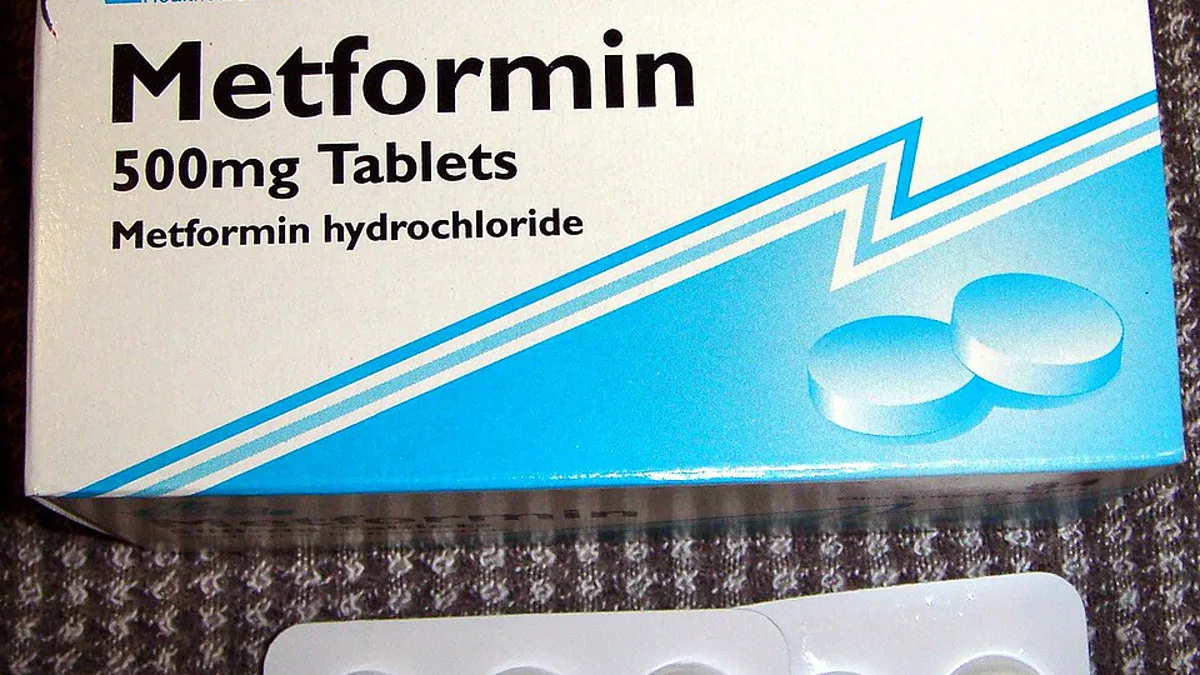
A UK clinical trial launched this week will test two existing medicines, the diabetes drug metformin and the ADHD drug atomoxetine, on people with Alzheimer's disease.
The big picture: AD-SMART is a multi-arm, multi-stage platform trial: several treatments run simultaneously against a single placebo group, so participants have a higher chance of getting an active drug than in a traditional study. A treatment showing little benefit can be dropped quickly and replaced.
- An international panel of experts selected the two starting drugs because both may reduce brain inflammation, a driver of neurodegeneration.
What they're saying: "For too long, Alzheimer's research has moved at the pace of one drug, one trial, one answer: sometimes taking a decade or more before we know if we've found something that works," said chief investigator Prof Paresh Malhotra of Imperial College London.
By the numbers: The study will recruit 1,200 participants with mild to moderate Alzheimer's at more than 30 UK sites. Cambridgeshire, Surrey, London, Southampton and Edinburgh are already open, and researchers expect to finish evaluating the first two drugs in 2030.
Zoom in: Angela Bucksey, 67, from Cambridgeshire was diagnosed in January and is the first person to begin treatment on the trial. Her husband Steve is her study partner.
- "We have Alzheimer's in the family. My mother had it and my aunts, so it was a disappointment rather than a shock," she told the BBC. She said joining felt empowering because "at least you are doing something".
What's next: Additional treatments are likely to be added while the trial runs. Every participant gets regular health checks including cognitive tests, and success means measurable gains in thinking and the ability to carry out everyday activities.
Why it matters: Alzheimer's affects around 600,000 people in the UK, and the platform design is the same one that sped up cancer research. People with a confirmed diagnosis can register their interest on the AD-SMART trial website.