The Supreme Court agreed on Monday to decide whether the federal ban on distilling spirits inside a home is constitutional.
Zoom in: The order list for Monday, October 19, 2026 carries a single line on docket 26-204, Department of Justice v Scott McNutt, granting the petition for a writ of certiorari.
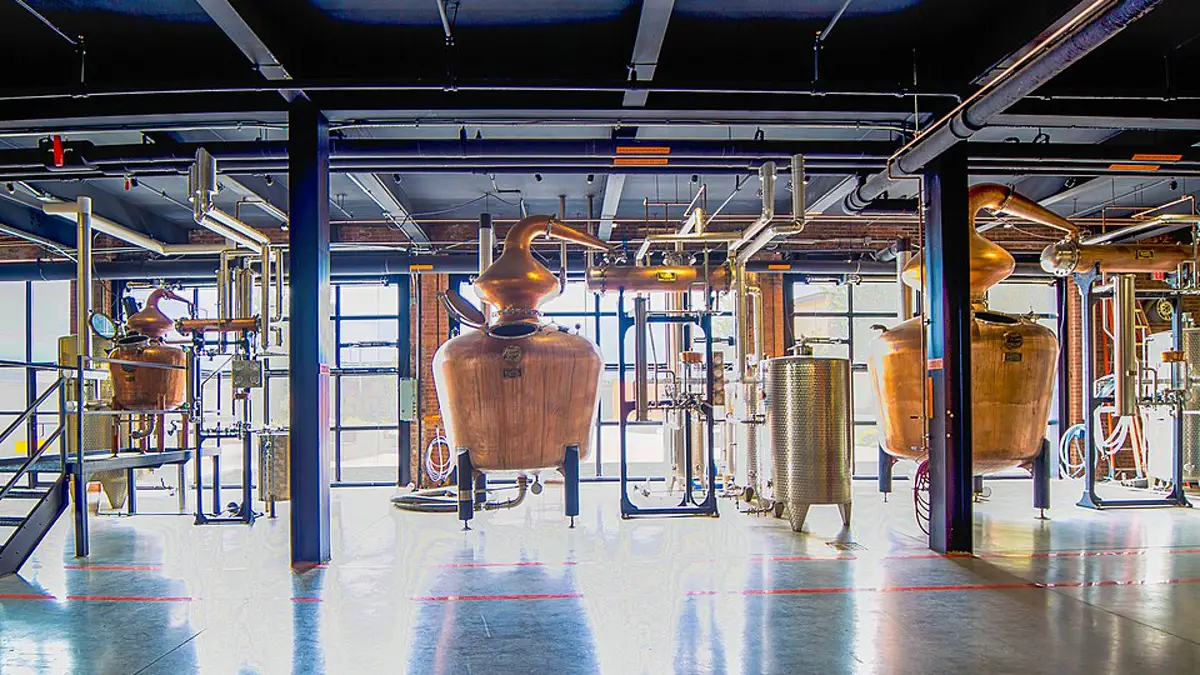
The backstory: Federal law first enacted in the 1860s makes it a felony to produce distilled spirits in any dwelling house or in a connected shed, yard or inclosure. The Fifth Circuit ruled in April that the ban overreaches Congress's taxing power, and the Justice Department asked the justices to step in.
- Home brewing beer and making wine are legal. Making whiskey or vodka in the same kitchen can carry up to five years in prison, a $10,000 fine, or both.
Between the lines: Two appeals courts agreed that the taxing power on its own fails to authorize the ban. They split over whether it survives as a permissible way to collect liquor taxes under the Constitution's Necessary and Proper Clause, which is the question the justices took.
The big picture: The same order list granted review in docket 26-12, Association for Educational Fairness v Montgomery County Board of Education, limited to whether a plaintiff challenging a facially neutral admissions policy as racially discriminatory must show an aggregate disparate impact relative to the group's share of the applicant pool.
What's next: Argument is expected next year, with a decision by late June or early July.
Why it matters: A ruling for McNutt would turn a felony into a hobby for anyone who already brews at home, and it would set a limit on how far Congress can reach under the Necessary and Proper Clause when the stated goal is protecting tax revenue. That limit would apply well past liquor.