Qatari mediators have spent the past 72 hours shuttling to Tehran and hosting an Iranian delegation to prevent a new round of US strikes after Tuesday's midterm elections.
The big picture: The US and Israel are planning for possible strikes on Iran once the midterms pass, NPR reports from Bahrain, and Gulf capitals say they have no read on what happens next.
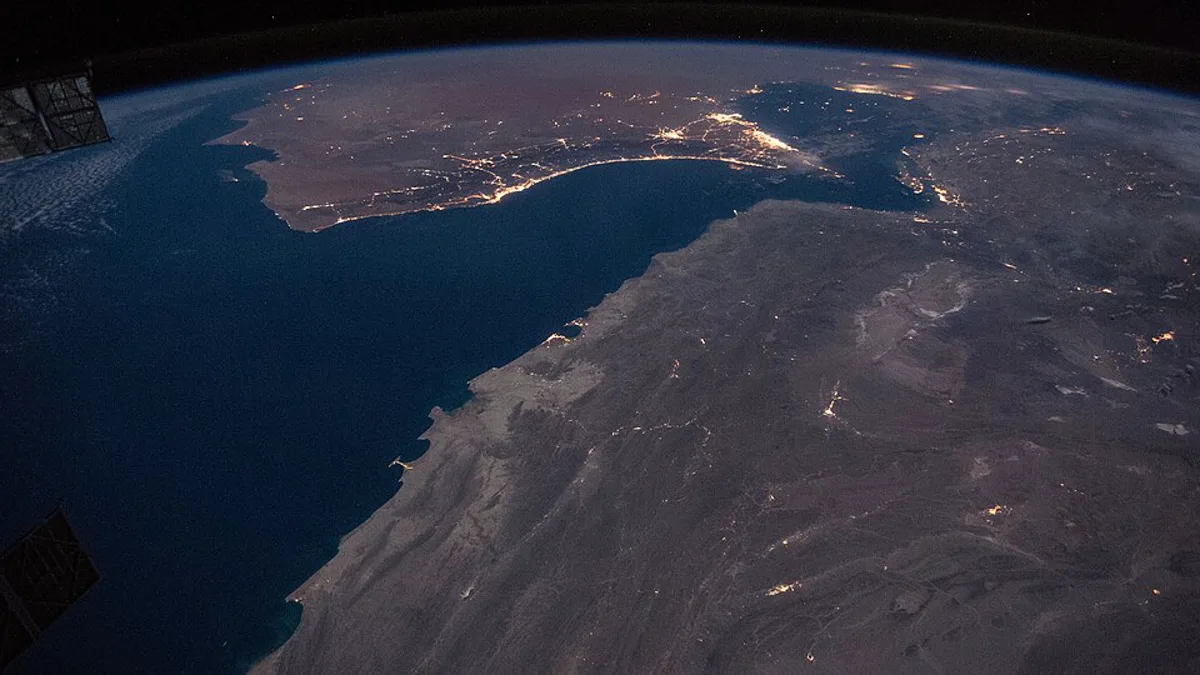
- Iran's foreign minister, Abbas Araghchi, told Iranian state media there is still no definitive conclusion, but that a two-day plan is on the table: Iran would hold off on attacking ships in the Strait of Hormuz to let direct talks with Washington resume.
What they're saying: Supreme leader Mojtaba Khamenei told commanders of Iran's armed forces this weekend that any threat to the country must draw an immediate response that is, in his words, without geographical limitations.
- Asked at a Halloween party at Mar-a-Lago about restarting the war, President Trump said: "We've knocked out almost every piece of military equipment there. We still have to take care of, I would say, one or two sites, but we can do that in 10 minutes."
By the numbers: Brent crude trades 60% higher than before the war began on February 28, after Iran closed the Strait of Hormuz. Personnel at the US Navy 5th Fleet's logistics hub in Bahrain have dropped from 8,000 before the war to fewer than 100, with charred warehouses visible from the highway.
The other side: Gulf states that welcome US pressure on Iran are lobbying against more strikes. Senior Emirati diplomat Anwar Gargash said at the Manama Dialogue that military solutions will only complicate an already complicated scene and will not produce a quick off-ramp.
- Bahrain's foreign minister, Abdullatif Al Zayani, said Iran's Revolutionary Guard threatened this month to cut the undersea internet cables that carry Gulf data through the strait, calling it the same pattern already seen at sea.
Why it matters: Eight months of this war has lifted oil 60% and emptied a US naval hub, and the decision on whether strikes resume after Tuesday sets fuel and shipping costs well beyond the Gulf.