A magnitude 7 earthquake struck northern Tibet on Thursday night, killing at least 16 people, injuring 54 and collapsing hundreds of homes around the city of Nagqu.
By the numbers: The US Geological Survey put the epicenter 191km (119 miles) east-northeast of Nagqu at a depth of 18km, and recorded at least seven aftershocks between magnitude 4.3 and 5.2.
- At least 339 homes and 20 livestock sheds came down, the Nagqu media office said, citing city government officials.
Zoom in: More than 1,600 people from the local county were deployed for rescue work, joined by over 300 police officers and roughly 350 regional fire and rescue personnel, Xinhua reported.
- Relief supplies reaching the area include 1,000 prefabricated housing units, about 3,000 tents and folding beds, torches and winter clothing.
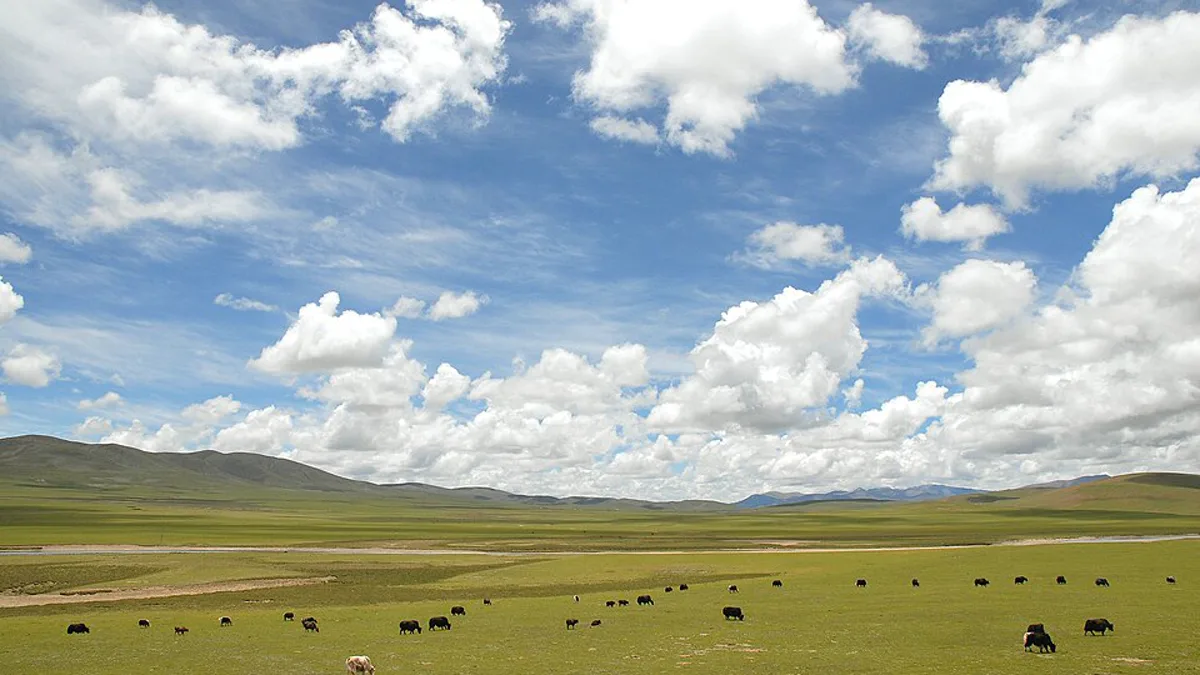
The big picture: Nagqu sits more than 300km north of Lhasa on a high-altitude plateau where most buildings are low-rise. CCTV footage showed workers running out of restaurants and goods falling off supermarket shelves.
Yes, but: Communications are down in some areas and rockfalls forced authorities to close a section of national highway 317 to all traffic except emergency and rescue vehicles. Intermittent snow is forecast for the next three days.
The backstory: Earthquakes are common across western China. A January 2025 quake in Tibet's Tingri county killed at least 126 people, and a 2023 quake in Gansu province killed at least 134.
Why it matters: Chinese leader Xi Jinping called for all-out rescue and medical relief, and the USGS assigned the quake an orange alert, its second-highest level for expected casualties and damage.