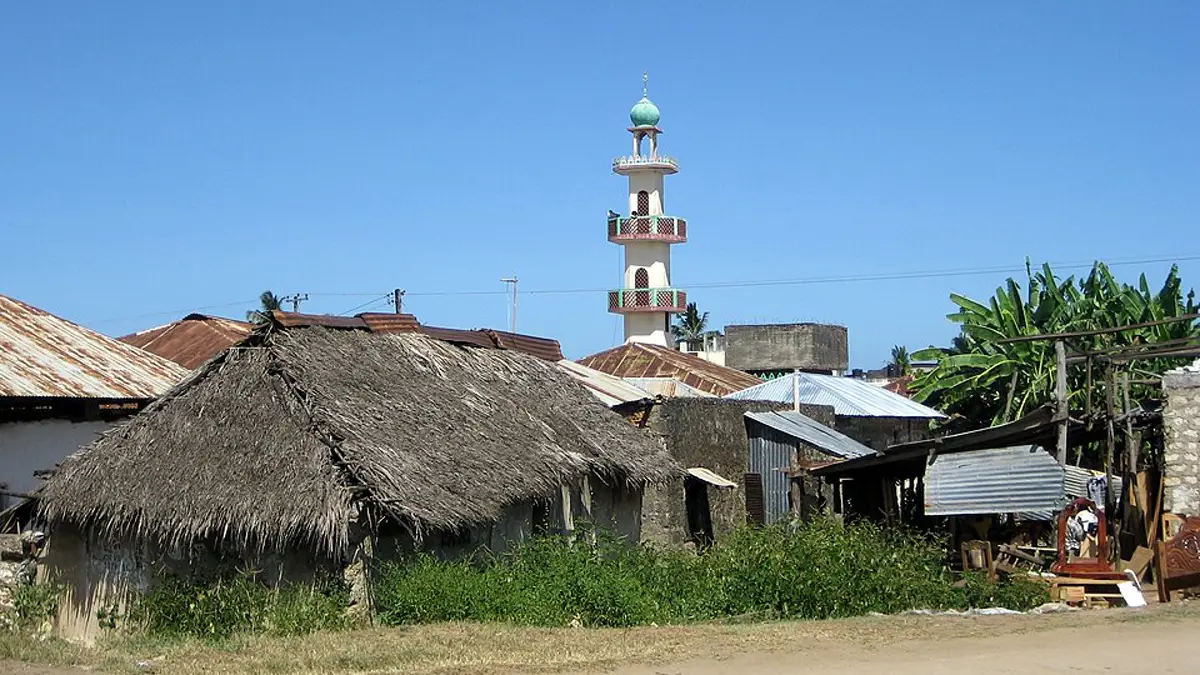
A Mombasa court found Paul Mackenzie, leader of a Kenyan doomsday cult, guilty of murdering 191 people, all but one of them children.
Zoom in: Delivering an eight-hour judgement in the port city of Mombasa, Justice Diana Mochache said Mackenzie's followers believed he was "Jesus's mouthpiece". His doctrine held that education was forbidden and modern medicine was "evil".
- One co-accused said Mackenzie told followers that anyone who "resisted the directive to fast must be forced to go to heaven through kicks and blows".
- Burials in the forest were called "weddings", and those who died "were celebrated as having wedded with Jesus", the judge said.
The backstory: Mackenzie founded Good News International Ministries in 2003 and grew it across Kenya over 16 years, broadcasting his sermons on his own station, Times TV. Police arrested him in 2023 after more than 400 bodies were dug out of shallow graves in Shakahola forest near the coast.
By the numbers: 28 other cult leaders were convicted of murder. All had pleaded not guilty and insisted that every death was voluntary. Seventeen men from a nearby town were hired to exhume the graves, some for $8 a day.
- "Every grave we found had at least three bodies," James, one of the gravediggers, told the BBC. "Some of the remains were of children as young as a few weeks old."
What they're saying: Stephen Mwiti, 48, said he lost all six of his children to the cult and that his former wife was among those convicted. "I'm a happy man, that all persons have been convicted," he told the BBC outside court.
What's next: Sentencing is set for 6 November. Mackenzie and other cult leaders still face a raft of separate cases covering terrorism, radicalisation and denying children an education.
Why it matters: This is the first murder verdict in Kenya's largest mass-death case, and the court grounded it in organisation: religious teaching plus an enforced hierarchy produced a fasting regime that killed. That reasoning now sits in Kenyan case law for the next preacher who tries it.