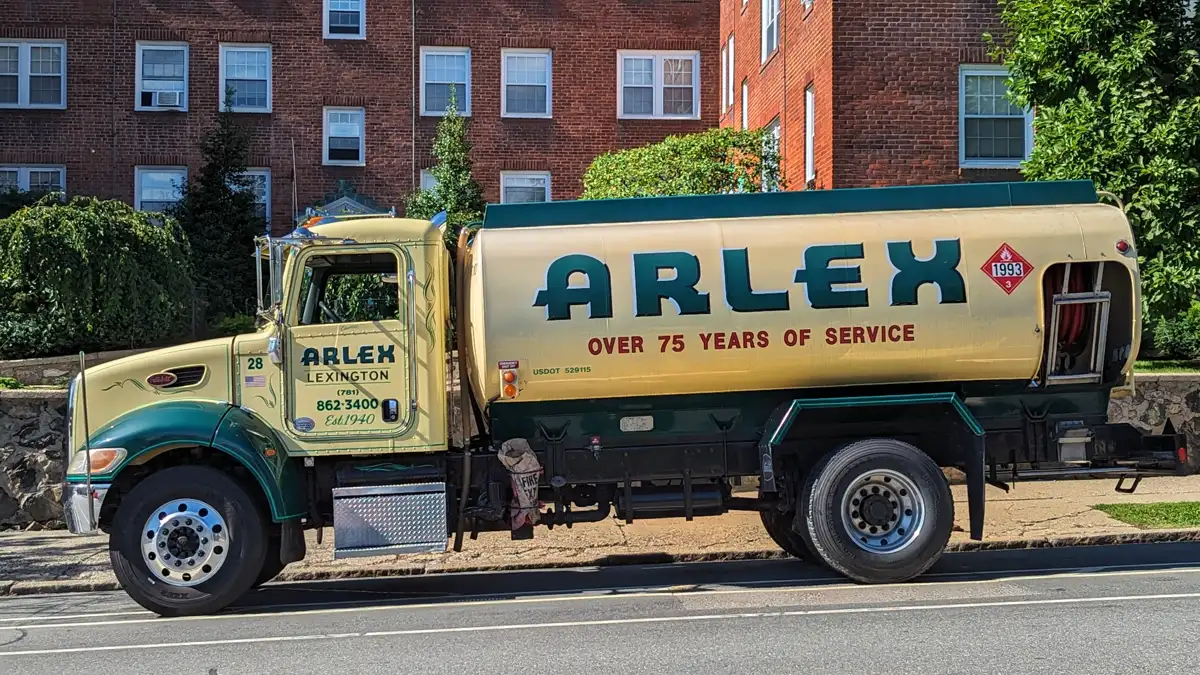
Homes that heat with oil will spend 21% more this winter, while the roughly half of US households on natural gas or propane will spend less, the Energy Information Administration forecasts.
By the numbers: Heating oil prices run more than 30% above last winter, yet the EIA expects total heating oil spending to rise 21%, with a milder Northeast winter absorbing the difference.
- Those households are about 3% of the US total and sit mostly in the Northeast.
The other side: Natural gas and propane heat roughly half of US homes, and the EIA expects those households to spend less on average than last winter. Homes heated mainly by electricity pay slightly more.
Zoom in: The agency assumes temperatures close to both last winter and the previous 10 winter average. It models 3,150 heating degree days, 3% fewer than the 10 year norm.
The big picture: Diesel is the pressure point behind the heating oil number. East Coast distillate inventories sat 32% below their five year seasonal average in September, and retail diesel averaged $6.29 a gallon that month against $4.35 for gasoline.
What's next: EIA forecasts Brent crude at $105 a barrel in the fourth quarter, $14 higher than last month's estimate, then $84 next year. It sees retail diesel easing to about $4.50 a gallon in 2027 and gasoline to just under $3.60.
Why it matters: Heating oil arrives in a few large deliveries, so a Northeast household absorbs the whole increase in one or two bills rather than spreading it over a season. Pricing a fill now, before the first sustained cold snap, is the main lever those homes have.