Daily Brief: October 1, 2026
A 10-minute jog lifts the brain, diet and speech reveal new health signals, AI skills divide workers, oil tops $100, and US growth beats its earlier estimate.
1% Better EditorialToday’s brief connects small personal moves with much larger shifts in health, work, and money.
Health & Science
A gentle 10-minute jog may sharpen mood and attention
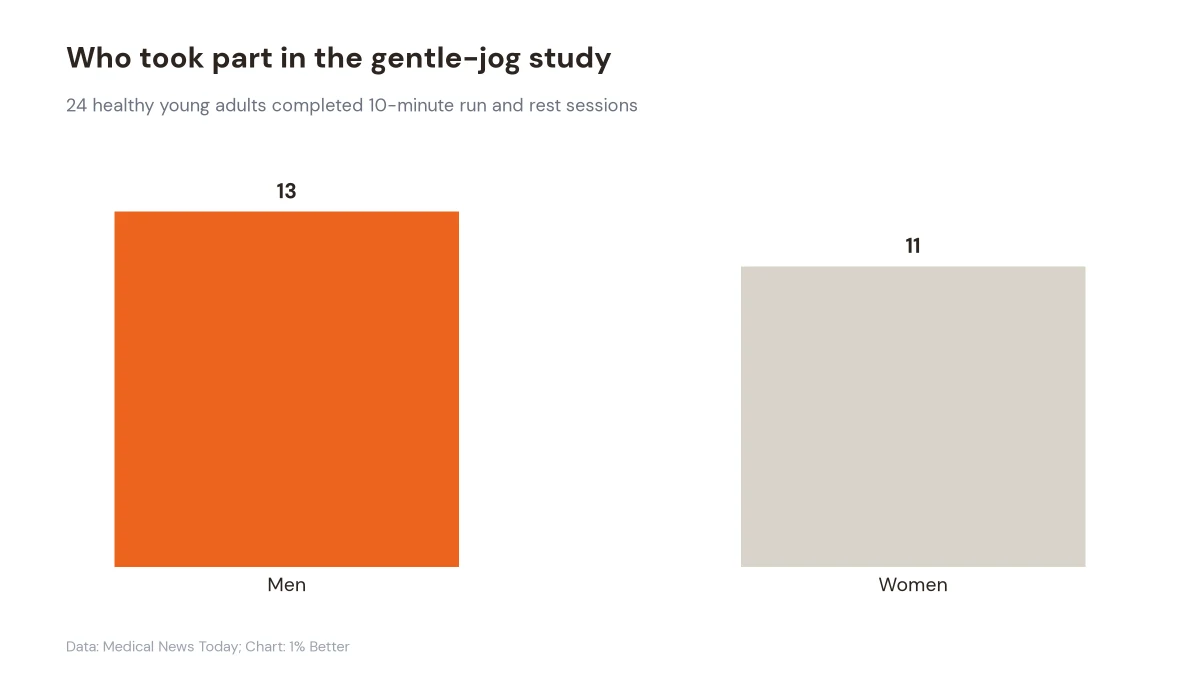
A small study found that 10 minutes of very slow running improved mood and executive-function test performance in healthy young adults.
Why it matters: The dose was short and barely raised heart rate, making the finding practical for people who struggle to fit formal exercise into a busy day. The study included 24 people, so larger trials must test how broadly the effect holds.
Self-Improvement
Cutting ultra-processed food showed early mental-health promise
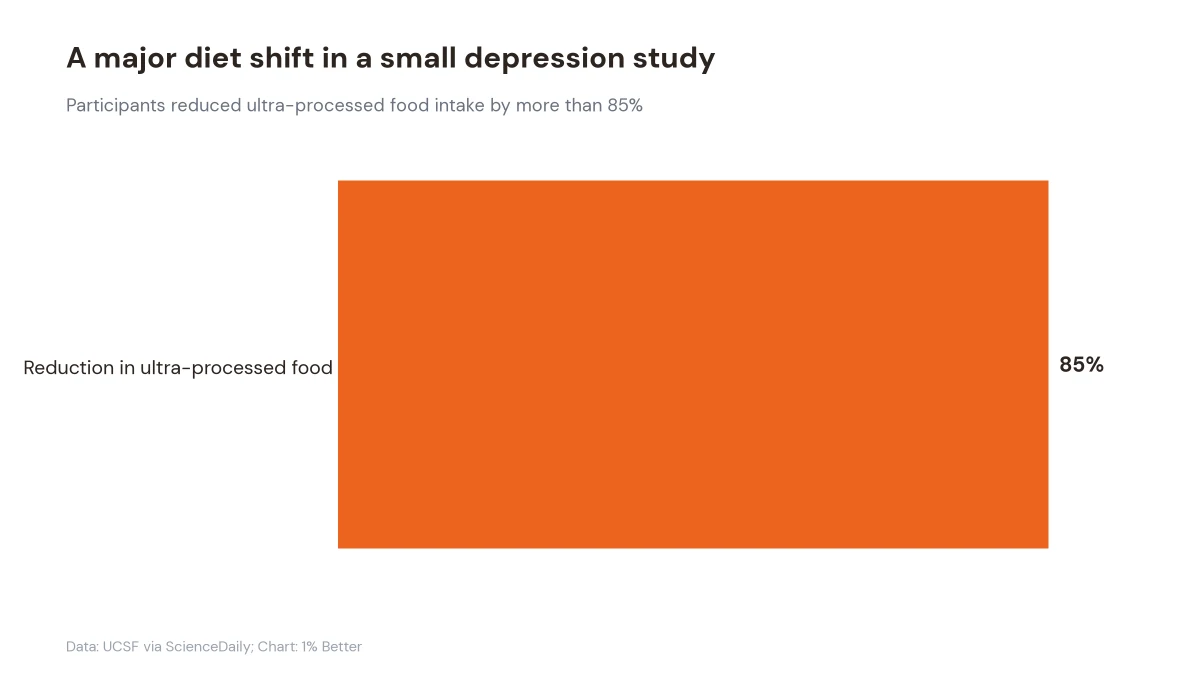
Twenty adults with depression cut ultra-processed food intake by more than 85% and improved across three depression measures in a pilot study.
Why it matters: The results point to diet quality as a possible complement to established mental-health care. The sample was small and preliminary, which makes the planned larger trial the key test of whether the benefits persist and generalize.
Health & Science
A speech clock opens a low-cost window into brain aging
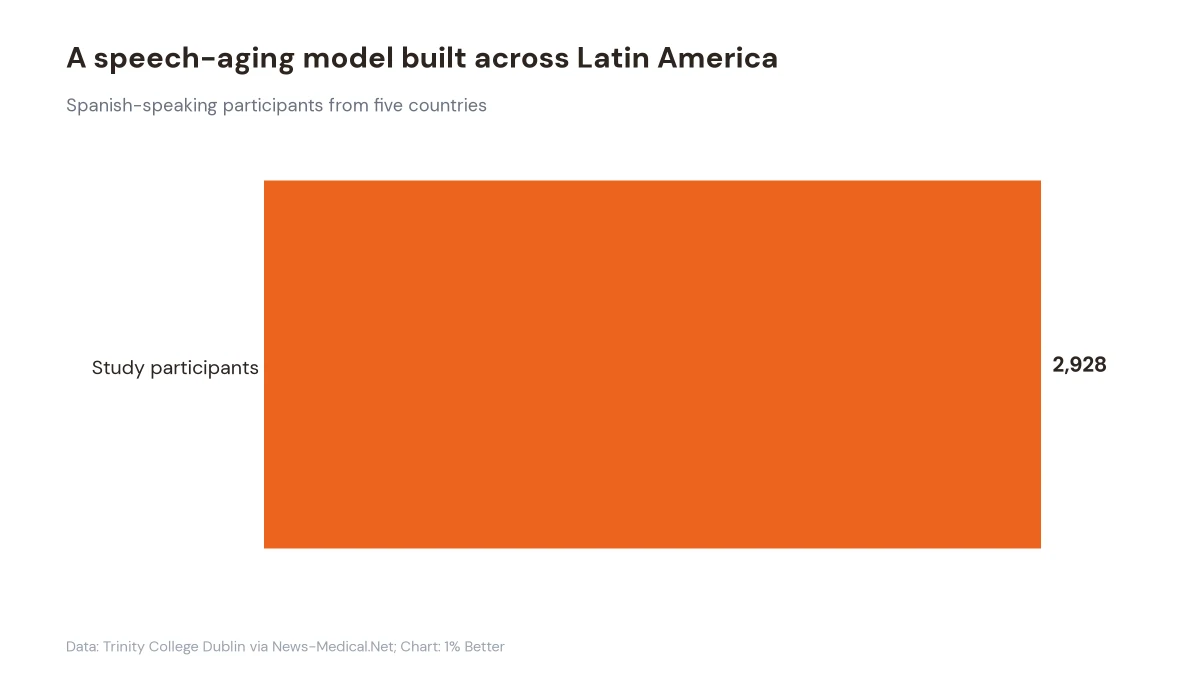
Researchers used speech from 2,928 Spanish speakers across five countries to estimate age and detect signals tied to cognition, biology, and dementia.
Why it matters: Voice recordings are cheap, remote, and repeatable compared with scans or molecular tests. The model remains a research tool, yet its scale suggests everyday speech could eventually help widen access to aging assessments.
Health & Science
Engineered honeybee silk could make wound dressings smarter
A biodegradable honeybee-silk film proved safe and well tolerated in wound-healing tests, clearing a path toward dressings that sense infection or release drugs.
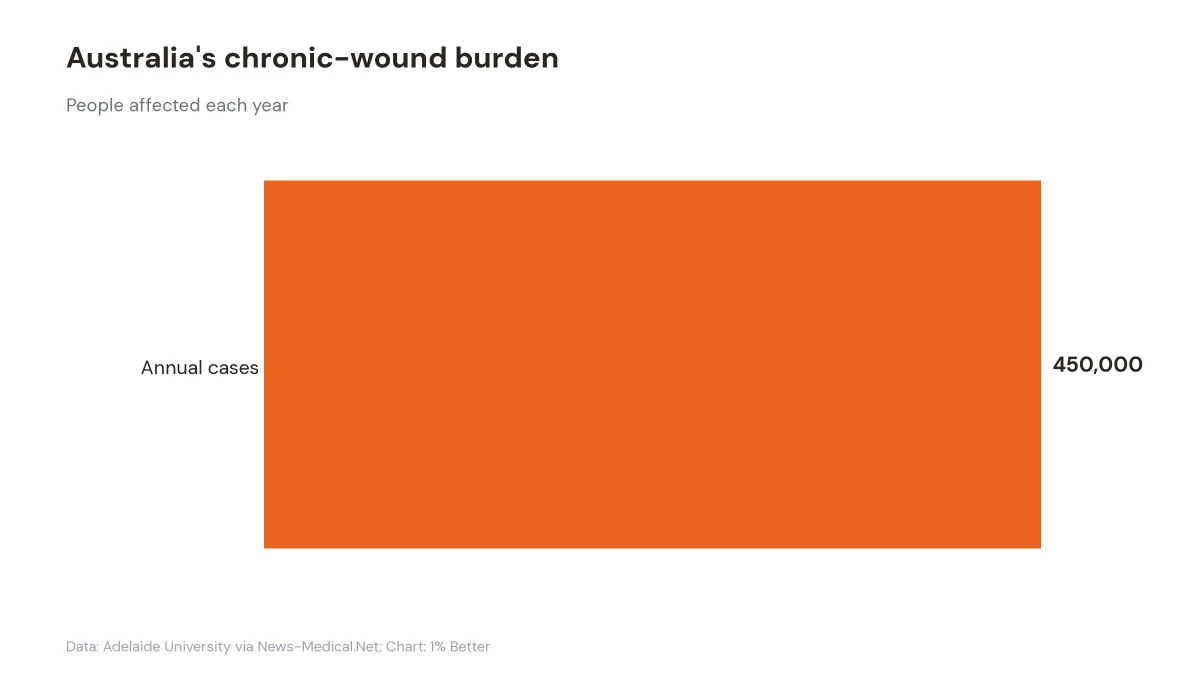
Why it matters: Chronic wounds affect about 450,000 Australians each year and cost the health system more than $6 billion. A dressing that responds to a wound and breaks down as tissue heals could reduce repeat procedures and specialist visits.
Productivity
AI skills are splitting the workforce into fast and slow lanes
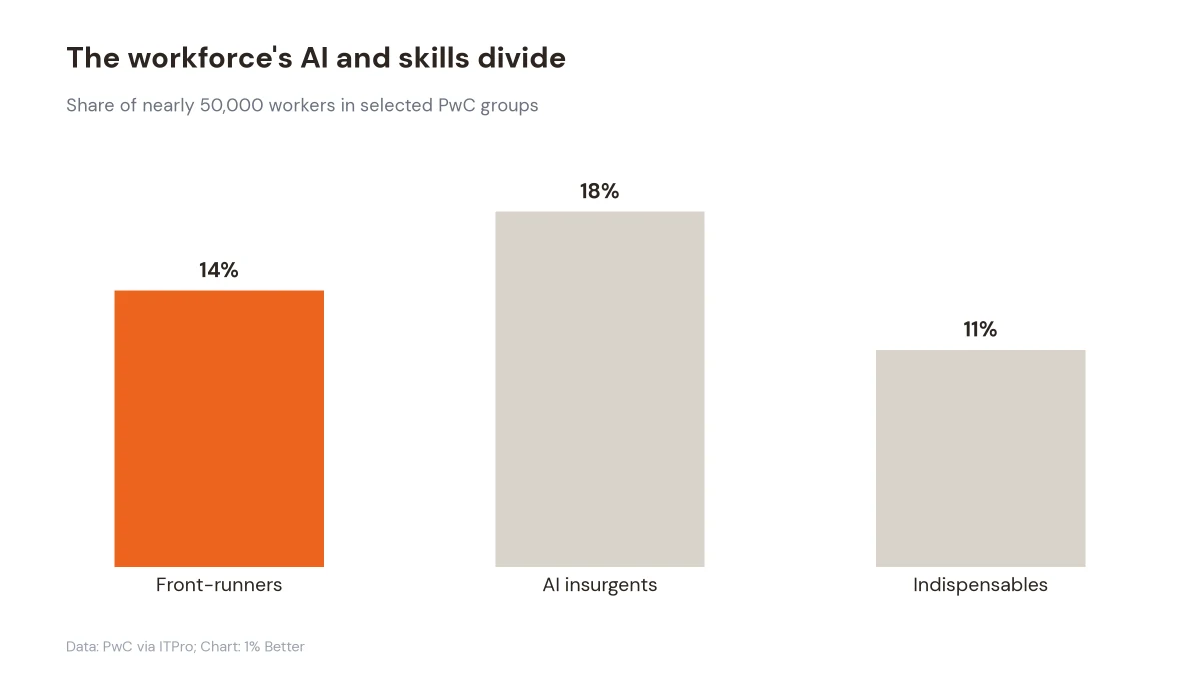
PwC’s survey of nearly 50,000 workers found that employees with scarce skills and strong AI ability are pulling ahead of the workforce majority.
Why it matters: Only two in five workers in the broad engine-room group said they had the learning resources they needed. Employers that spread training beyond elite roles can turn individual AI gains into wider organizational capacity.
Business & Money
Oil crosses $100 as bond yields squeeze markets
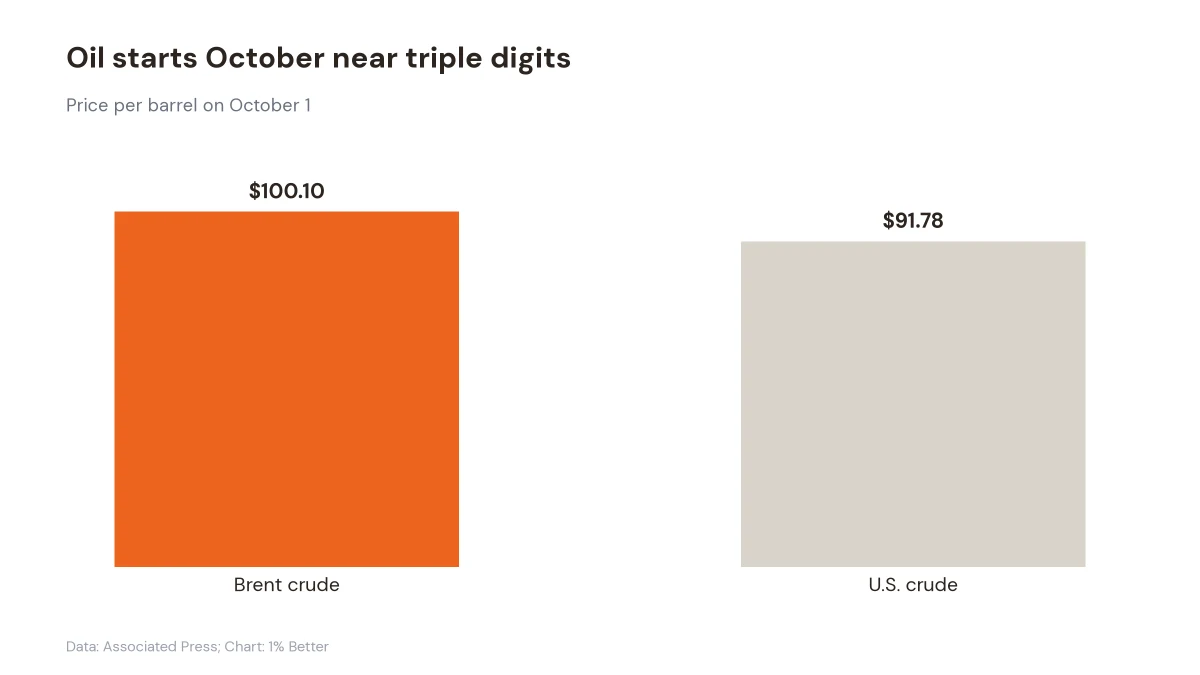
Brent crude rose 2.1% to $100.10 a barrel while the 10-year Treasury yield reached 5.3%, raising the cost pressure on households and businesses.
Why it matters: Higher energy prices feed inflation, while higher bond yields lift borrowing costs and reduce the value investors place on future earnings. That combination can tighten budgets even when headline economic growth stays firm.
Business & Money
US economic growth gets a surprise upgrade
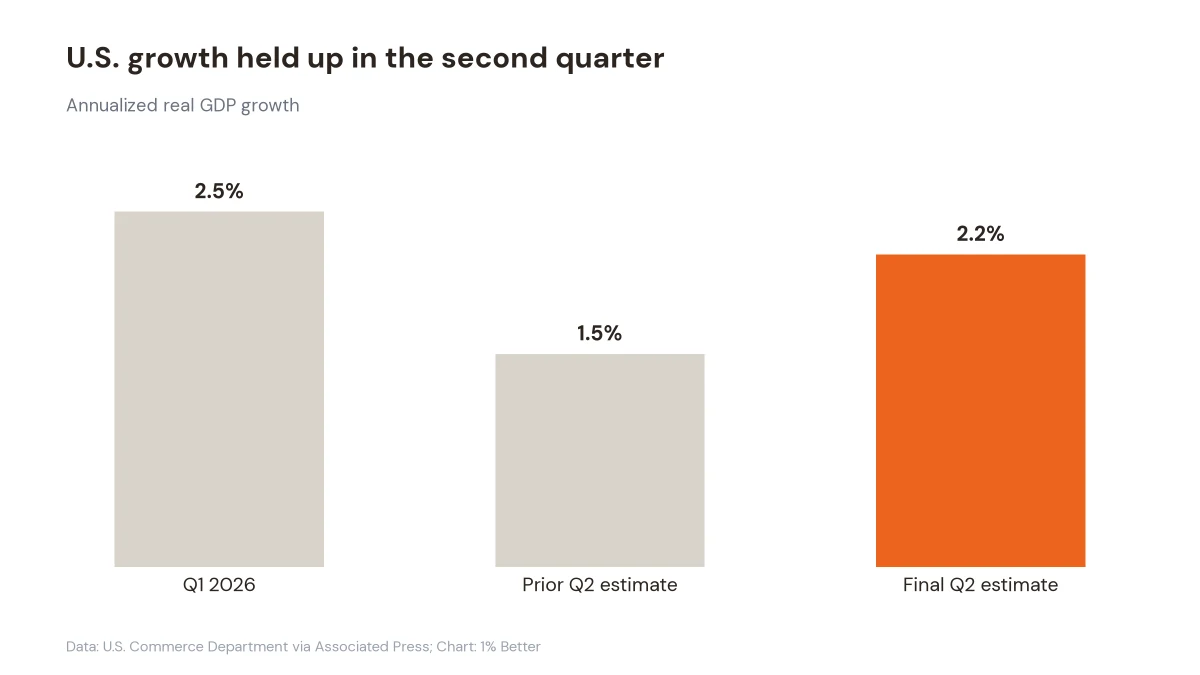
The US economy expanded at a 2.2% annual pace in the second quarter, up from the government’s earlier 1.5% estimate as spending and investment strengthened.
Why it matters: Consumer spending grew 3.8% and business investment excluding housing rose 9%, showing real momentum beneath the headline. The expansion is increasingly tied to AI investment and stock-market wealth, making those engines important to watch.
Business & Money
Consumers feel secure at work as savings cushions shrink
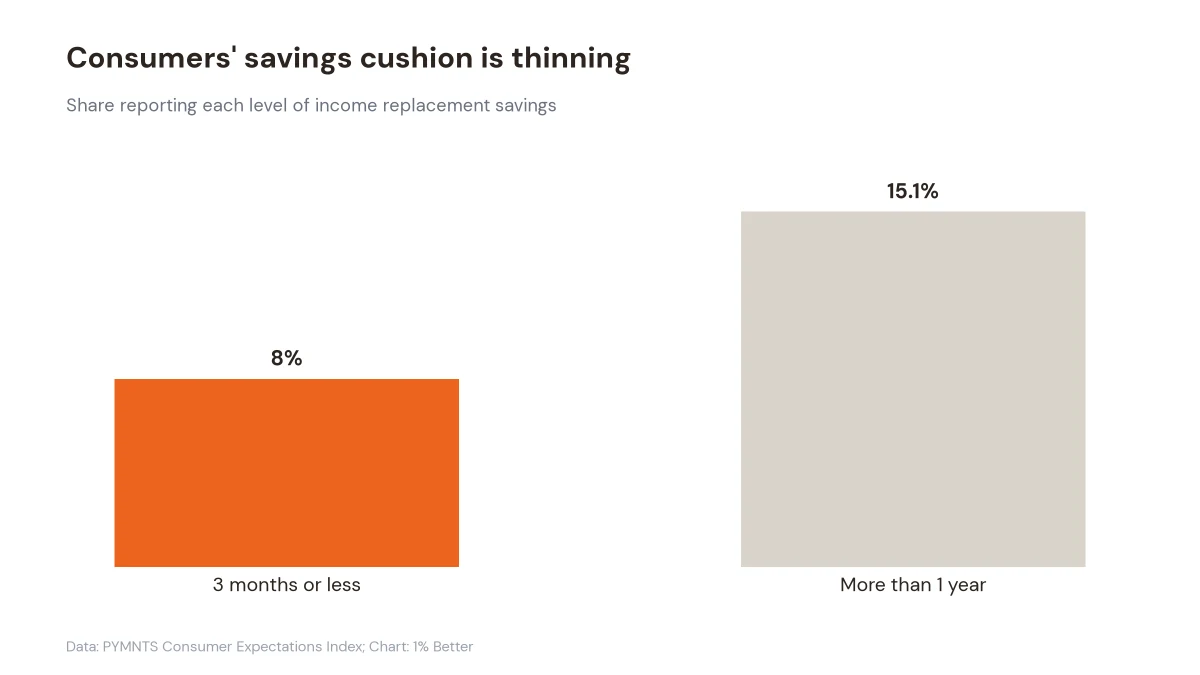
US consumer confidence slipped to 54.1 as more households reported limited savings, even while confidence in current job security stayed firm.
Why it matters: Eight percent said savings could replace income for three months or less, while the share with more than a year of savings fell to a 12-month low of 15.1%. Stable employment can mask rising vulnerability to an unexpected expense or job change.