Daily Brief: September 30, 2026
Oil and bond yields squeeze markets, consumer confidence hits a 12-year low, and new research points to practical gains from puzzles, screen choices, and awe walks.
1% Better EditorialToday’s brief tracks the pressure on wallets and markets, the race to turn AI into a useful coworker, and fresh evidence on small choices that may support health and resilience.
Business & Money
Oil nears $100 as high yields squeeze markets
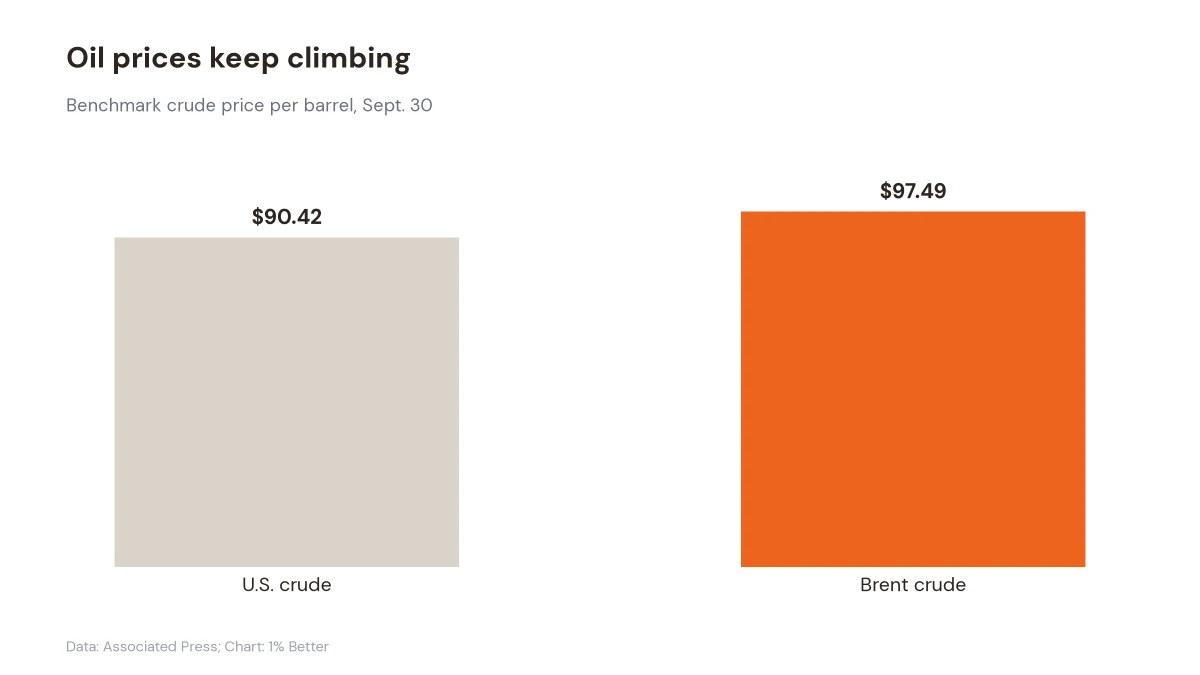
Brent crude rose to $97.49 a barrel as elevated oil prices and Treasury yields pushed US stock futures lower.
Why it matters: Higher energy costs can feed inflation while expensive borrowing presses on household budgets, business investment, mortgages, and stock valuations.
Business & Money
Consumer confidence falls to a 12-year low
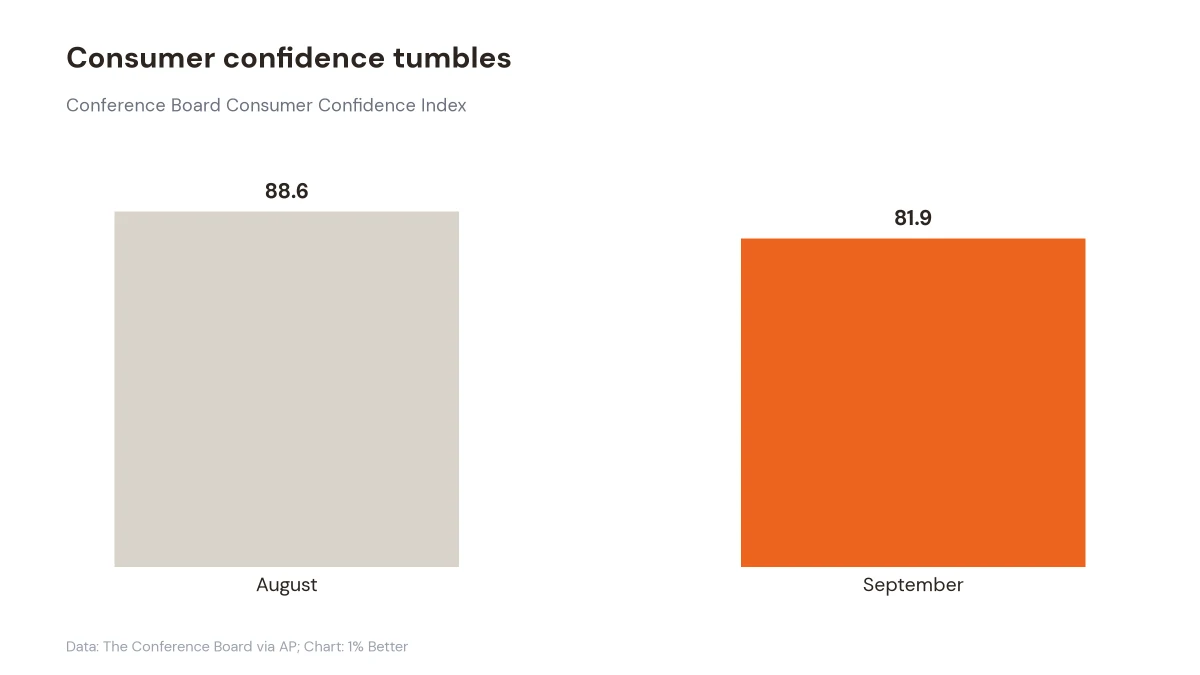
The Conference Board’s confidence index sank 6.7 points to 81.9 in September, its lowest reading since April 2014.
Why it matters: Confidence shapes willingness to spend, save, hire, and invest, so a third straight monthly decline signals more caution even while the labor market remains solid.
Productivity
Meta brings its Muse AI agent to small businesses

Meta launched Muse for Small Business with connections to tools including Shopify, QuickBooks, Slack, Stripe, Canva, and Zoom.
Why it matters: A connected agent can analyze sales, campaigns, books, and customer activity across the tools owners already use. Meta says publishing, sending, and spending still require the owner’s approval.
Health & Science
Blood markers flag lung cancer risk years earlier
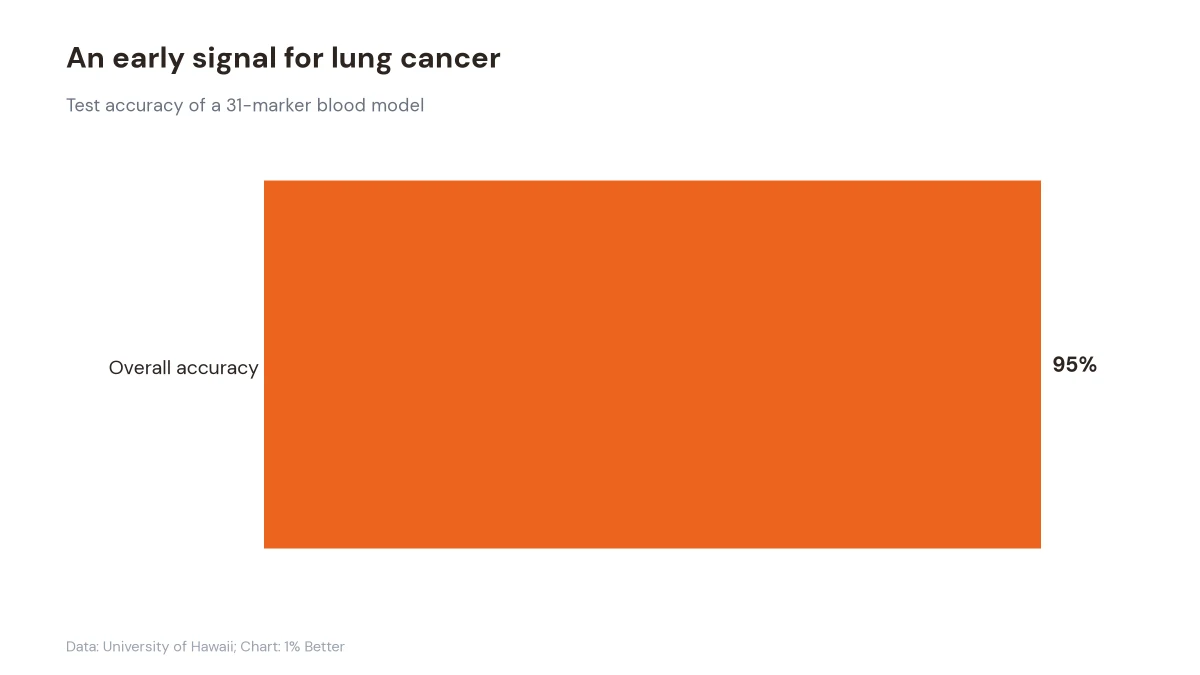
University of Hawaii researchers identified 31 blood RNA markers tied to lung cancer risk five to 10 years before diagnosis.
Why it matters: The model reached 95% accuracy in testing and could eventually help identify high-risk people while disease is still clinically hidden. The team is pursuing patent protection as the work advances.
Self-Improvement
Simple brain habits helped reverse cognitive impairment
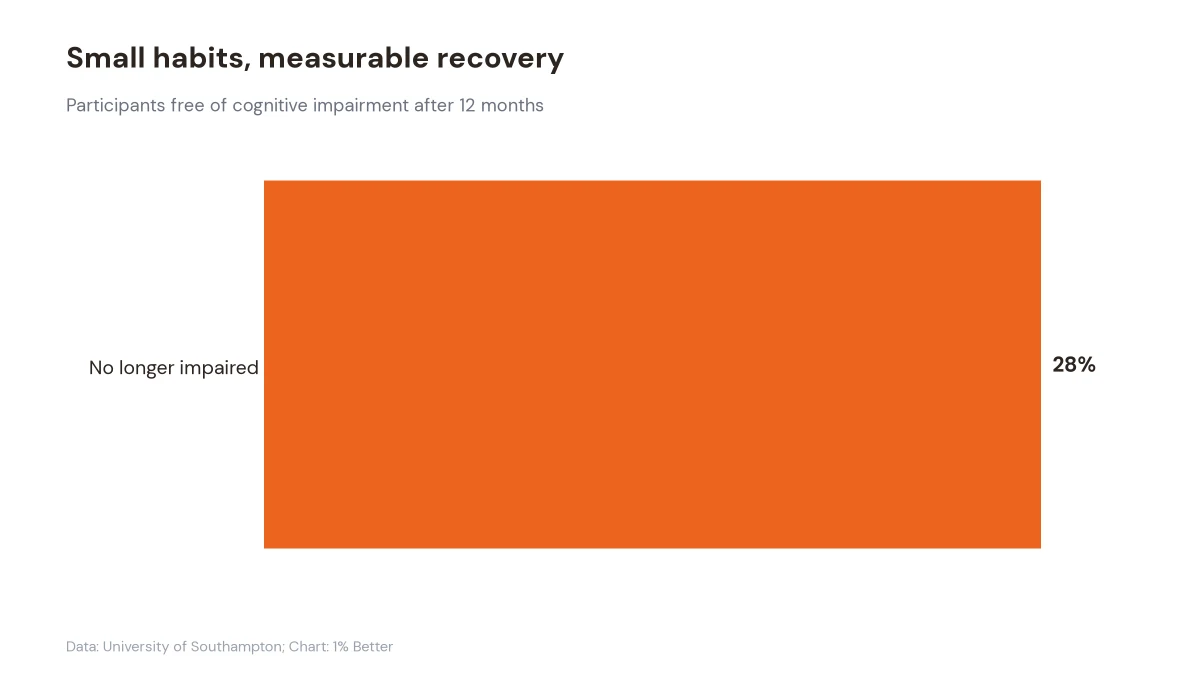
In a trial of more than 11,500 older adults, 28% were free of cognitive impairment after 12 months of brief lifestyle guidance.
Why it matters: Puzzles, learning, social activity, exercise, and healthy eating offer a low-cost path to support an aging brain. Added web tools and facilitator contact produced further gains versus brief advice alone.
Self-Improvement
What older adults do on screens may matter more than time
A study of 8,996 older adults linked television viewing with poorer cognition and computer use with better performance.
Why it matters: The findings shift the screen-time question from total minutes toward the mental demands of the activity. The results are associations, so they support smarter choices and further trials rather than a causal prescription.
Productivity
Night owls face a higher risk of early work exit
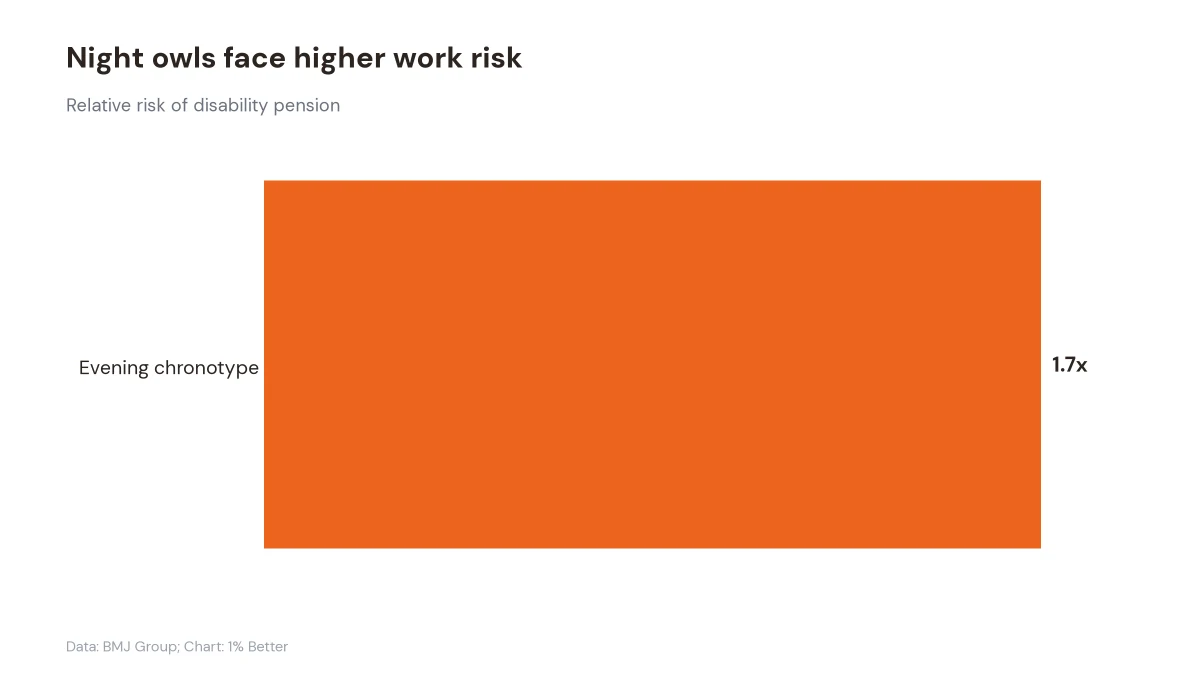
Evening chronotypes had a 1.7-fold higher risk of receiving a disability pension than morning types in a 12-year follow-up.
Why it matters: Work schedules that better fit biological timing could help some people sustain healthier careers. Because the study was observational, it identifies a useful workplace signal while leaving causation open.
Health & Science
A 15-minute awe walk lifts emotional well-being
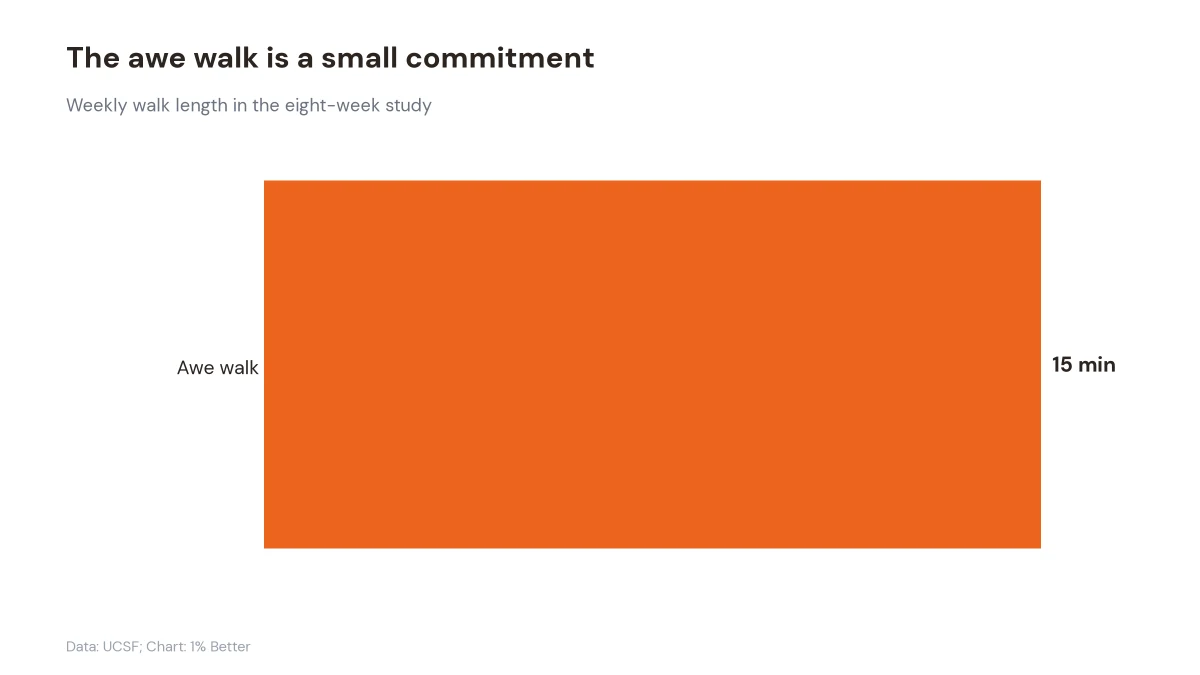
Older adults who took a weekly 15-minute awe walk for eight weeks reported more compassion, gratitude, and positive emotion.
Why it matters: The intervention is short, free, and easy to repeat: slow down, notice something vast, and place attention on the surroundings. The study offers a practical way to widen perspective and ease daily distress.