Daily Brief: September 28, 2026
A body clock clue for stroke recovery, durable CRISPR results, a major Copilot redesign, hidden AI workload, smarter exercise timing, and rising borrowing costs.
1% Better EditorialToday’s signal: timing, meaning, and implementation matter as much as the tool itself, whether the tool is a gene editor, an AI agent, a workout, or a loan.
Health & Science
Resetting the body clock improved stroke recovery in mice
Strengthening circadian rhythms helped mice recover after stroke, even when treatment started three days after the event.
Why it matters: The interventions improved movement, reduced lesion size, increased brain waste clearance, and lowered inflammatory signals. The animal findings put sleep timing and circadian therapies on the research map for longer term stroke rehabilitation.
Health & Science
A single CRISPR dose cut harmful blood fats for a full year
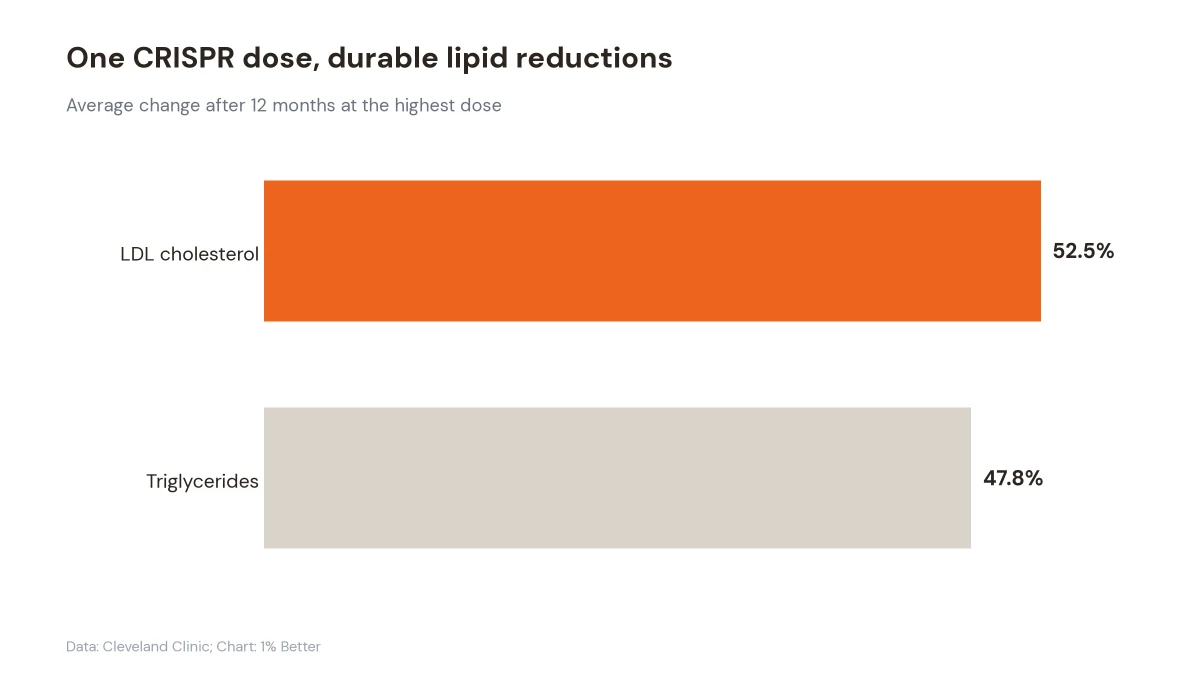
One infusion lowered LDL cholesterol by 52.5% and triglycerides by 47.8% after 12 months at the highest tested dose.
Why it matters: A one time treatment could eventually replace repeated dosing for some hard to treat lipid disorders. The result comes from only 15 patients in a Phase 1 trial, so larger studies and long term safety tracking will determine its reach.
Productivity
Microsoft rebuilt Copilot around asking, delegating, and building

Microsoft introduced Copilot Home, Code, and Autopilot as three connected ways to chat, create software, and run persistent work.
Why it matters: The product is shifting from a chat assistant toward a work operating layer that can edit Office files, build internal tools, and carry projects forward. Home and Code begin rolling out through Frontier, while Autopilot expands in private preview.
Productivity
AI adoption is creating a layer of invisible work
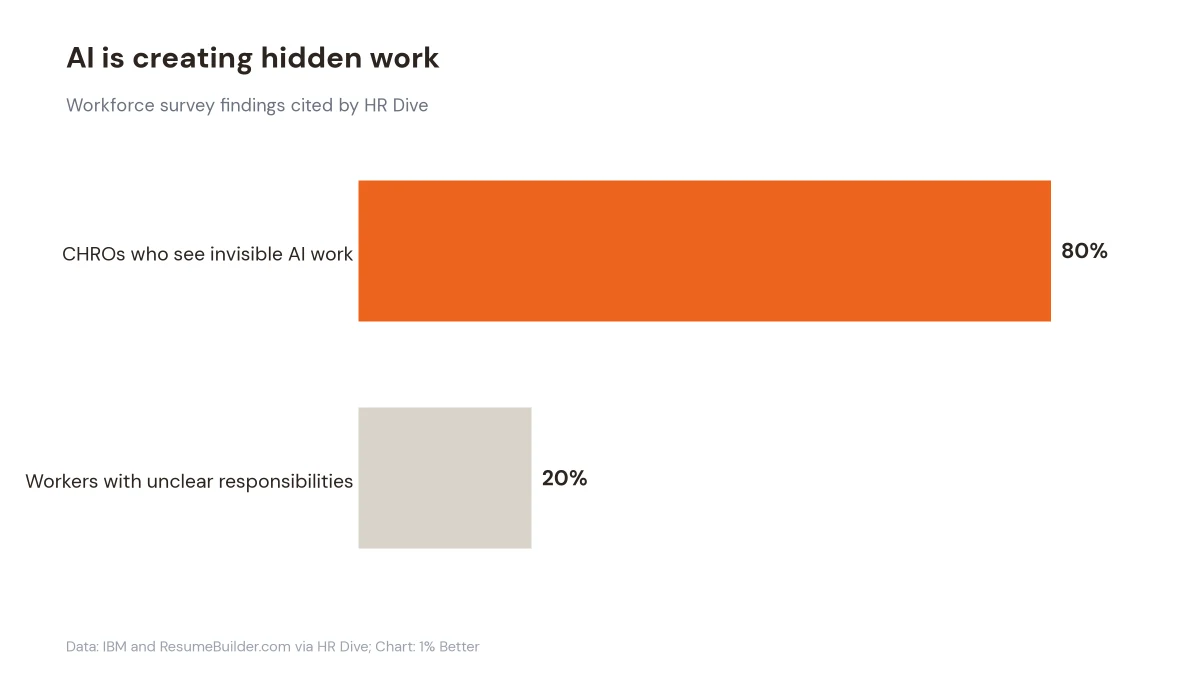
Eighty percent of surveyed HR chiefs said AI adoption creates invisible work, while 20% of workers reported unclear daily responsibilities.
Why it matters: Automation can shift labor into checking, correcting, coordinating, and explaining outputs that dashboards miss. Leaders need to measure the full workflow and clarify ownership before counting an AI rollout as a productivity gain.
Self-Improvement
The best time to exercise is the time you can sustain
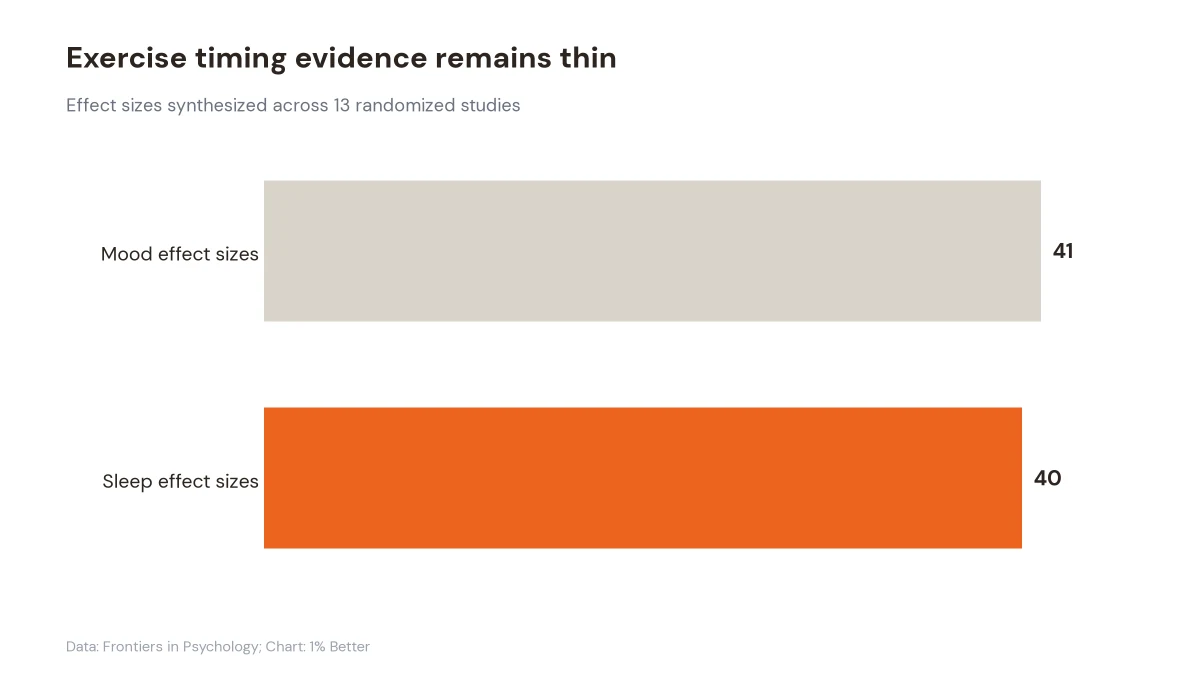
A meta analysis found exercise may improve sleep, while morning, afternoon, and evening workouts showed no stable winner.
Why it matters: The review combined 13 randomized studies and 81 effect sizes, then found timing differences weakened under robust analysis. Consistency and fit with your routine deserve priority over chasing a universal perfect hour.
Self-Improvement
Small signs of significance can lift motivation

Across four studies, children and adults preferred creative tasks when their finished work would be saved rather than shredded.
Why it matters: Motivation rose when participants believed their own creation would endure, even through a small gesture such as placing it in a box. Giving work a visible destination or audience can make ordinary tasks feel more meaningful.
Business & Money
Oil climbed as global markets opened the week cautiously
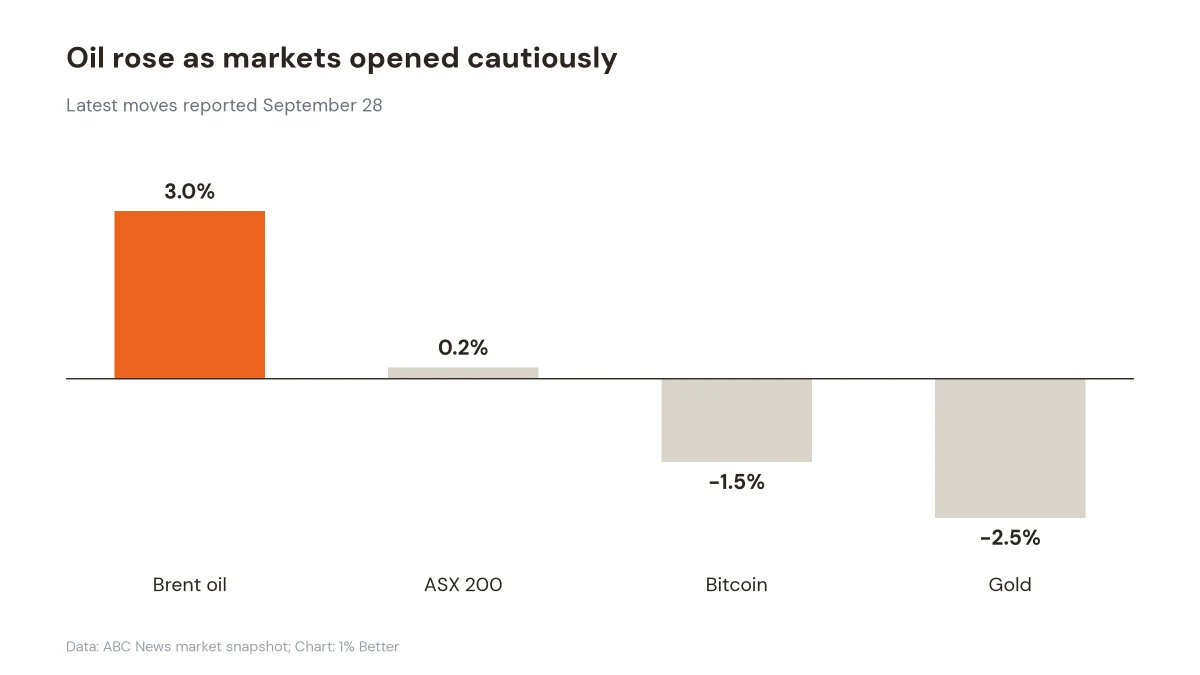
Brent crude rose 3.0% to $107.48 a barrel as the ASX gained 0.2%, while gold fell 2.5% and Bitcoin slipped 1.5%.
Why it matters: Higher energy prices can feed inflation and keep bond yields elevated, raising costs across transport, goods, and financing. The mixed session shows investors balancing firm economic data against geopolitical and rate pressure.
Business & Money
The 10-year Treasury yield is squeezing borrowers
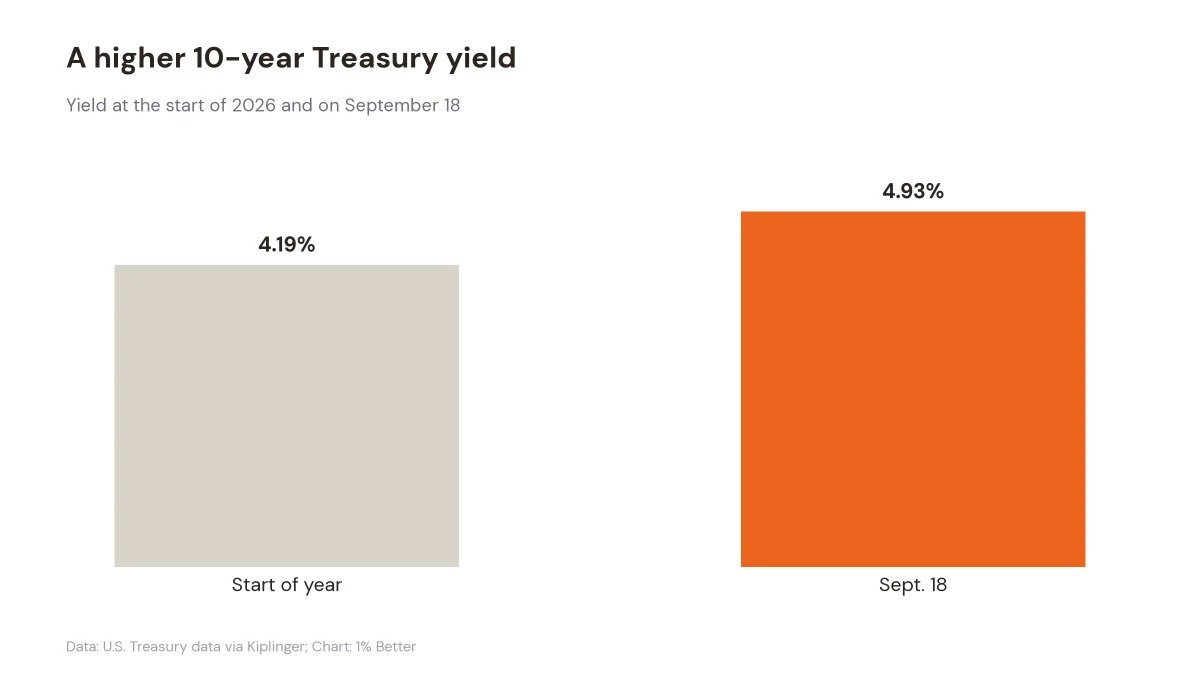
The benchmark yield reached 4.93% on September 18, up from 4.19% at the start of 2026, pressuring long term borrowing costs.
Why it matters: The average 30-year mortgage rate has climbed to 6.95% from 6.26% a year earlier. On a $400,000 loan, another quarter point would add about $67 a month, making rate shopping and budget math more valuable.