Daily Brief: September 27, 2026
Today: a possible target for age-related muscle weakness, caffeine's hidden sleep cost, emergency room crowding, study habits, meeting friction, health ads, and softer consumer confidence.
1% Better EditorialFresh research points to practical leverage in sleep, learning, workplace design, and health information, while a softer consumer outlook keeps money concerns in focus.
Health & Science
Aging muscles may be missing the nerve signal
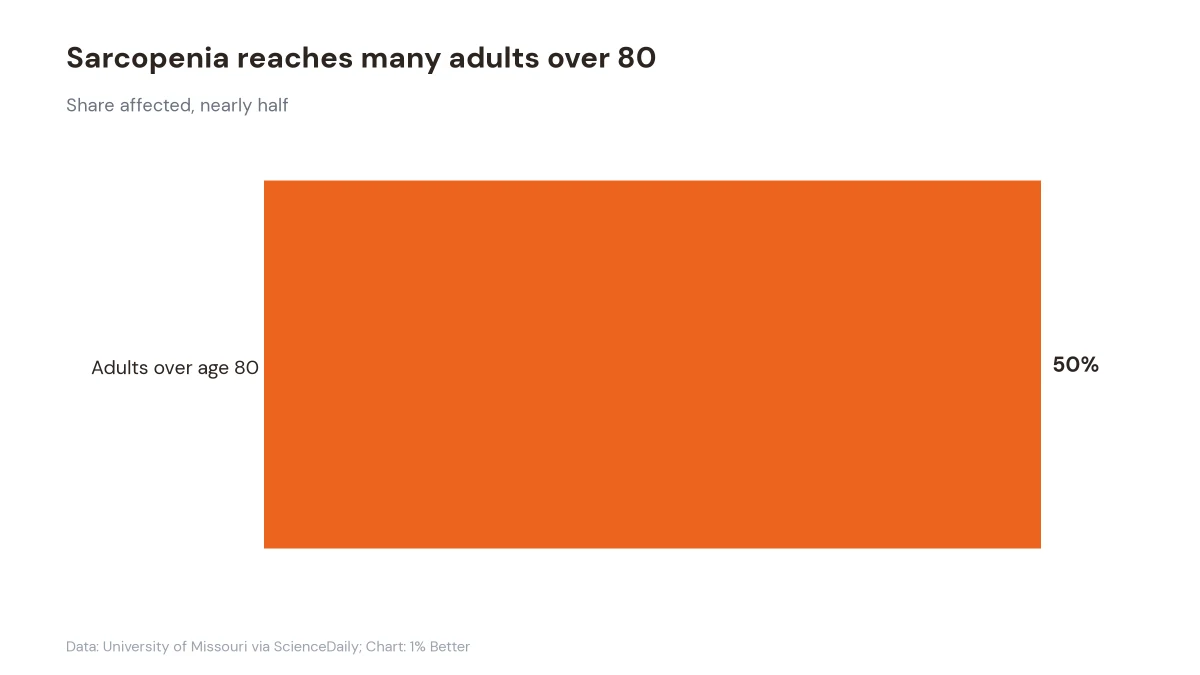
Researchers linked age-related muscle weakness to less reliable signaling where nerves meet muscle, then improved strength in an animal model.
Why it matters: The finding shifts attention from muscle mass alone to the neuromuscular junction, opening a possible treatment path for sarcopenia. Researchers partially inhibited the ClC-1 protein to make aging muscles more responsive to nerve signals.
Self-Improvement
Coffee can quietly thin out deep sleep
Caffeine may reduce slow-wave brain activity even when a person falls asleep normally and spends eight hours in bed.
Why it matters: Sleep duration can look normal while neurological recovery suffers. Because sensitivity varies with genetics, metabolism, age, stress, and fatigue, an earlier personal caffeine cutoff may improve next-day energy.
Health & Science
Emergency room crowding carries a measurable mortality cost
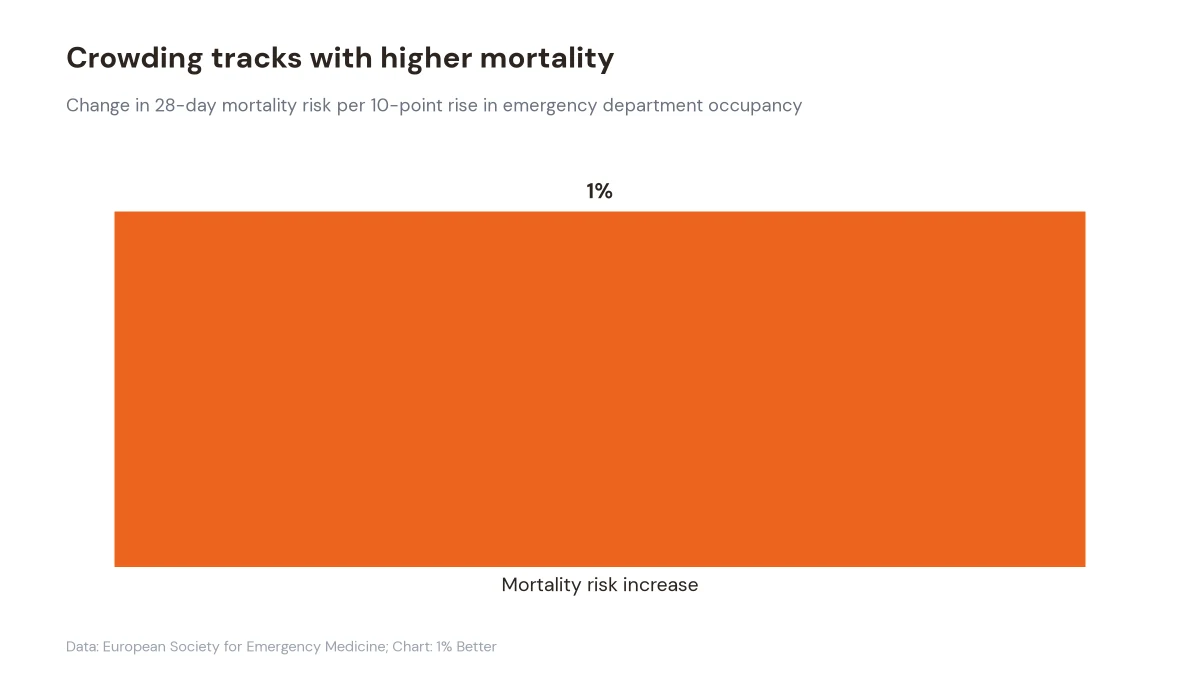
A study of 19,034 patients tied each 10% rise in emergency department occupancy to a 1% increase in 28-day mortality risk.
Why it matters: The 134 departments studied averaged 175% occupancy, putting numbers behind the danger of corridor care. Occupancy is also straightforward to track, giving hospital leaders a usable operational signal for intervention.
Self-Improvement
Four in 10 women's health posts on Instagram are selling something
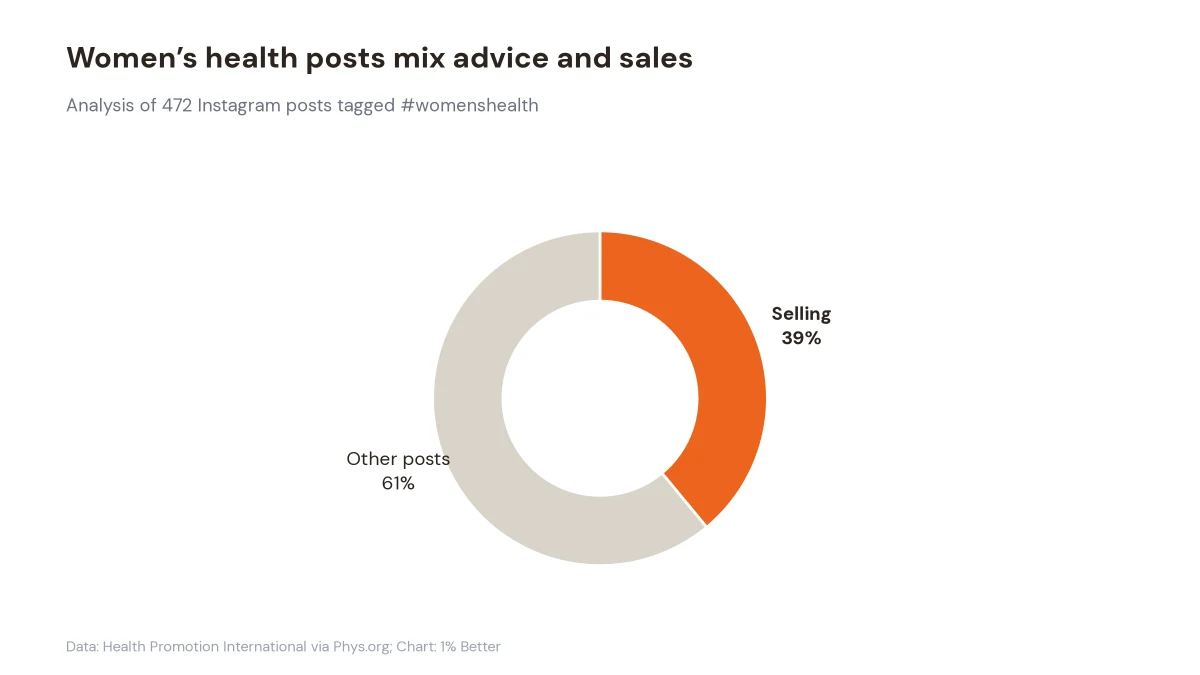
Researchers found 39% of sampled #womenshealth posts sold a product or service, while just 7% of posts cited scientific evidence.
Why it matters: Personal health advice can arrive wrapped around a commercial pitch. Check the creator's qualifications, financial interest, and evidence before changing tests, supplements, or treatment.
Productivity
Digital textbooks can lift students' drive to learn
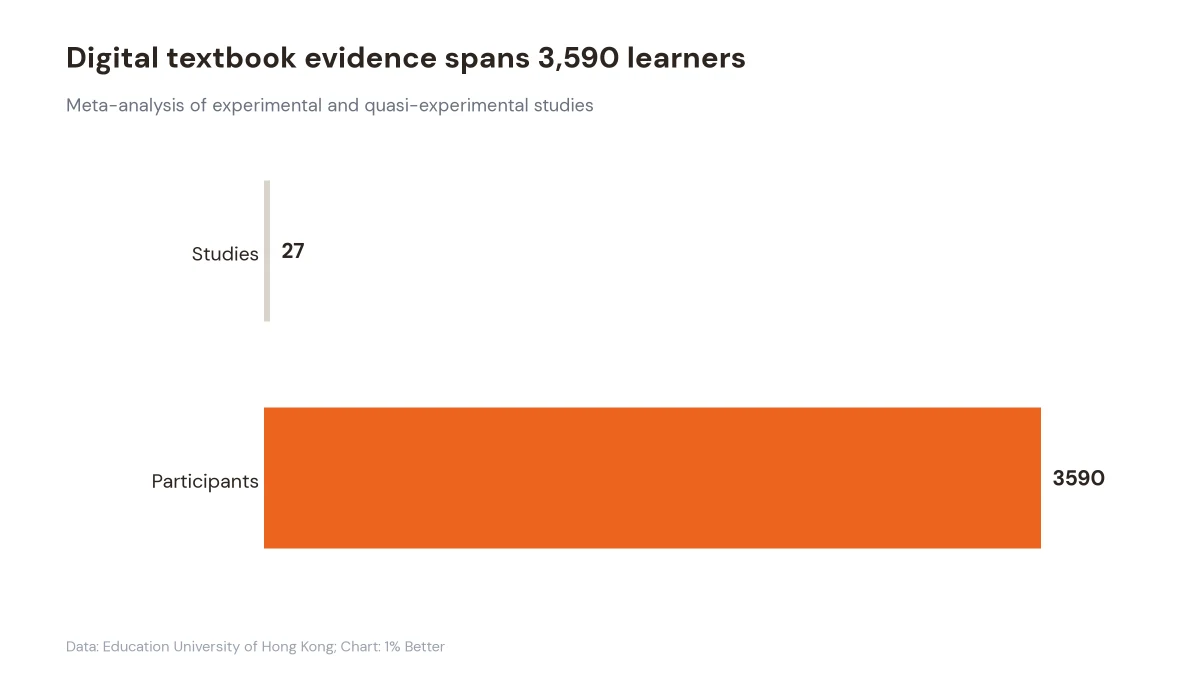
A meta-analysis of 27 studies and 3,590 learners found digital textbooks significantly increased intrinsic motivation versus paper books.
Why it matters: Interactive media, accessibility, and learner control can support autonomy and competence, especially for university students. Schools still need quality standards, teacher training, and equity safeguards to turn engagement into durable learning.
Productivity
Bad meeting tech burns 12 minutes at a time
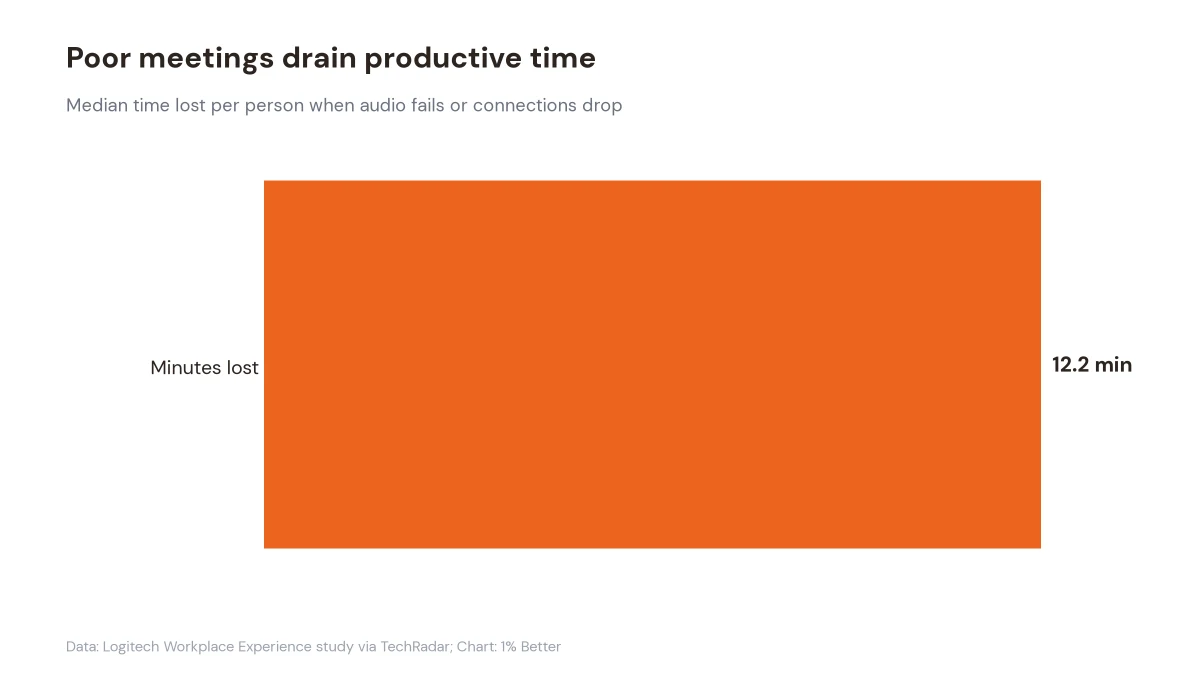
Failed audio and dropped connections cost a median 12.2 minutes per person in each poor meeting, according to Logitech research.
Why it matters: Small failures compound across teams and calendars. Bringing IT and audiovisual staff into space planning earlier can protect focus time and make workplace technology a productivity investment.
Self-Improvement
Study plans helped efficiency more than consistency
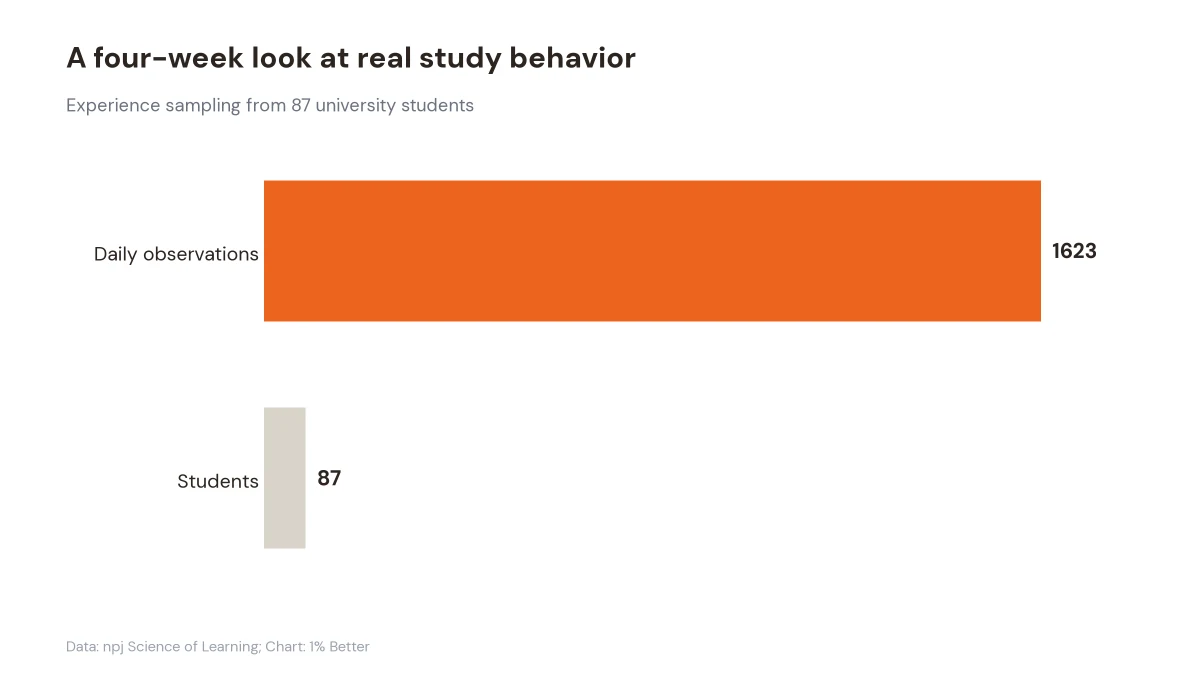
A four-week study found implementation intentions failed to increase spaced study, yet planners reported shorter sessions and better focus near exams.
Why it matters: A detailed plan may sharpen how students use time even when it fails to change study frequency. The trial also showed exam proximity drove longer sessions, more effort, and greater use of retrieval practice.
Business & Money
Consumer confidence slides as inflation anxiety rises
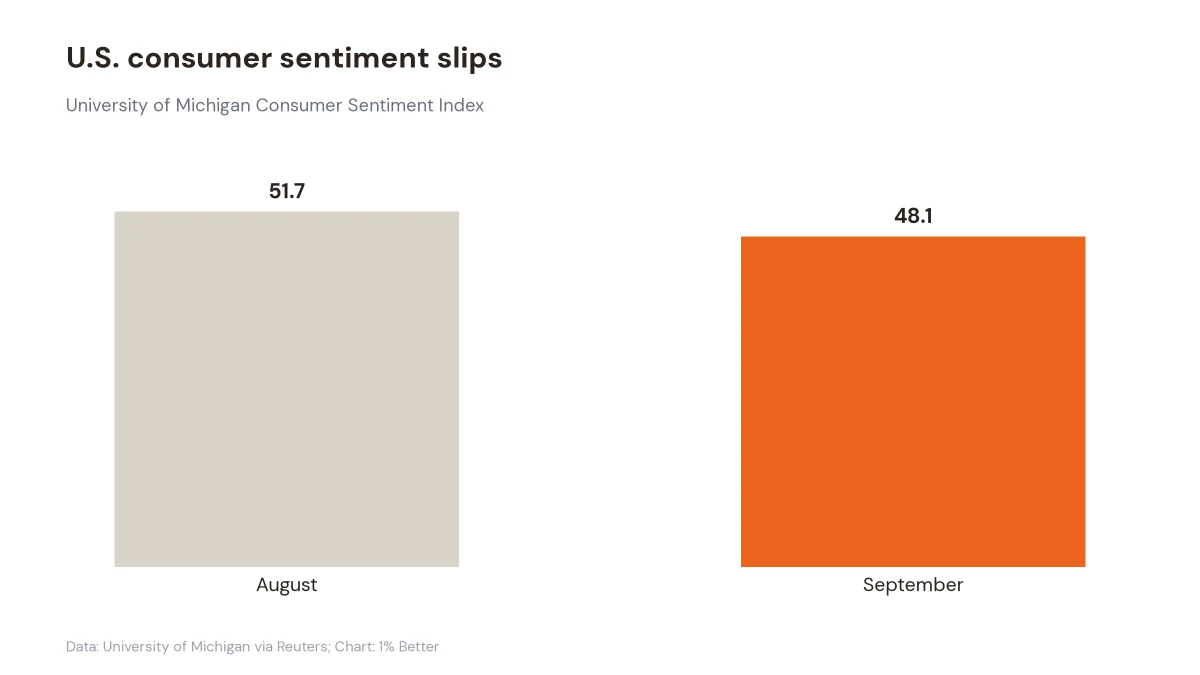
The University of Michigan's consumer sentiment index fell to 48.1 in September from 51.7 in August, a four-month low.
Why it matters: Households reported weaker views of current and future finances as price concerns climbed. Softer sentiment can cool discretionary spending, while higher inflation expectations keep pressure on interest rates and borrowing costs.