Daily Brief: September 26, 2026
Today: stress and brain aging, a tiny dose of awe, workplace AI pressure, meeting-tech drag, and the rising rates reshaping household budgets.
1% Better EditorialFresh research points to small, practical levers for health and motivation, while the economy is sending a louder message through workplace expectations and borrowing costs.
Health & Science
Chronic stress tracks with cognitive decline in a large aging study
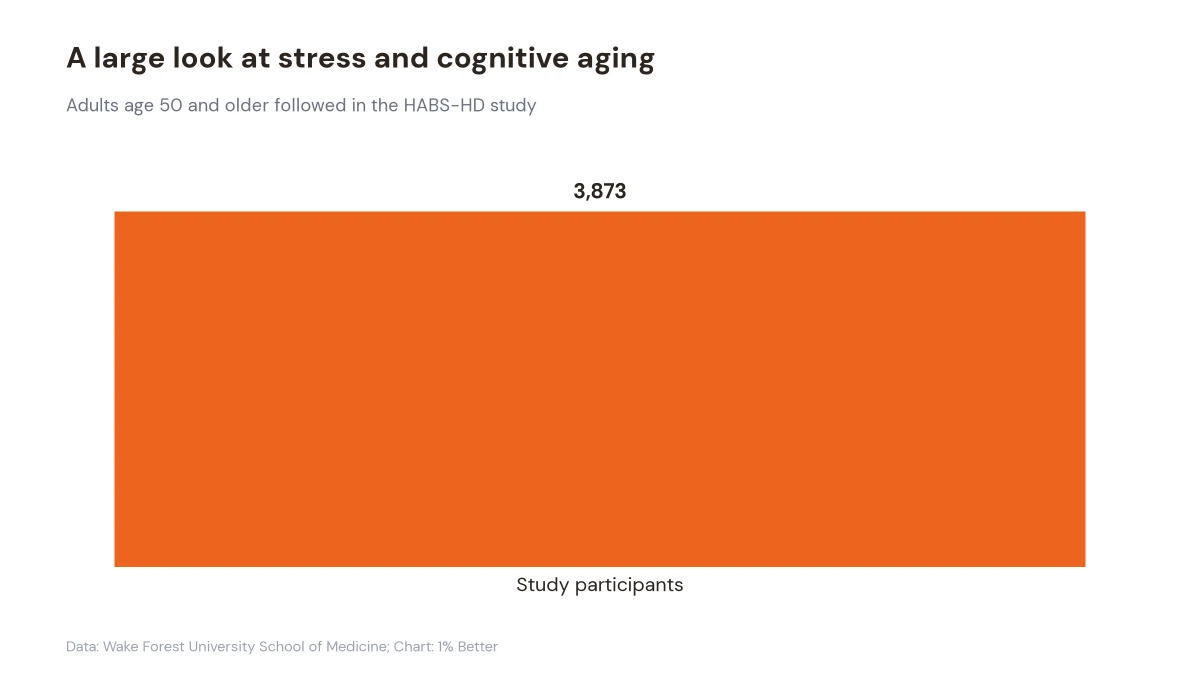
A study of 3,873 adults age 50 and older linked chronic stress and social support with differences in cognitive change over time.
Why it matters: Stress management and stronger social ties may become practical tools for healthier brain aging. The observational study establishes an association and gives researchers a clear target for intervention trials.
Health & Science
Three months of meditation improved resilience in a randomized trial
Rural Lebanese women practicing Transcendental Meditation for three months reported stronger happiness, resilience, and self-efficacy, plus lower stress.
Why it matters: The randomized design strengthens the case for a low-cost mental health practice in communities living with sustained pressure. The results also broaden the evidence base beyond affluent Western settings.
Self-Improvement
A 15-minute weekly awe walk lifted emotional well-being
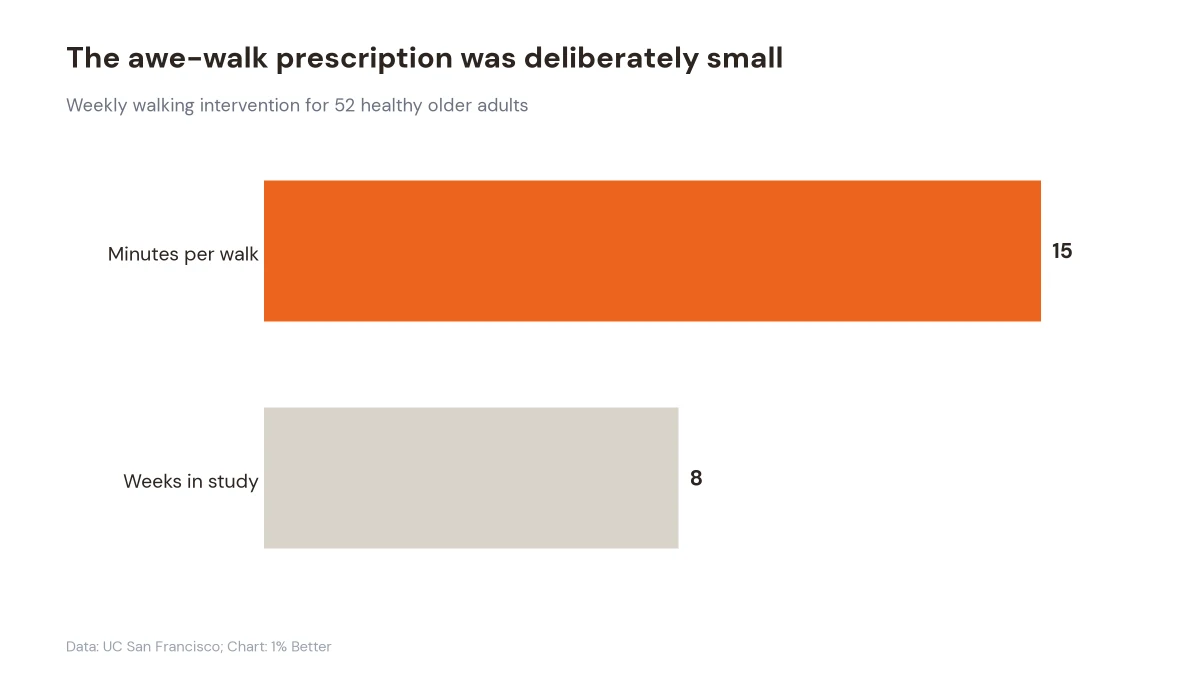
Older adults who took a weekly 15-minute awe walk for eight weeks reported more positive emotions and less daily distress.
Why it matters: A small shift in attention toward nature, art, or a larger setting can make an ordinary walk more restorative. The intervention required little time, equipment, or training, which makes it easy to test personally.
Self-Improvement
Even tiny signs of significance can unlock motivation
Across four studies, children and adults preferred creating more when their work was saved instead of immediately shredded.
Why it matters: People put in more effort when the output feels preserved and meaningful, even during a small task. Managers, teachers, and creators can use visible acknowledgment and durable artifacts to sustain motivation.
Productivity
Bad meeting tech costs 12.2 minutes per failure
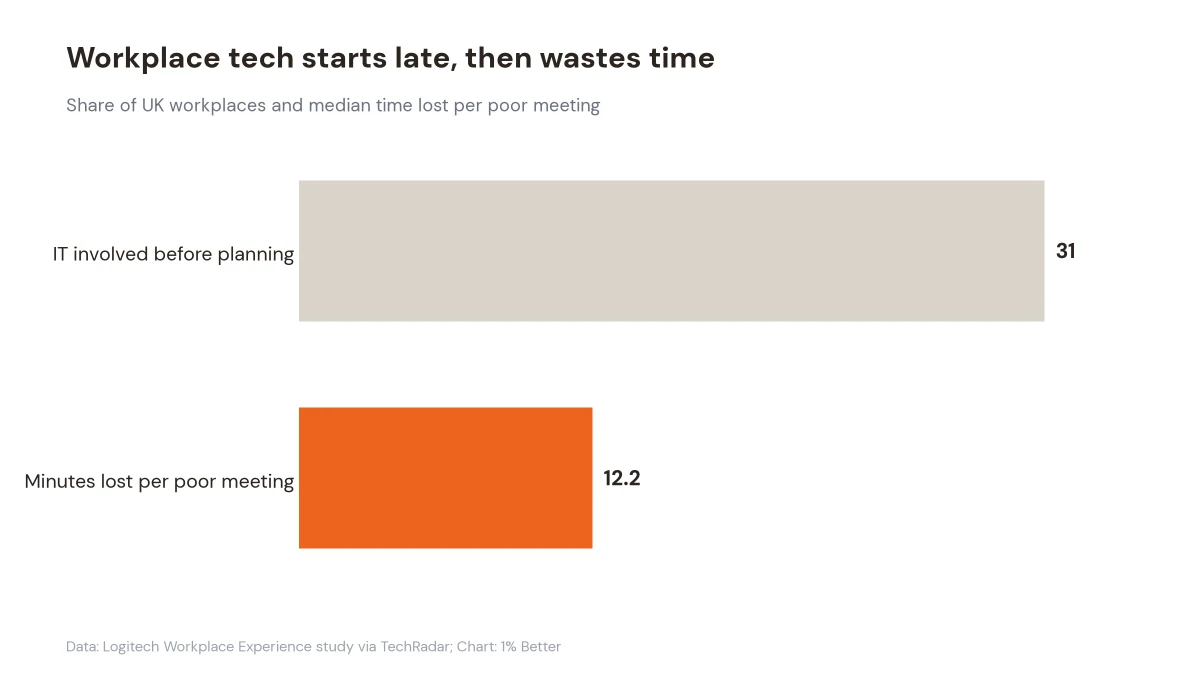
Logitech found that poor audio and dropped connections cost a median 12.2 minutes per bad meeting, while early IT involvement remains rare.
Why it matters: Meeting reliability is a measurable productivity lever, especially for hybrid teams. Bringing IT and audiovisual specialists into room planning early can prevent recurring time loss at scale.
Productivity
AI makes workers faster and raises the bar at the same time
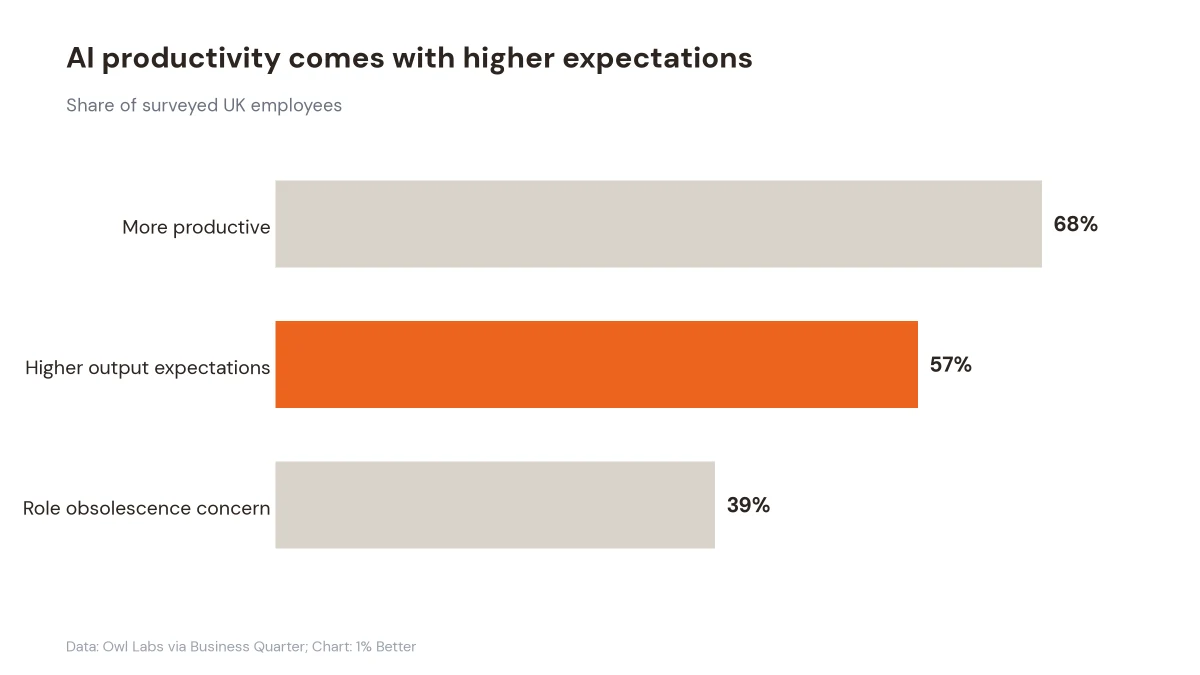
A UK survey found 68% of employees felt more productive with AI, while 57% said it increased expectations for daily output.
Why it matters: Efficiency gains can turn into workload inflation when leaders treat saved time as automatic capacity. Teams need explicit rules for how AI gains translate into output, learning, and time returned to employees.
Business & Money
The 10-year Treasury yield reached 4.93%
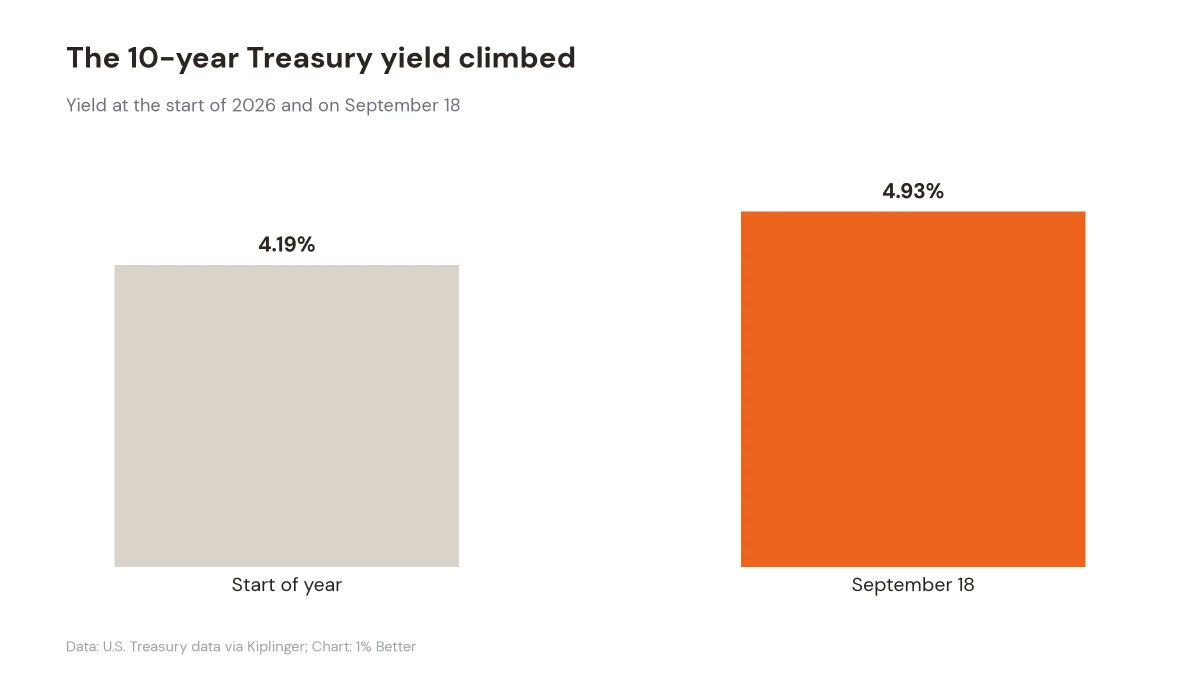
The 10-year Treasury yield rose from 4.19% at the start of 2026 to 4.93% on September 18, lifting pressure on household borrowing costs.
Why it matters: The benchmark influences mortgage pricing and reflects a broader higher-rate environment. On a $400,000 mortgage, Kiplinger calculates that a 0.25-point rate increase adds about $67 to the monthly payment.
Business & Money
Consumers lift one-year inflation expectations to 4.6%
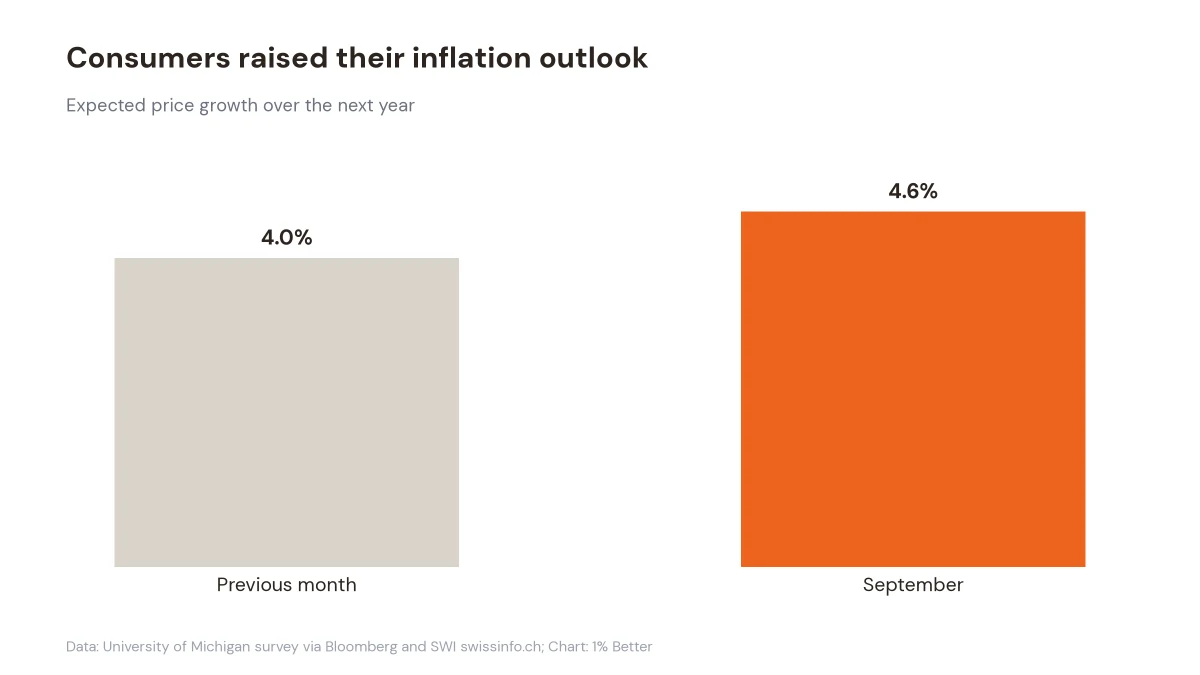
American consumers raised their one-year inflation outlook from 4% to 4.6% as expensive energy and higher borrowing costs weighed on sentiment.
Why it matters: Inflation expectations can shape spending, wage demands, and Federal Reserve policy. Markets now fully price three additional Fed increases over the next year, keeping the cost of capital central for households and businesses.