Daily Brief: September 25, 2026
Today: a new way to trace biomedical evidence, caffeine's hidden sleep cost, a shrinking care network, workplace friction, higher mortgage rates, and a brighter UK consumer mood.
1% Better EditorialThe big picture: better decisions start with seeing the full system, from research evidence and sleep quality to team capacity and household borrowing costs.
Health & Science
PubMed gets a map for tracing research evidence

NIH launched Linked Discoveries, a PubMed tool that maps related biomedical papers, replication studies, reviews, and retractions.
Why it matters: The tool connects more than 29 million publications at launch, giving researchers a faster route from one citation to the wider evidence base. Graph and timeline views can surface context that keyword search leaves scattered across sources.
Health & Science
Coffee can quietly erode deep sleep

A new review finds caffeine can reduce restorative slow wave activity even when people fall asleep normally and spend eight hours in bed.
Why it matters: Sleep duration can look healthy while brain recovery remains weaker, and sensitivity varies with genetics, metabolism, age, stress, and fatigue. Tracking afternoon caffeine alongside next day energy may reveal a hidden feedback loop.
Health & Science
Nursing home capacity keeps contracting
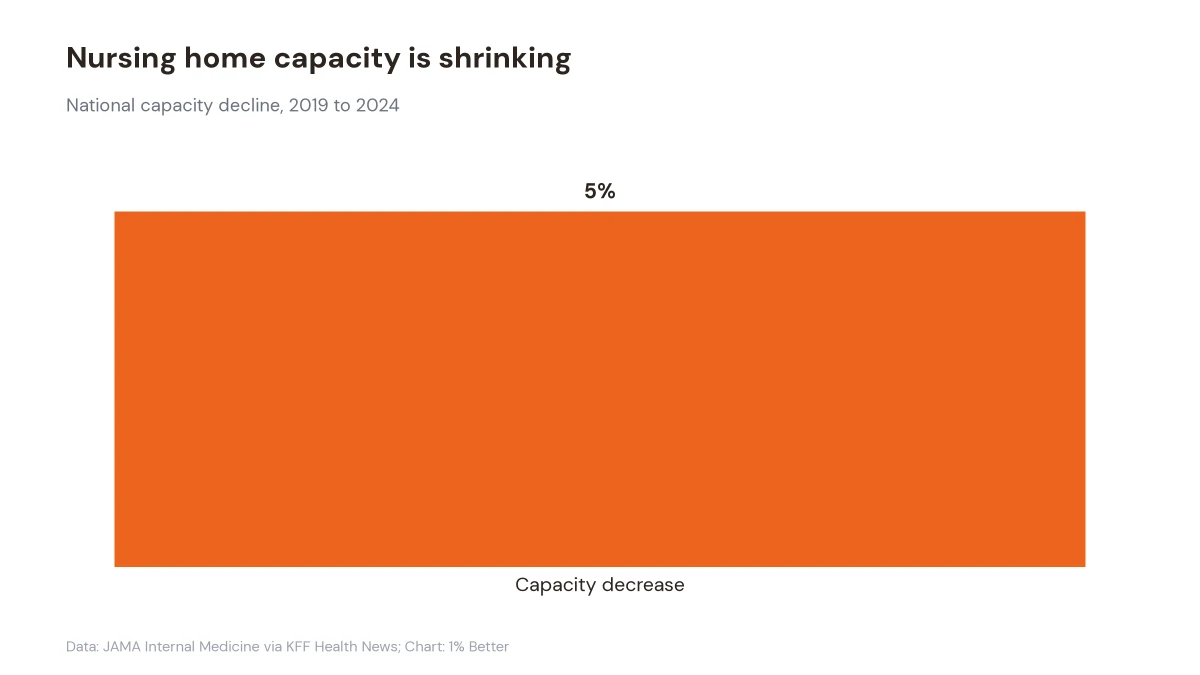
National nursing home capacity fell 5% from 2019 to 2024 as staffing shortages and strained economics squeezed available beds.
Why it matters: The oldest baby boomers turn 80 this year, just as demand for long term care begins to rise sharply. Fewer operating beds also keep hospital patients waiting longer for postacute placements and push families farther from home.
Productivity
Bad meeting tech drains 12 minutes at a time
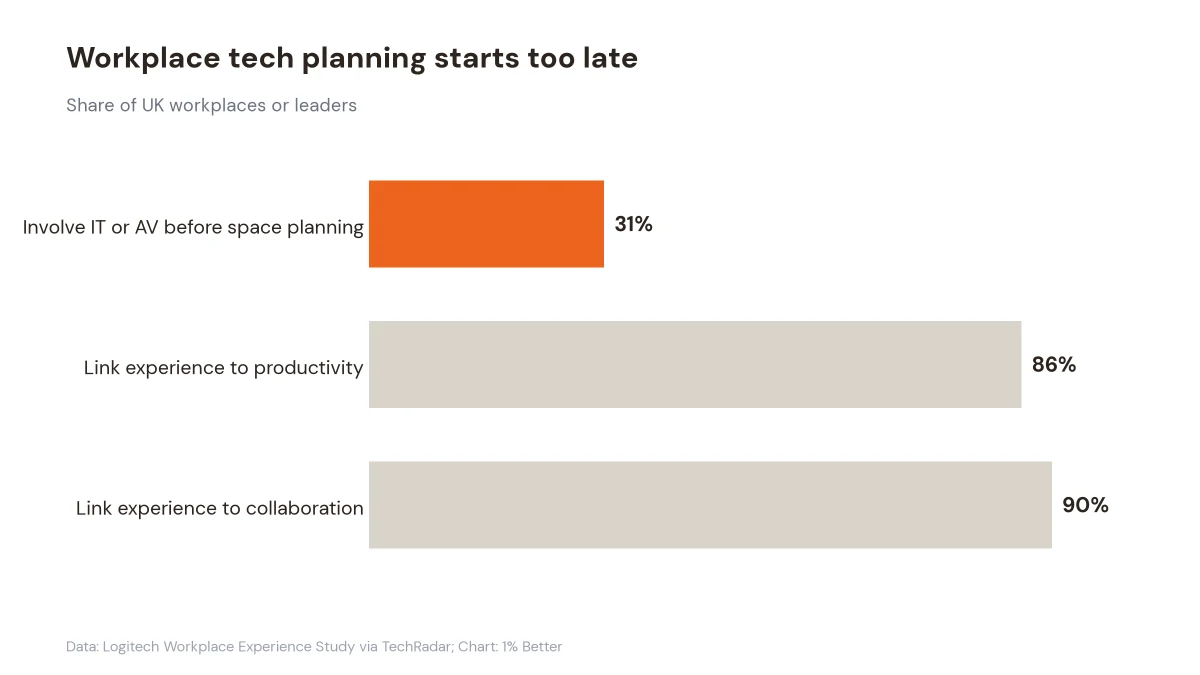
Failed audio and dropped connections cost a median 12.2 minutes per poor meeting, while just 31% of UK workplaces involve IT early.
Why it matters: Room design becomes a productivity decision when technical teams join after key choices are locked in. Bringing IT, human resources, and real estate together earlier can protect focus and reduce expensive retrofits.
Productivity
Overloaded teams need explicit tradeoffs

When demands rise and resources shrink, leaders can regain control by making priorities, capacity, and deferred work visible.
Why it matters: Absorbing overflow at night and on weekends pushes strategic work aside and hides the true capacity gap. A clear list of what moves, pauses, or receives more resources turns overload into a decision leaders can manage.
Self-Improvement
Small signals of significance lift motivation

Four studies found children and adults stayed more engaged when their simple creations were saved instead of shredded.
Why it matters: People work harder when an activity leaves evidence that it mattered, even in a tiny way. Saving drafts, sharing progress, or naming the value of a routine can add meaning without redesigning the entire goal.
Business & Money
Mortgage rates cross the 7% line
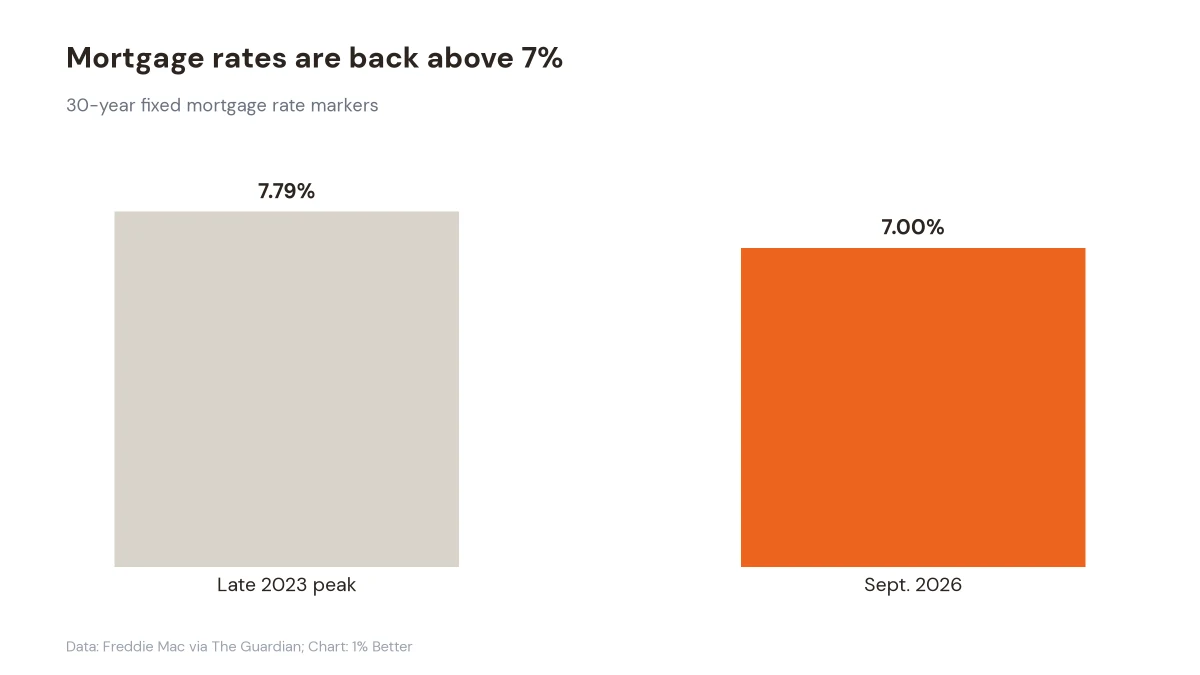
US mortgage rates topped 7% for the first time since January 2025 after the Federal Reserve raised its benchmark rate.
Why it matters: The jump cuts buyer purchasing power in a market already constrained by high prices and limited supply. Borrowers now face a bigger premium for waiting, while existing owners have another reason to keep low rate loans in place.
Business & Money
UK consumer confidence reaches a two year high
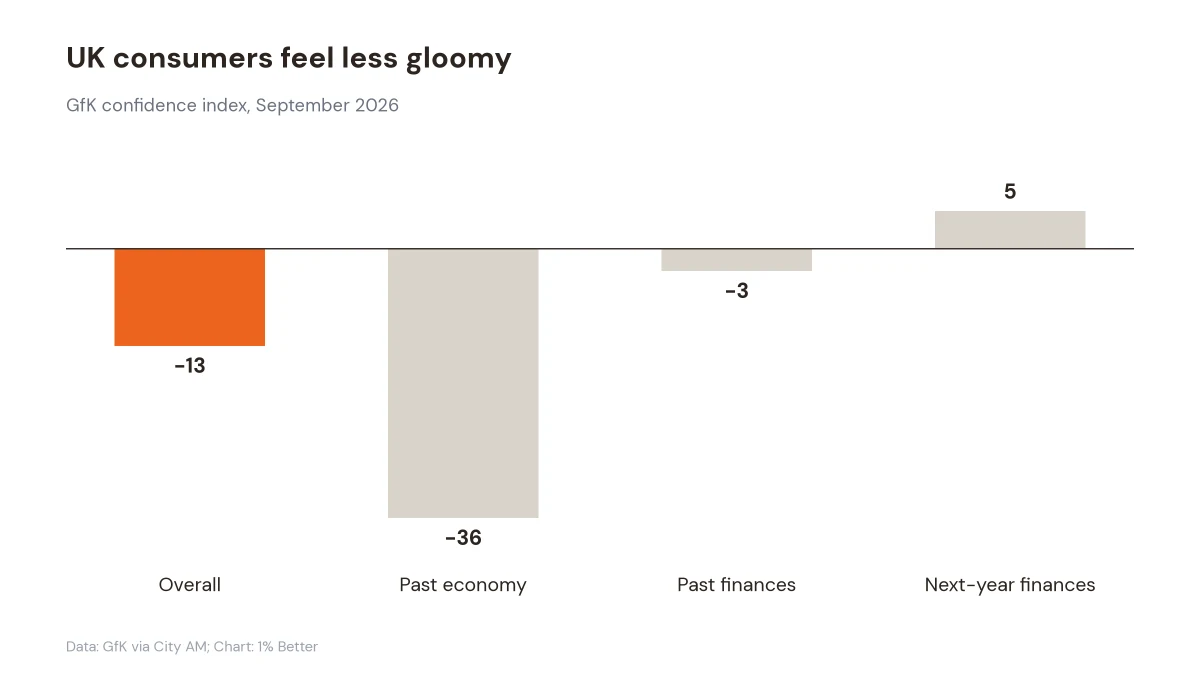
GfK's UK consumer confidence index rose to minus 13 in September, its strongest reading since August 2024.
Why it matters: Households grew more upbeat about personal finances even as inflation reached 3.1%. The mood could support near term spending, while rising energy and fuel costs keep the recovery fragile ahead of the budget.