Daily Brief: September 24, 2026
Today's edge: spot hidden health risks, use food and attention as practical levers, reclaim time from broken meetings, and watch capital and accountability flow deeper into AI.
1% Better EditorialEight useful signals for your health, focus, and money, each grounded in reporting or research published and verified today.
Health & Science
England's hidden hypertension problem is bigger than expected
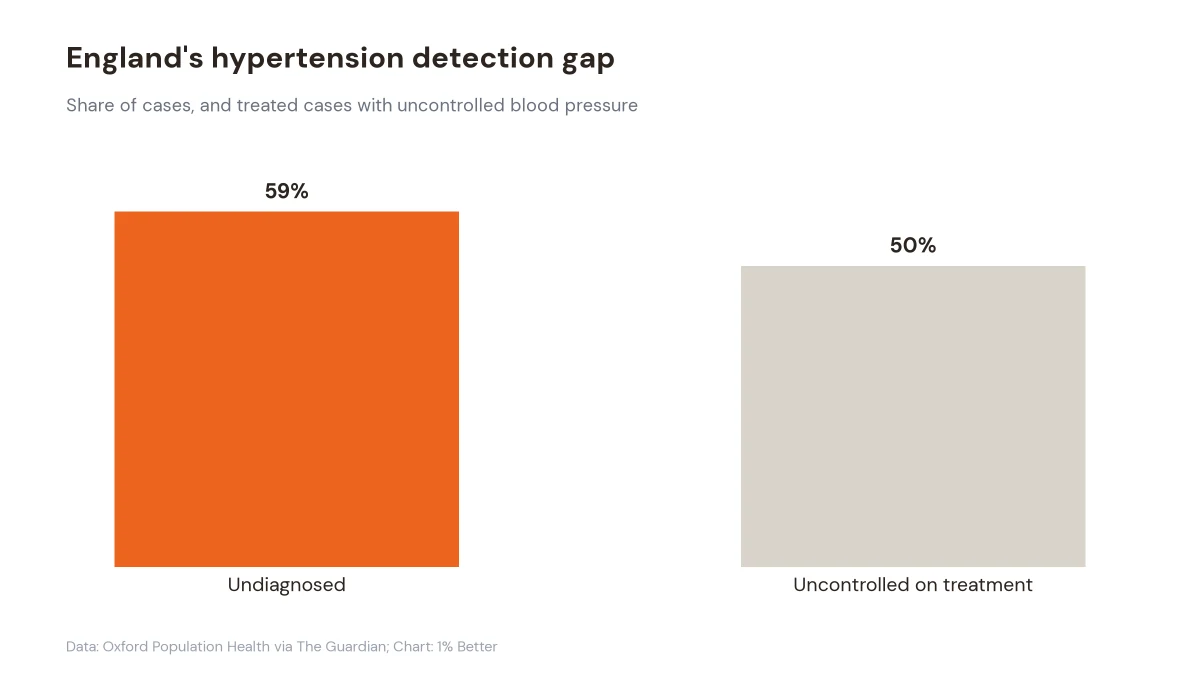
A study of 1.4 million adults found 59% of hypertension cases were undiagnosed, while half of treated cases remained uncontrolled.
Why it matters: High blood pressure often produces few obvious symptoms while raising heart attack and stroke risk. Regular checks create a chance to catch the condition early and adjust treatment when readings stay high.
Health & Science
Kidney timing may explain stubborn overnight blood pressure
University of Waterloo researchers found that a small timing mismatch in kidney salt processing may keep blood pressure elevated during sleep.
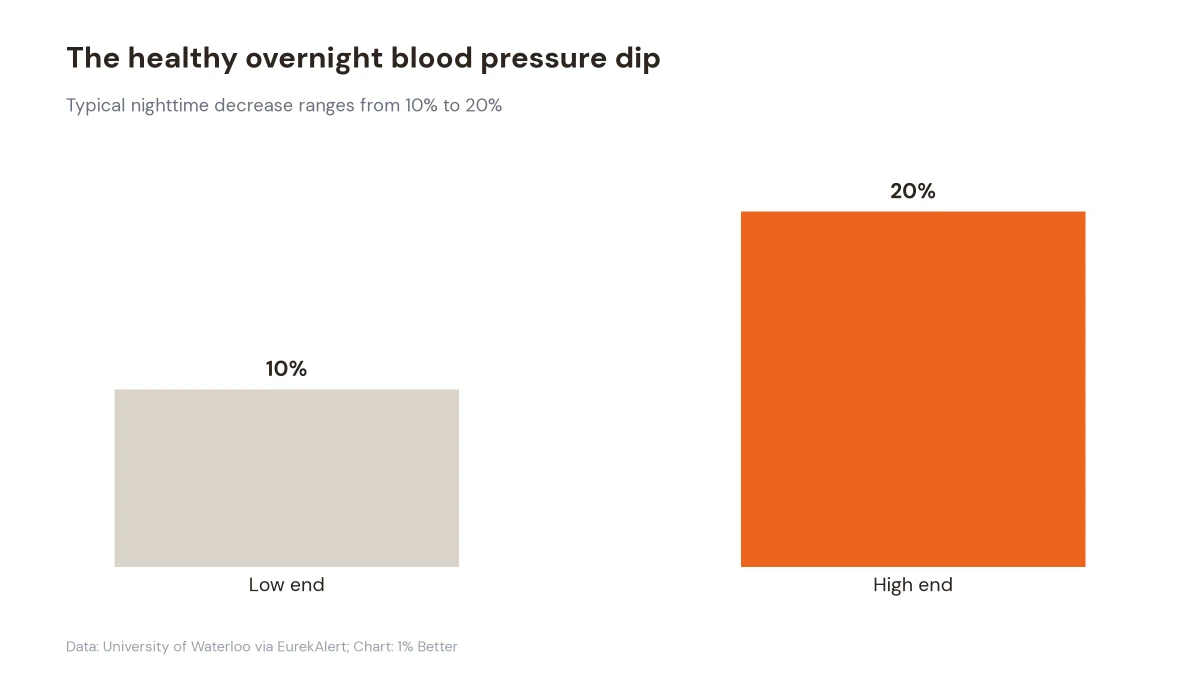
Why it matters: Blood pressure typically falls 10% to 20% overnight, giving the cardiovascular system recovery time. The model points researchers toward treatment timing and salt sensitivity as possible levers for people whose readings stay elevated.
Health & Science
Community gathering places correlate with lower elder care costs
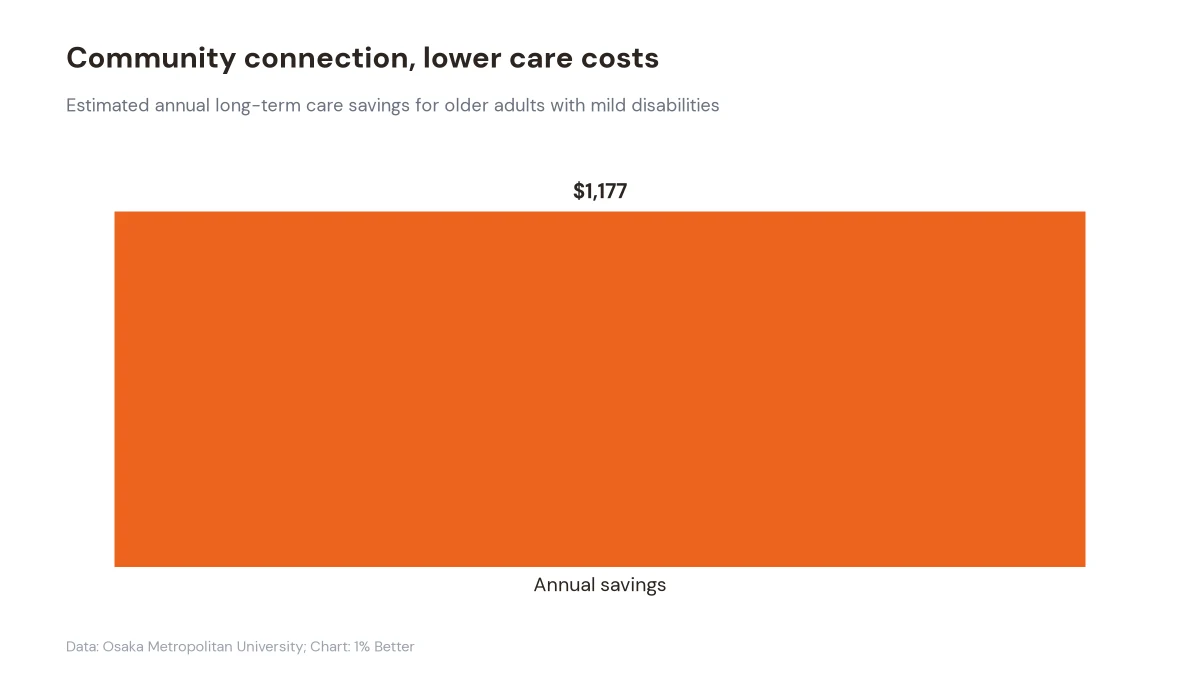
Older adults with mild disabilities who used community gathering places had an estimated $1,177 reduction in annual long-term care costs.
Why it matters: The two-year observational study linked social participation and exercise spaces with lower service use among adults already experiencing mild decline. Cities may have a relatively simple way to support healthier aging and ease care budgets.
Self-Improvement
A small food swap pilot delivered a mental health signal
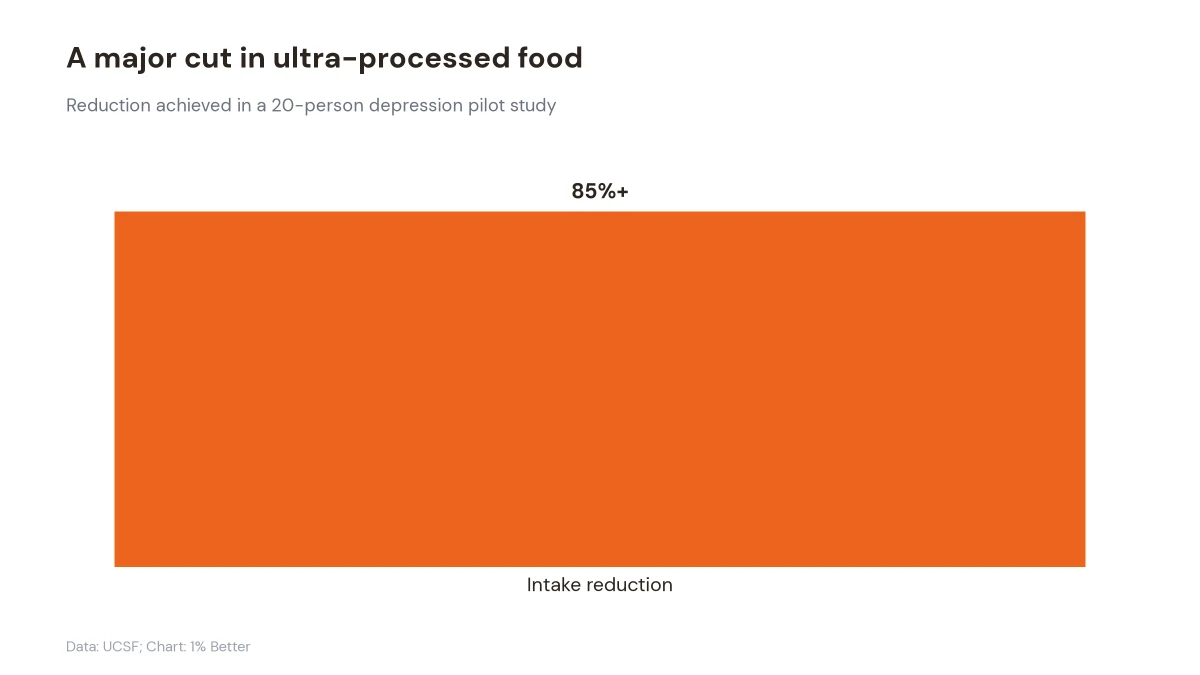
Twenty adults with depression cut ultra-processed food intake by more than 85% and improved across three depression measures in a UCSF pilot.
Why it matters: The study establishes feasibility and offers an encouraging signal for a larger trial, while its small sample keeps the finding preliminary. Food quality could become a practical complement to established mental health care.
Self-Improvement
A weekly 15-minute awe walk lifted daily well-being
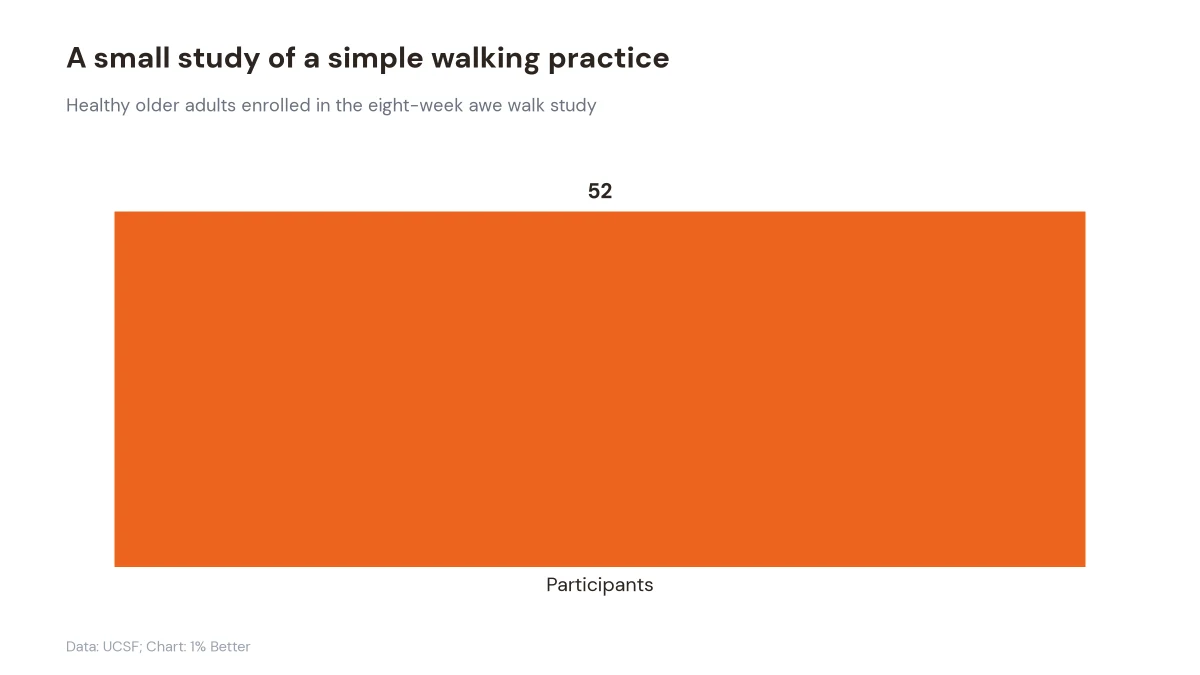
Older adults who practiced awe during a weekly 15-minute walk for eight weeks reported more positive emotions and less daily distress.
Why it matters: The 52-person study suggests attention can change the emotional return from an ordinary walk. A simple prompt to notice something larger than yourself may strengthen gratitude, compassion, and connection at very low cost.
Productivity
One broken meeting can burn 12.2 minutes per person
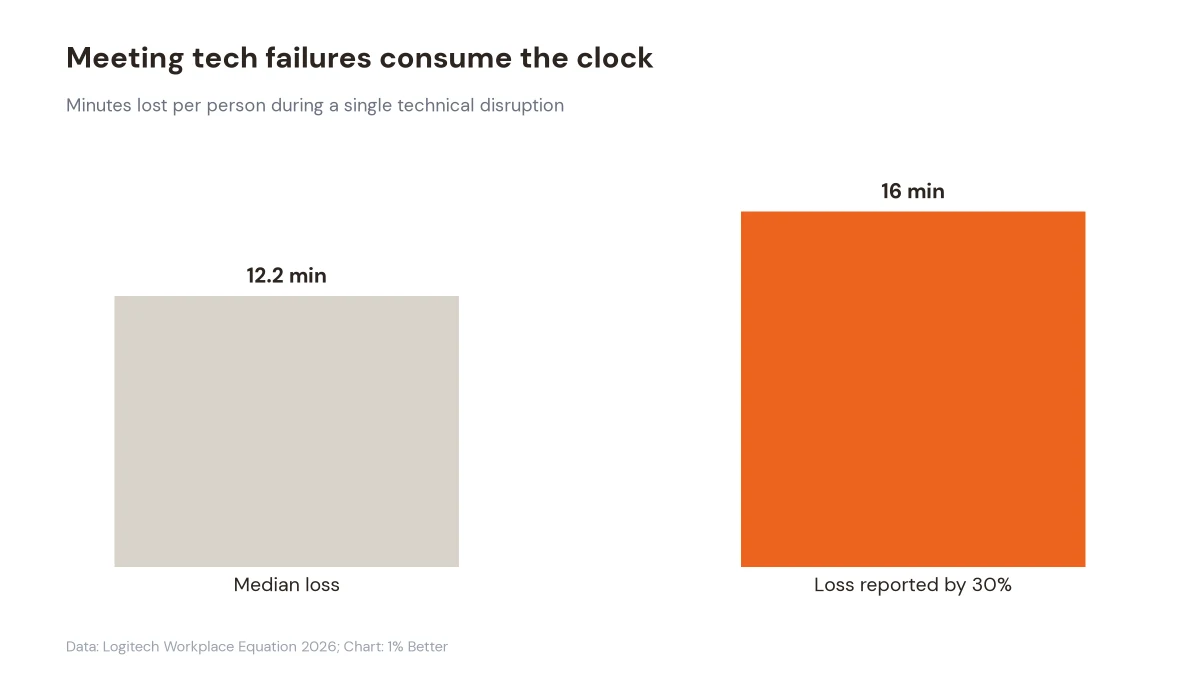
A survey of 1,700 workplace leaders found audio failures and dropped connections cost a median 12.2 minutes per person in a poor meeting.
Why it matters: That friction compounds across every attendee and recurring call. Bringing IT into workspace planning early, standardizing rooms, and tracking start delays can turn a vague annoyance into a measurable productivity target.
Business & Money
UK companies push AI accountability into the C-suite
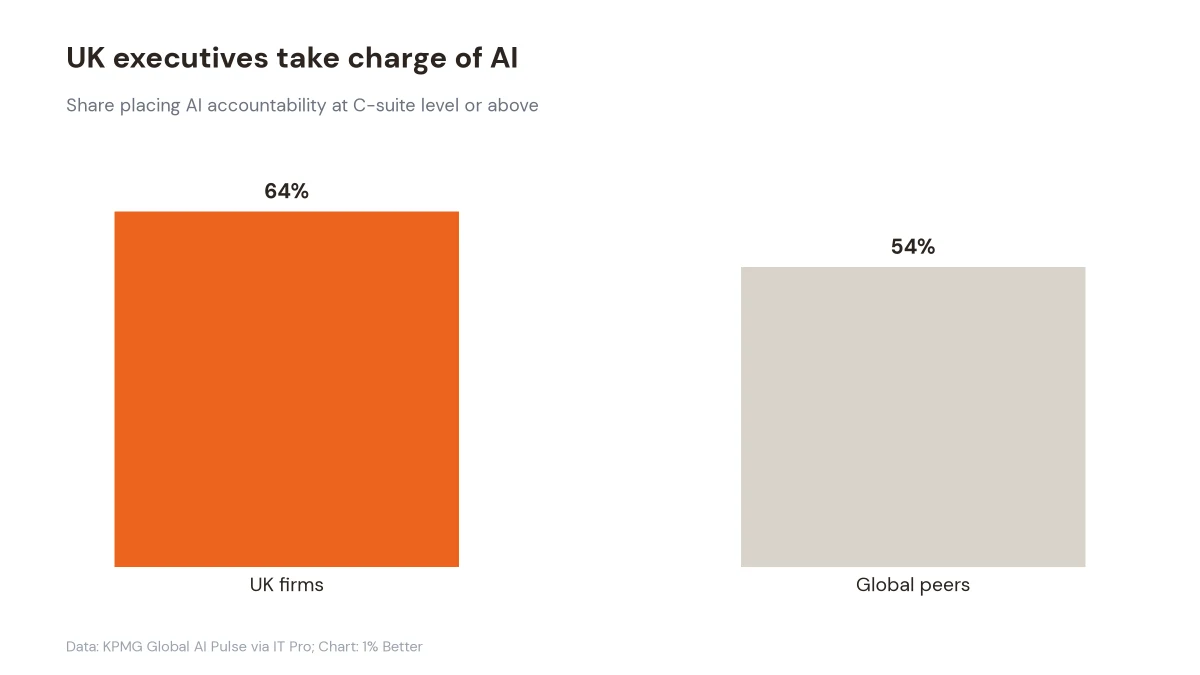
KPMG found 64% of UK firms place AI accountability at C-suite level or above, compared with 54% of organizations globally.
Why it matters: AI adoption is moving from experiments into operating structure. Named executive ownership can speed decisions, clarify risk, and connect spending with measurable business value as agent use expands.
Business & Money
Bessemer raises $5.75 billion to double down on AI
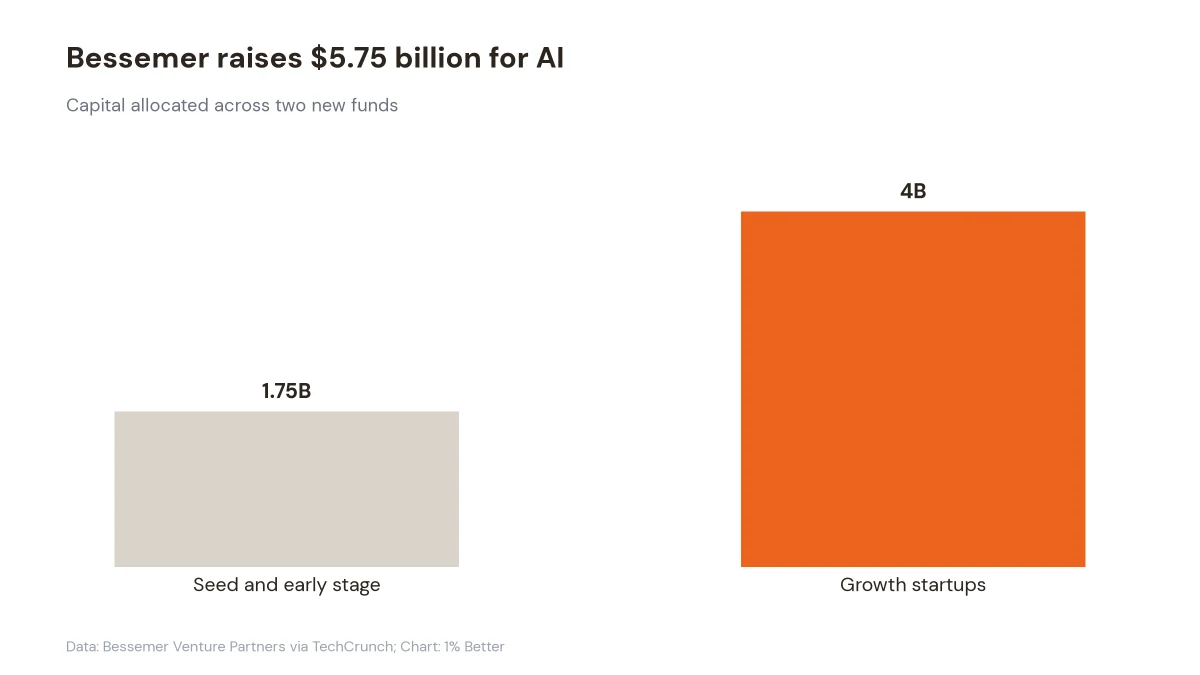
Bessemer Venture Partners raised two new funds, allocating $1.75 billion to early-stage bets and $4 billion to growth startups.
Why it matters: The capital extends the runway for AI infrastructure, models, tools, and applications even as funding concentrates around the category. Founders gain another large pool of private financing as companies stay private longer.