Daily Brief: September 23, 2026
NIH accelerates human-based research, meetings reveal a measurable cost and payoff, sleep science offers a memory rescue, and higher Treasury yields reach household budgets.
1% Better EditorialToday's brief follows the numbers from the lab to the meeting room and the mortgage market, with practical signals for health, focus, motivation, and money.
Health & Science
NIH puts major funding behind human-based research
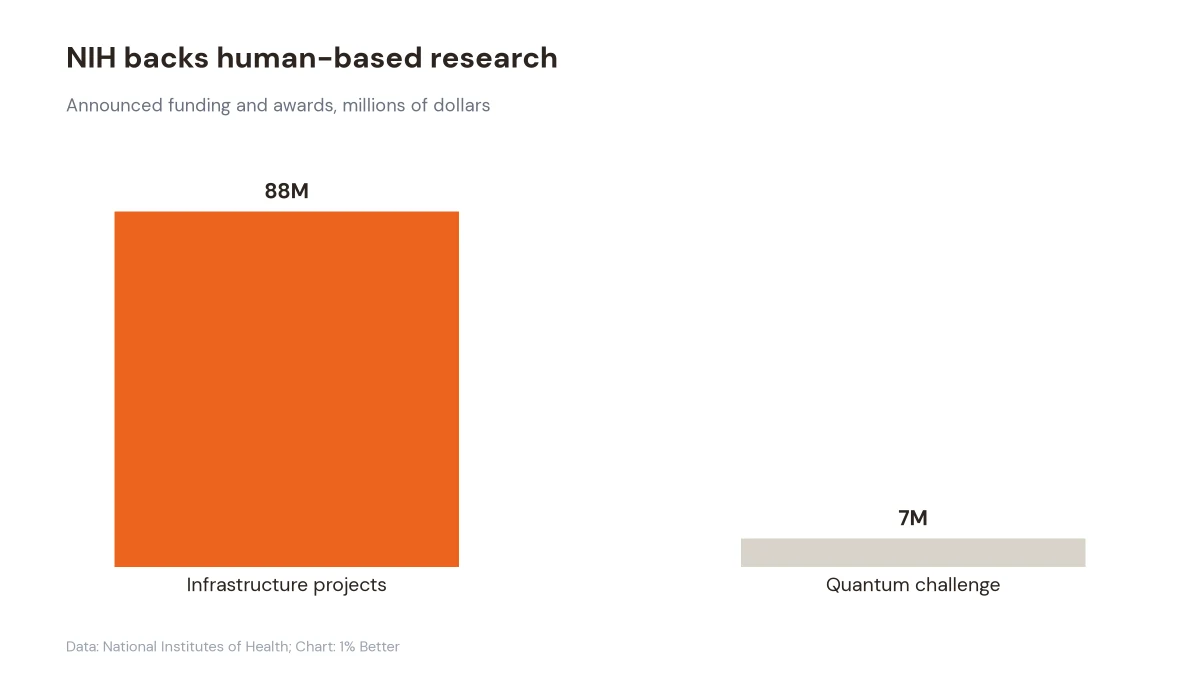
The National Institutes of Health unveiled five initiatives aimed at making preclinical research more human-relevant.
Why it matters: The package includes $88 million for 10 infrastructure projects and more than $7 million for a quantum technology challenge. Better organoid models, robotics, and standardized data could make early drug research faster and more predictive.
Health & Science
Late-pregnancy sleep quality is linked to childhood weight
A new study linked poorer sleep late in pregnancy with lower early infant weight followed by higher weight after age one.
Why it matters: The association was strongest among boys and babies born at term, giving prenatal care teams another potentially useful risk signal. Routine sleep screening could help identify families who may benefit from earlier support.
Productivity
Meetings take 12% of work hours and 14% of payroll
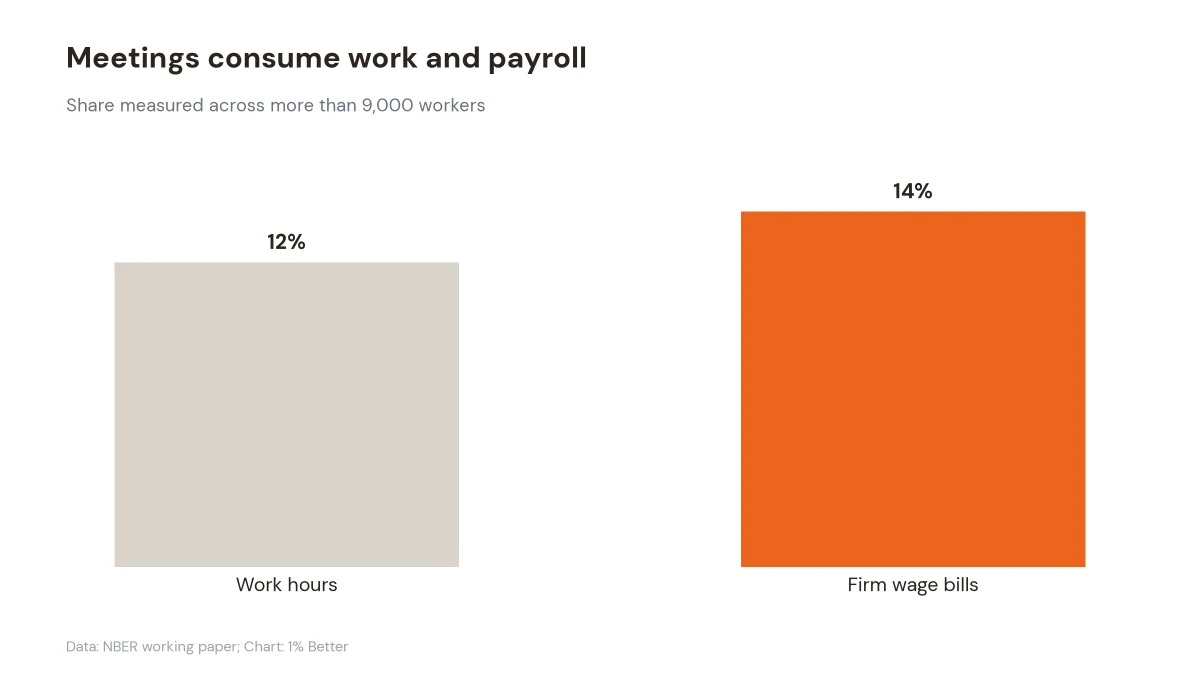
A study of more than 9,000 Norwegian workers found that meetings consume 12% of work hours and 14% of firm wage bills.
Why it matters: The cost comes with a possible payoff: meeting intensity was associated with wage growth and on-the-job learning. The finding reframes meeting cuts as a quality decision, with coordination and knowledge transfer worth preserving.
Productivity
Office tech failures waste 12.2 minutes per bad meeting
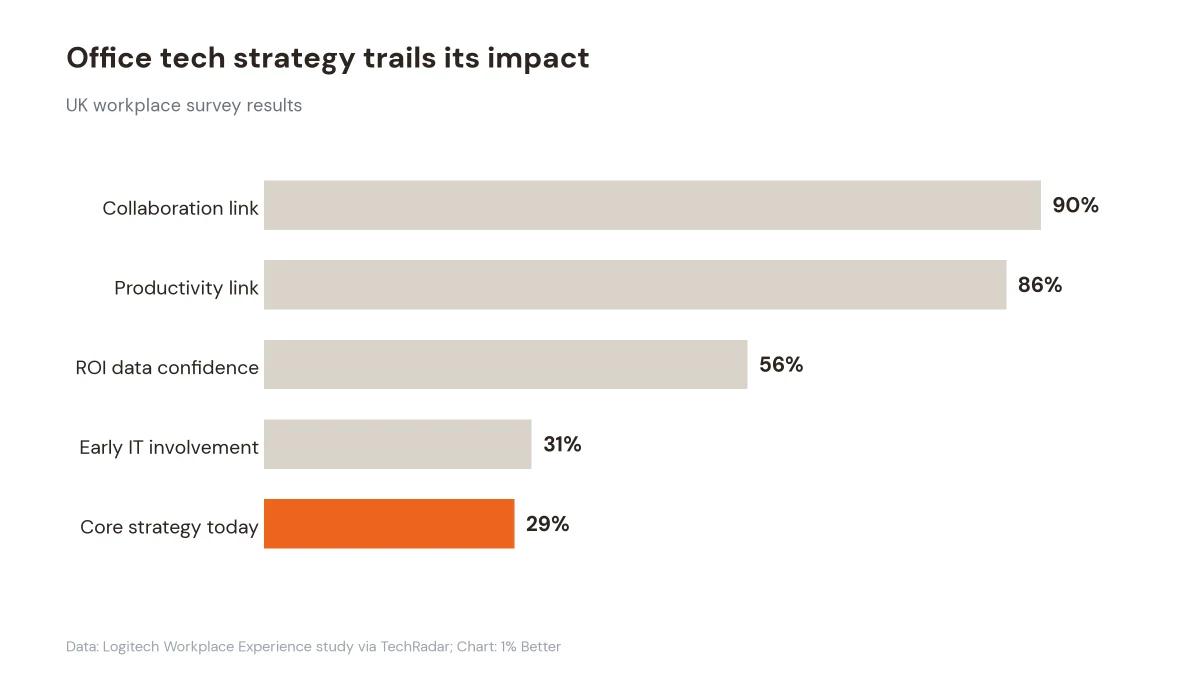
Logitech research found that failed audio and dropped connections cost a median 12.2 minutes per affected meeting.
Why it matters: Only 31% of UK workplaces involve technology teams before space planning, even as 86% of leaders connect workplace experience with productivity. Bringing IT and audio-visual teams into design earlier can remove recurring friction at its source.
Self-Improvement
Small signs of significance can lift motivation

Four studies found that children and adults stayed more engaged when their creations were saved and treated as meaningful.
Why it matters: Meaning can operate at the task level, well before a grand sense of purpose enters the picture. Showing where a person's work goes, who sees it, or what remains afterward may strengthen effort in everyday projects.
Self-Improvement
A short workout or nap helped memory after lost sleep
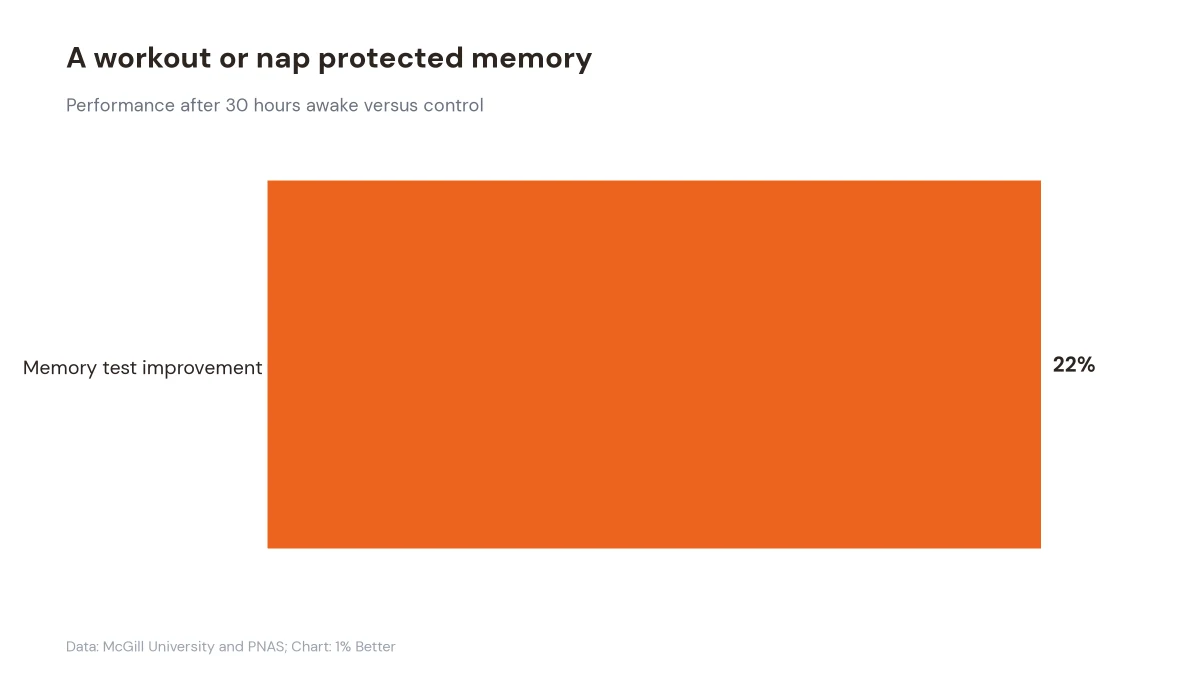
After 30 hours awake, a 20-minute workout or a 90-minute nap improved memory performance by about 22% versus the control group.
Why it matters: The two interventions produced similar memory gains through different brain pathways in a laboratory study of 54 young adults. A brief exercise session may offer a practical cognitive buffer during demanding shifts when a nap is difficult.
Business & Money
The 10-year Treasury yield reaches 4.93%
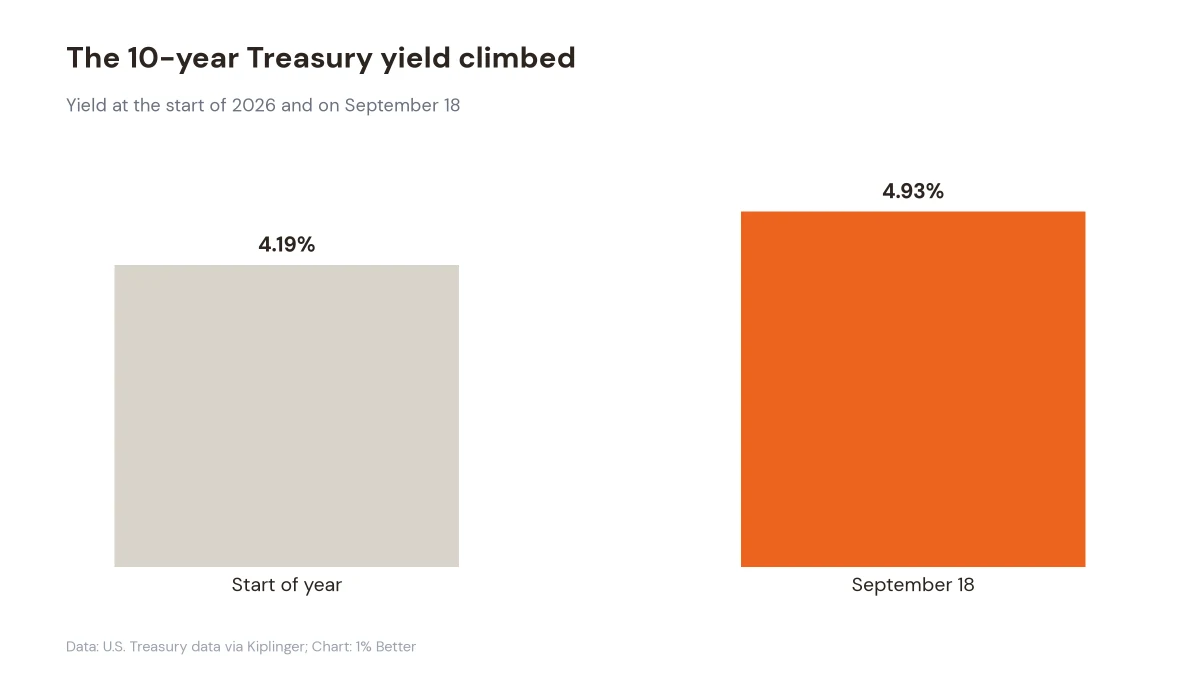
The benchmark 10-year Treasury yield rose from 4.19% at the start of 2026 to 4.93% on September 18.
Why it matters: Long-term yields help shape mortgage rates and broader borrowing costs, so the climb can reach household budgets quickly. Kiplinger calculates that a 0.25-point rise on a $400,000 mortgage would add about $67 to the monthly payment.
Business & Money
AI systems are taking a larger role in building AI
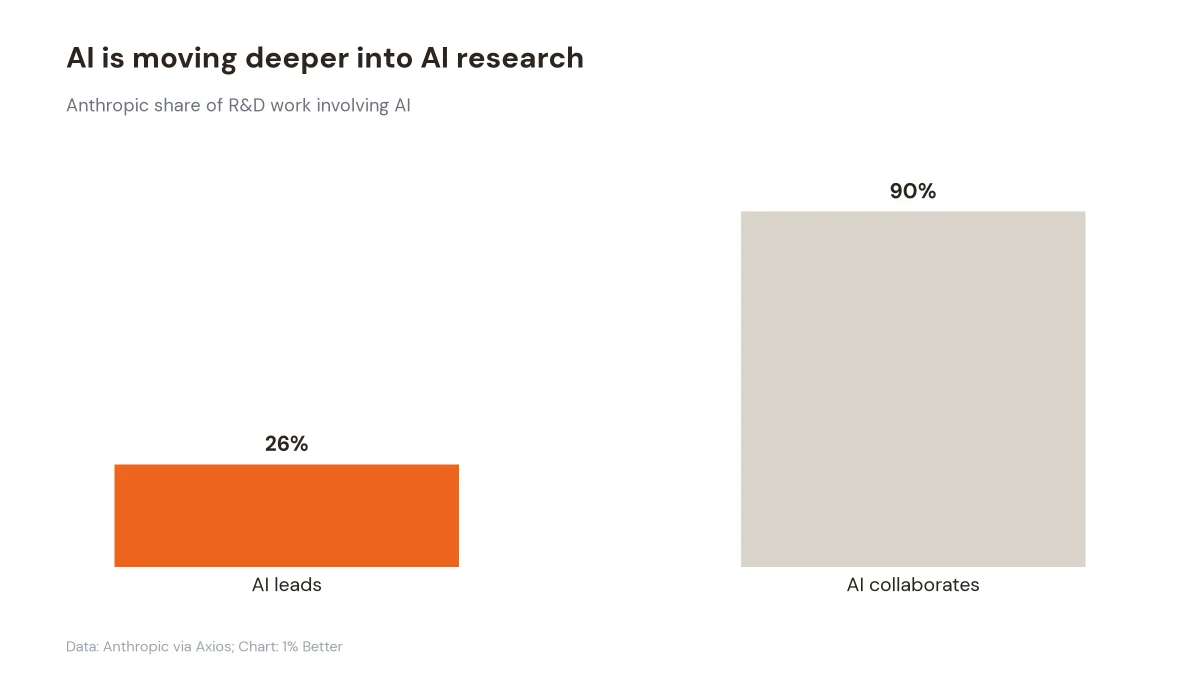
Anthropic says AI leads about 26% of its research and development work and collaborates on 90% of that work.
Why it matters: Automation can accelerate experiments and model development while concentrating more operational responsibility inside the systems being improved. Researchers say current feedback loops remain below recursive self-improvement benchmarks, keeping governance and controls central as capabilities advance.