Daily Brief: September 22, 2026
Inflammation's hidden heart toll, a tiny three-function brain implant, costly meeting glitches, AI's workplace strategy gap, easing oil prices, and practical evidence for exercise and mindfulness.
1% Better EditorialToday’s signal: Better systems, clearer judgment, and simple health habits are doing more of the heavy lifting.
Health & Science
Hidden inflammation is reshaping hearts years before symptoms
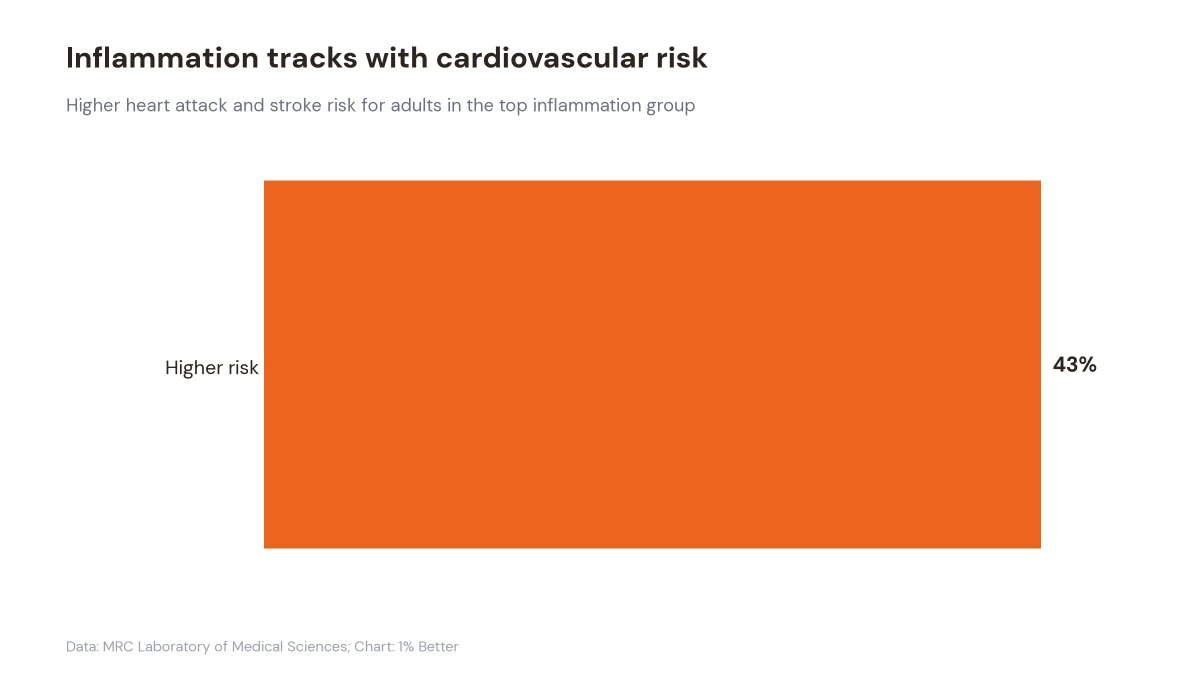
Adults with the highest inflammation levels faced a 43% greater risk of heart attack and stroke in a study of nearly 480,000 people.
Why it matters: The research links chronic inflammation with thicker heart walls, smaller chambers, and poorer filling long before warning signs appear. A routine blood marker could eventually help flag people who would benefit from earlier prevention.
Health & Science
A needle-thin brain implant combines three jobs in one fiber
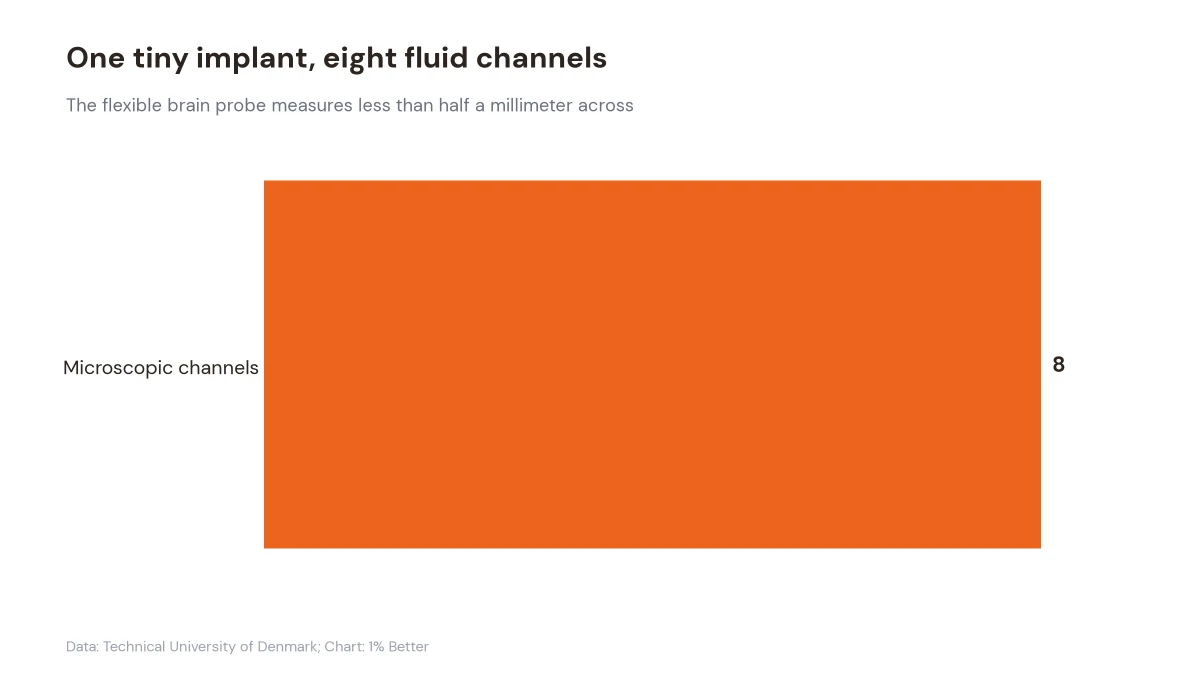
Researchers built a flexible brain implant that can record neural signals, deliver drugs, and stimulate several brain regions through one tiny fiber.
Why it matters: The device measures less than half a millimeter across and contains eight microscopic channels. Mouse tests suggest a path toward more precise brain research with fewer implanted devices, while clinical use remains a longer-term goal.
Productivity
Bad meeting tech is costing workers 12 minutes at a time
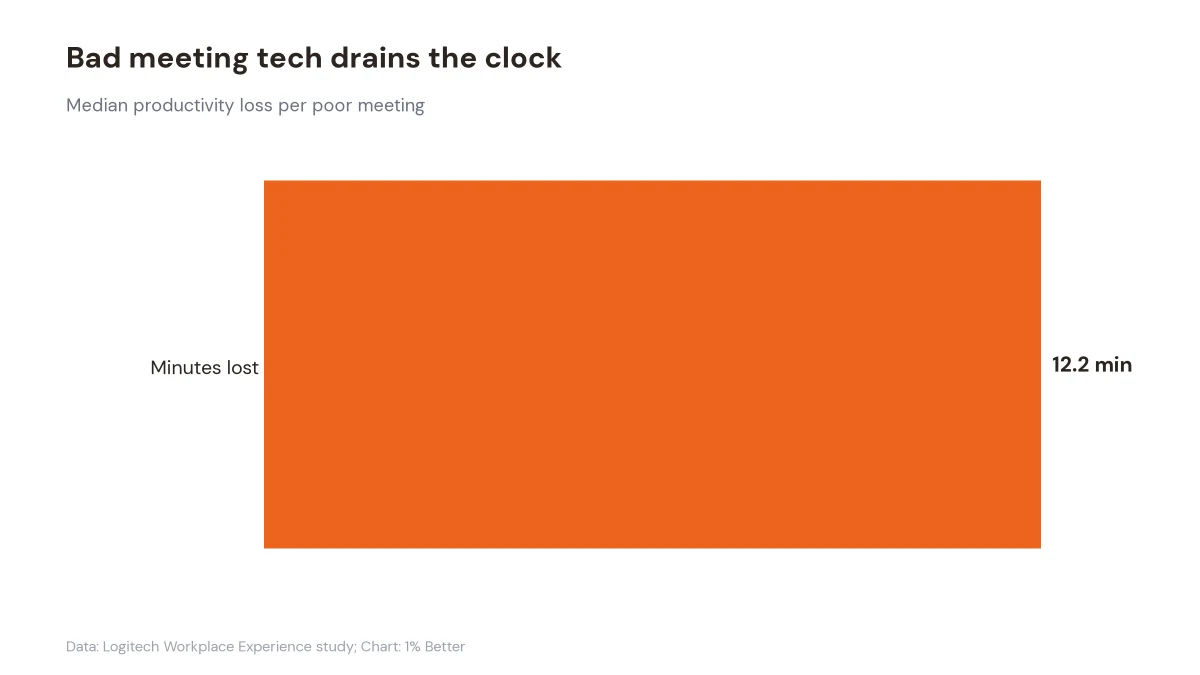
Failed audio and dropped connections erase a median 12.2 minutes of productivity for every poor meeting, according to Logitech research.
Why it matters: Only 31% of UK workplaces bring IT and audiovisual teams into planning early. Treating downtime as a measurable operating cost gives leaders a concrete case for designing rooms and workflows around reliable collaboration.
Productivity
Companies are pushing AI faster than they explain it
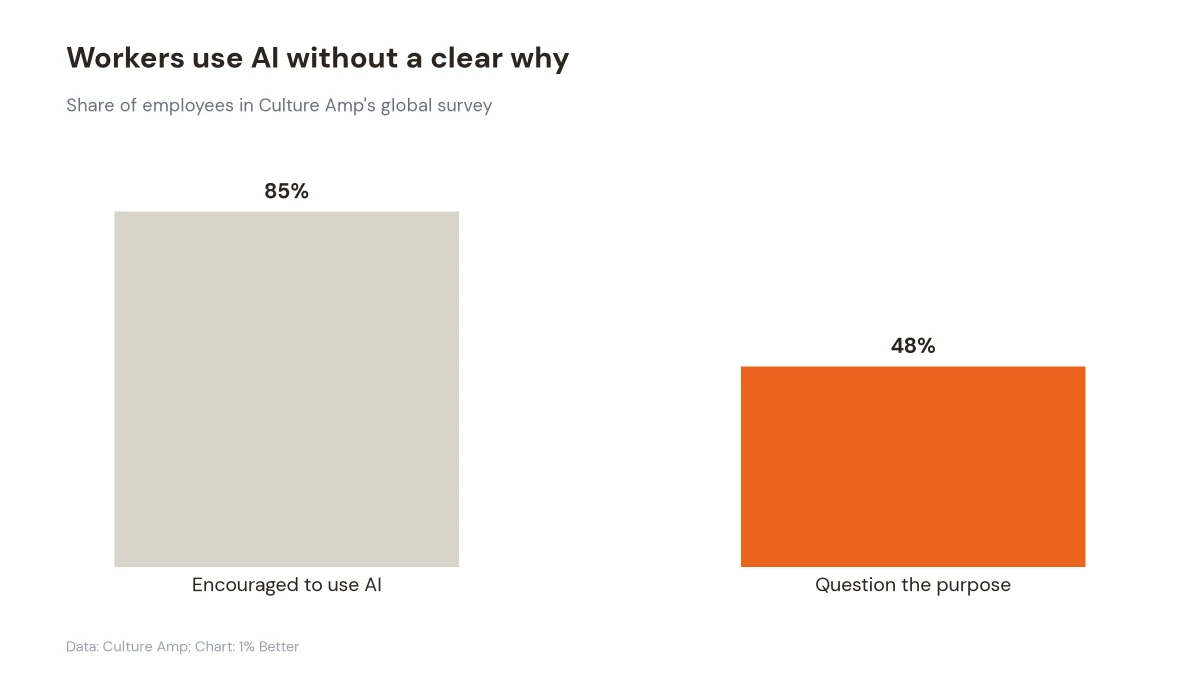
Culture Amp found 85% of employees are encouraged to use AI, while 48% still question why the technology is being used at work.
Why it matters: The survey covered 112,000 people across 123 businesses, making the strategy gap hard to dismiss as an edge case. Clear use cases, manager guidance, and outcome metrics can turn scattered experimentation into repeatable productivity gains.
Business & Money
AI is widening the workplace judgment gap
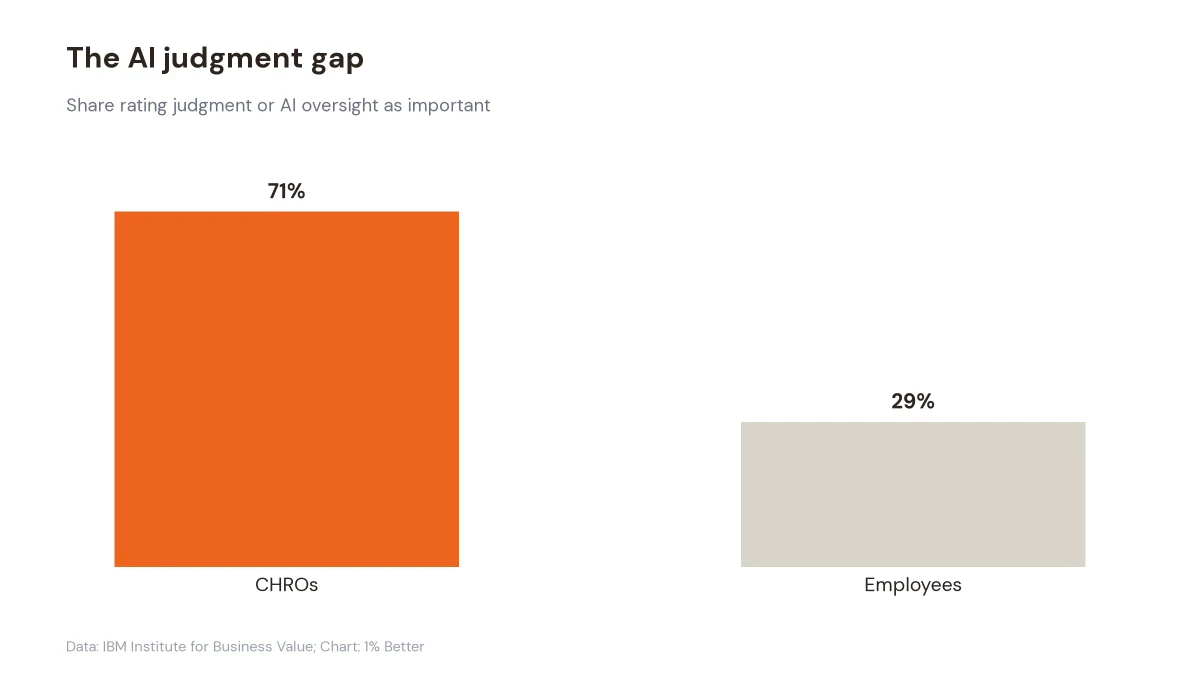
IBM found 71% of HR chiefs prize the ability to supervise and override AI output, while just 29% of employees rank judgment as important.
Why it matters: Organizations that define work as human-led, AI-assisted, or AI-executed reported 18% lower risk and 20% better quality. Training people to challenge outputs and clarifying accountability may matter as much as deploying the tools themselves.
Business & Money
Oil's five-day slide gives markets breathing room
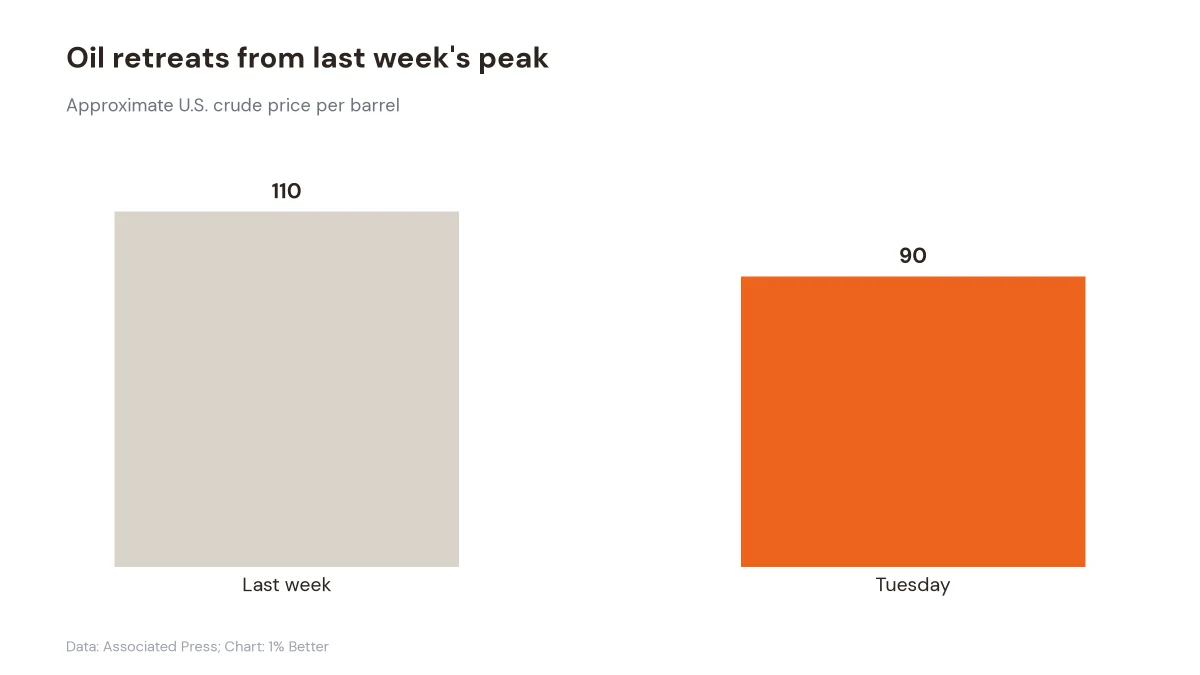
American crude fell below $90 a barrel for the first time this month, extending a five-day retreat from nearly $110 last week.
Why it matters: Cheaper oil can ease inflation pressure and reduce the strain that rising bond yields place on stocks and household budgets. The 10-year Treasury yield also eased to 4.93% after crossing 5% last week.
Self-Improvement
Mindfulness programs show a measurable heart-health payoff
A review found that structured mindfulness and positive psychology programs improved blood pressure and inflammation within eight to 12 weeks.
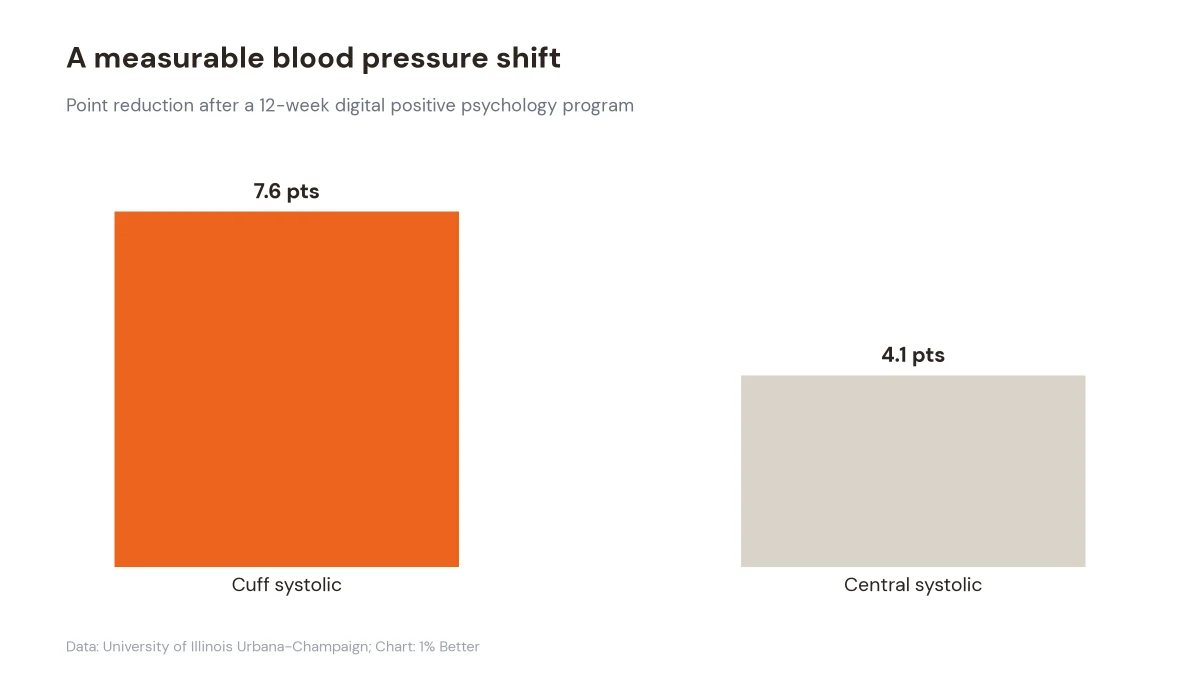
Why it matters: A 12-week digital program reduced cuff-measured systolic pressure by 7.6 points and central systolic pressure by 4.1 points. Programs with frequent contact and daily microtasks produced the most reliable benefits.
Self-Improvement
Three weekly workouts improved mood in midlife
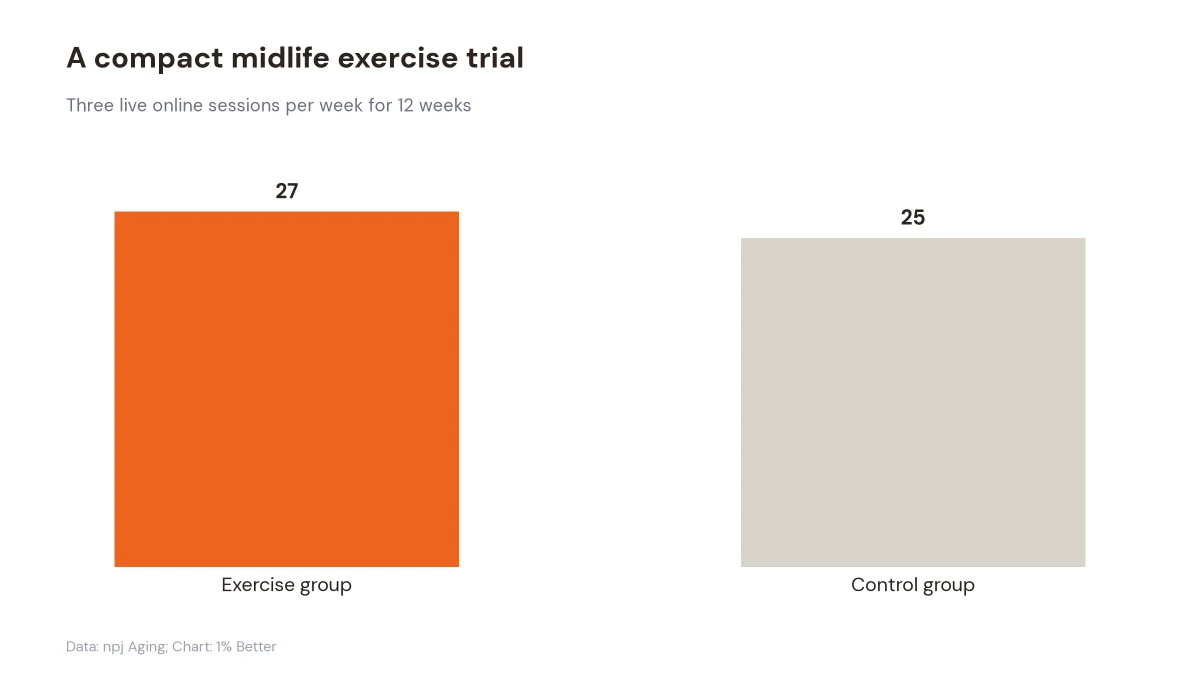
A 12-week randomized trial found that live online exercise improved mood in healthy, inactive middle-aged adults and achieved 86% session attendance.
Why it matters: The 52-person NeuroFit trial used three 30-minute classes each week, mixing cardio, strength, and functional training. The program offers a practical template for accessible group exercise while longer trials test cognitive effects.