Daily Brief: September 20, 2026
A rare lung cancer mutation, a tiny self-compassion habit, stubborn borrowing costs, upbeat CEOs, and the hidden toll of broken meeting tech lead today's brief.
1% Better EditorialToday’s signal: small inputs can carry enormous consequences, from a rare gene and a 20-second habit to a dropped meeting connection and one quarter-point rate move.
Business & Money
The era of cheap money keeps fading
The Federal Reserve raised its benchmark rate by a quarter point as sticky inflation and firm growth reset the outlook for borrowing costs.
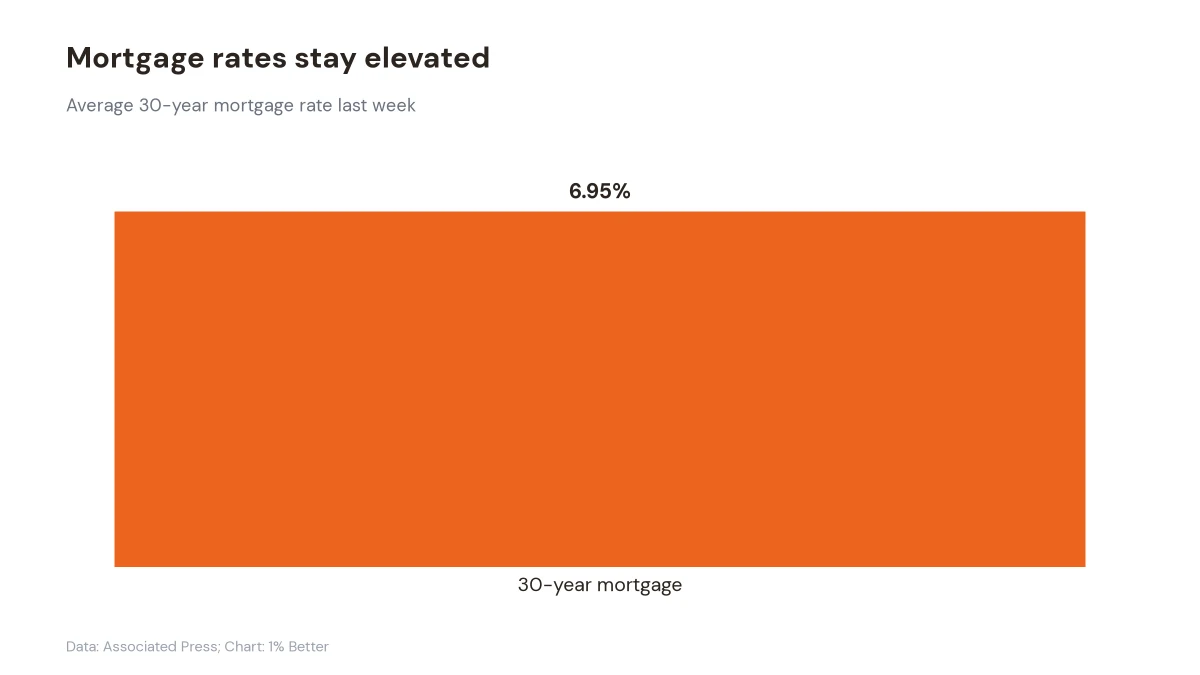
Why it matters: The average 30-year mortgage rate reached 6.95% last week, the highest in more than 18 months. Households and businesses should plan around structurally higher financing costs as energy shocks, data center investment, and government borrowing keep pressure on rates.
Health & Science
A rare mutation sharply raises lung cancer risk
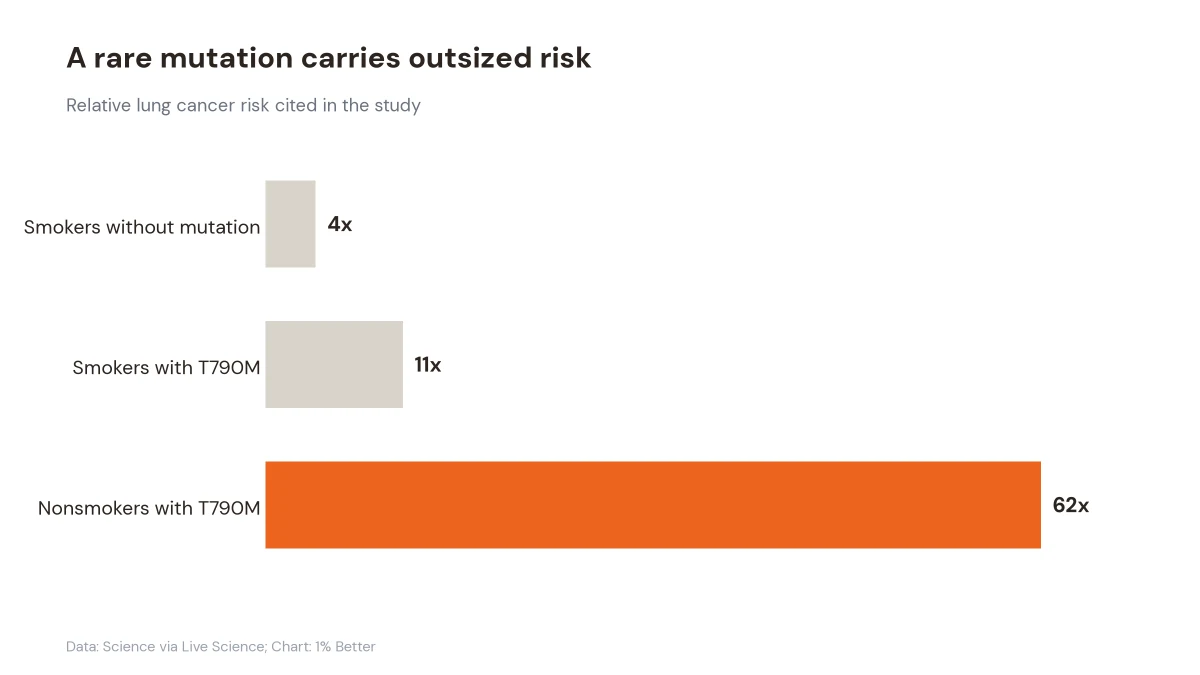
An inherited EGFR T790M mutation was linked to 62 times the lung cancer risk among people who had never smoked.
Why it matters: The study analyzed more than 3 million people of European ancestry and found the variant in about one person per 15,850. Its rarity limits its population-wide impact, but family history and mutation status could shape screening and treatment decisions.
Health & Science
Creatine preserved muscle during weight loss
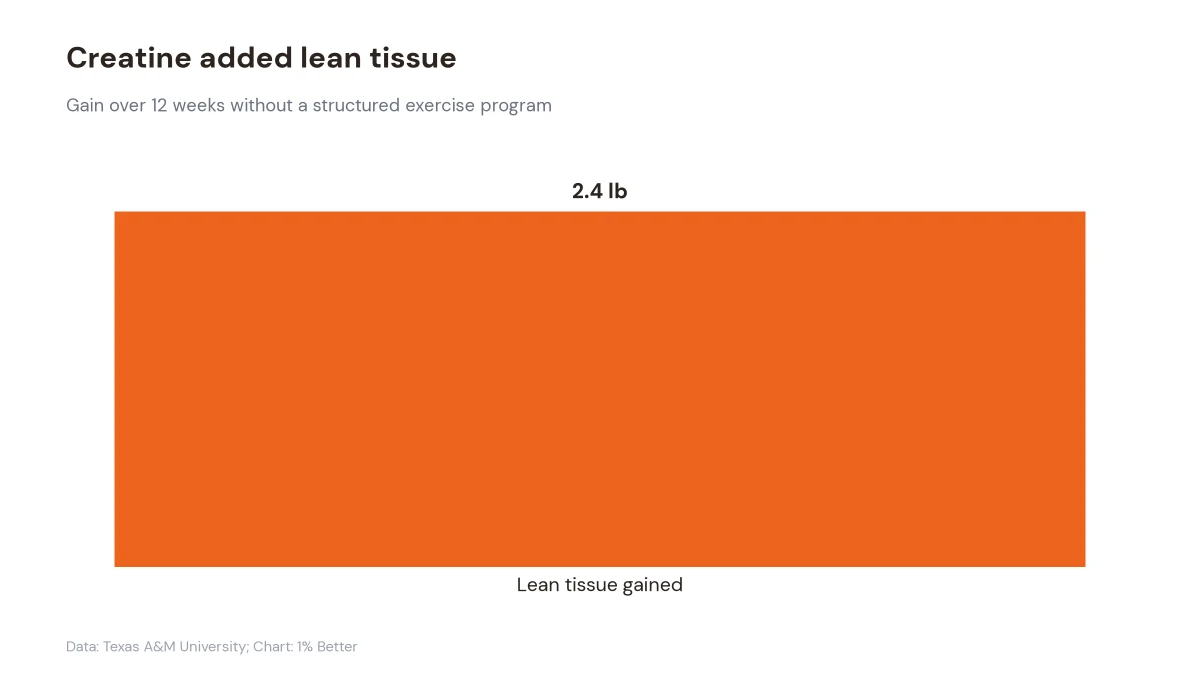
A 12-week study of 64 middle-aged adults found creatine supported lean tissue and strength, including without a structured exercise program.
Why it matters: Adults taking 10 grams daily without the program gained about 2.4 pounds of lean tissue, while the exercise and diet group taking creatine gained nearly three pounds. The trial was small, but it broadens the case for studying creatine as a healthy-aging tool.
Self-Improvement
Habit design made a 20-second practice stick
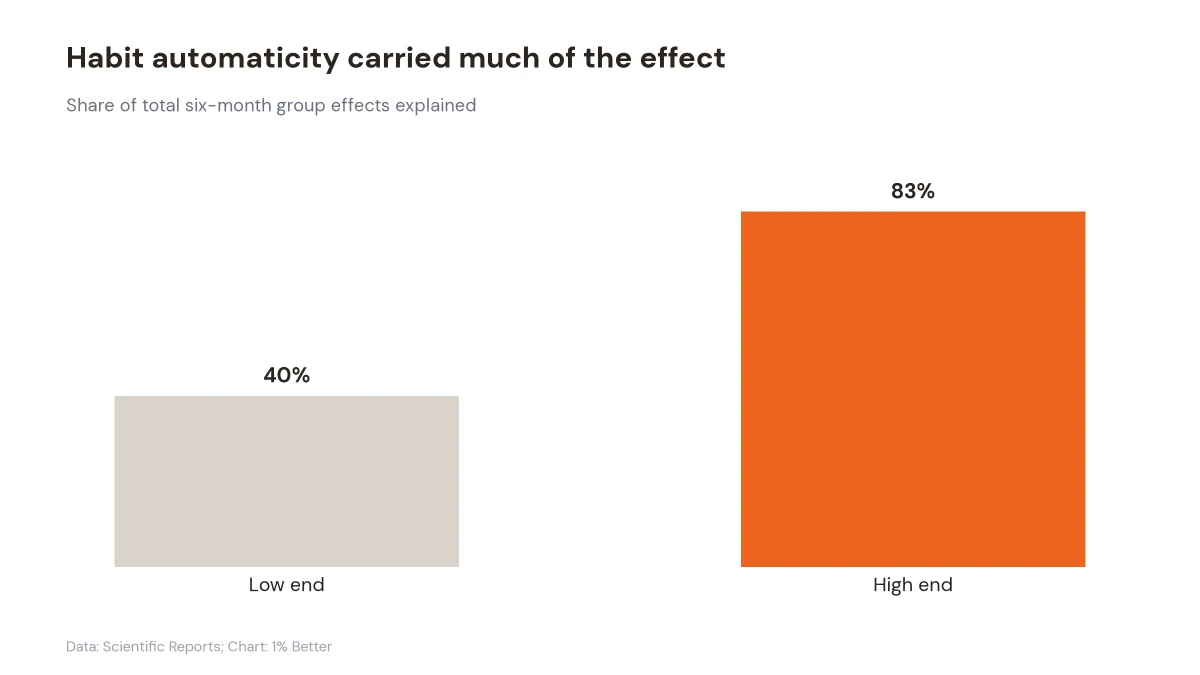
A randomized trial found that adding habit tools to a brief self-compassion practice improved adherence and six-month outcomes.
Why it matters: The 497-person study paired a single 15-minute lesson with a daily practice lasting 20 seconds or less. Stronger automaticity explained roughly 40% to 83% of the group effects, suggesting that cue and routine design can make tiny well-being behaviors more durable.
Self-Improvement
Growth mindset tracks with exercise persistence
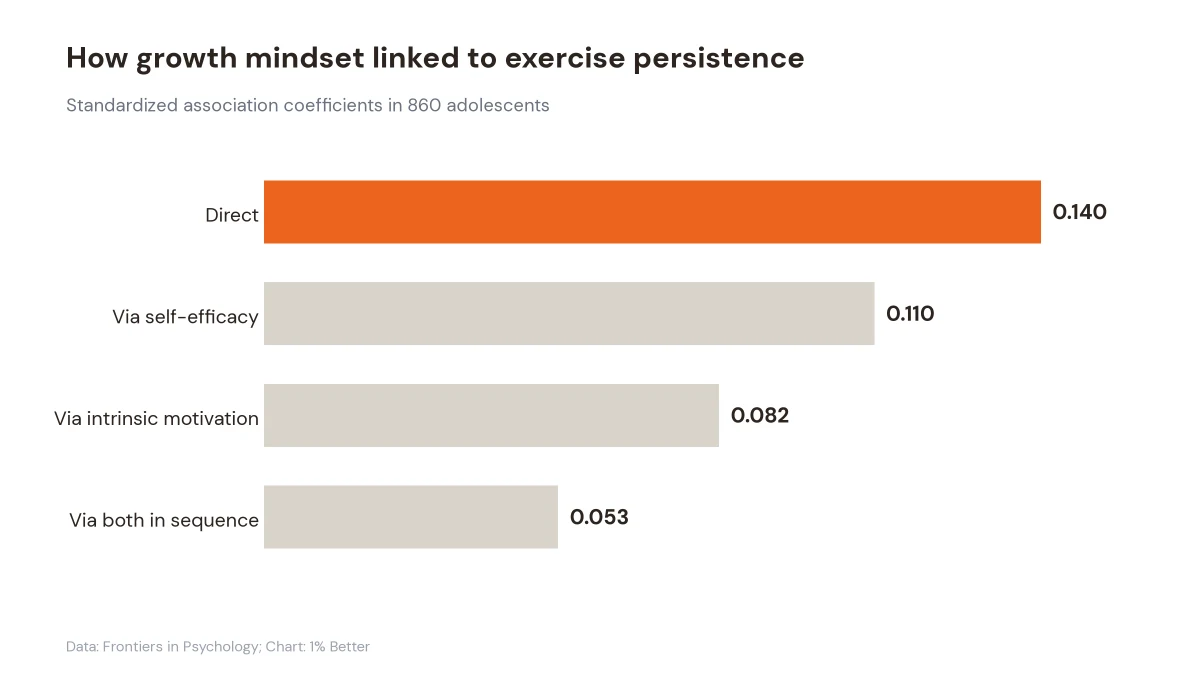
A study of 860 adolescents linked growth mindset to exercise persistence through confidence, intrinsic motivation, and a supportive climate.
Why it matters: Three indirect paths accounted for 63.6% of the observed association, and the mindset-to-confidence link was nearly twice as strong in mastery-oriented settings. The data are correlational, yet they point to a practical pairing: build belief in improvement and shape the environment around it.
Business & Money
Financial confidence widens across generations
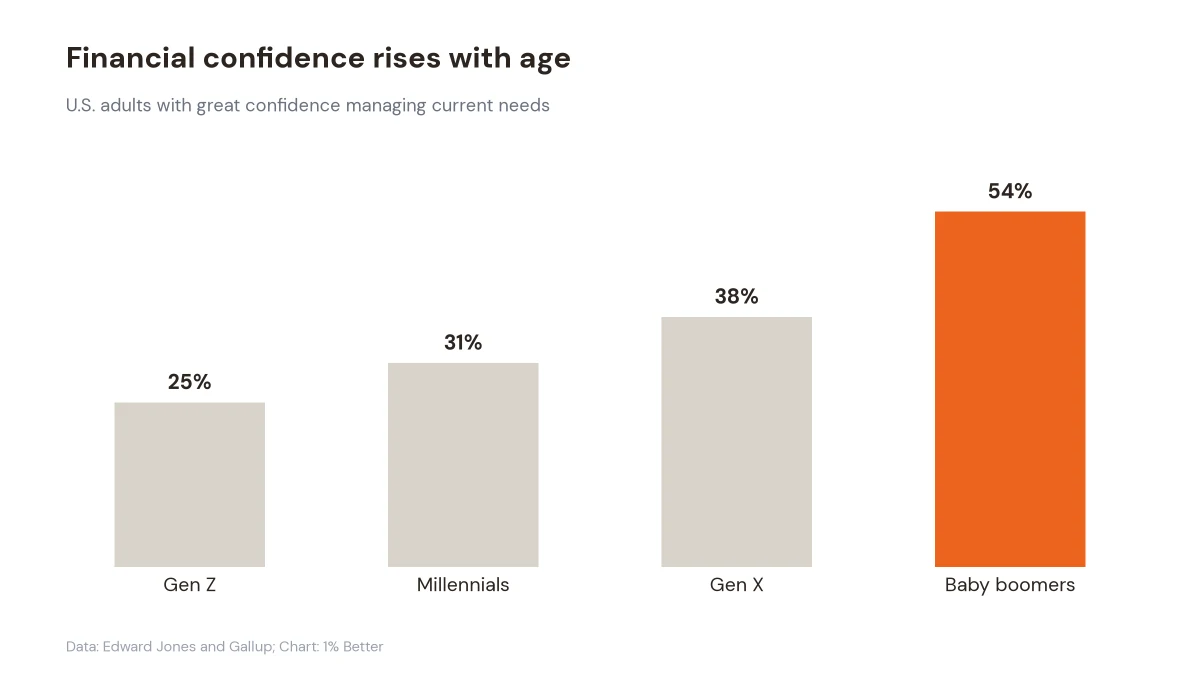
Gallup found 54% of American baby boomers feel highly confident managing current financial needs, versus 25% of Gen Z.
Why it matters: Younger adults also report more financial stress and put greater priority on raising income and building wealth. The survey of more than 7,000 adults in the United States and Canada shows that present-day confidence can rise with age even as long-term uncertainty remains broad.
Business & Money
CEO confidence reaches a four-year high
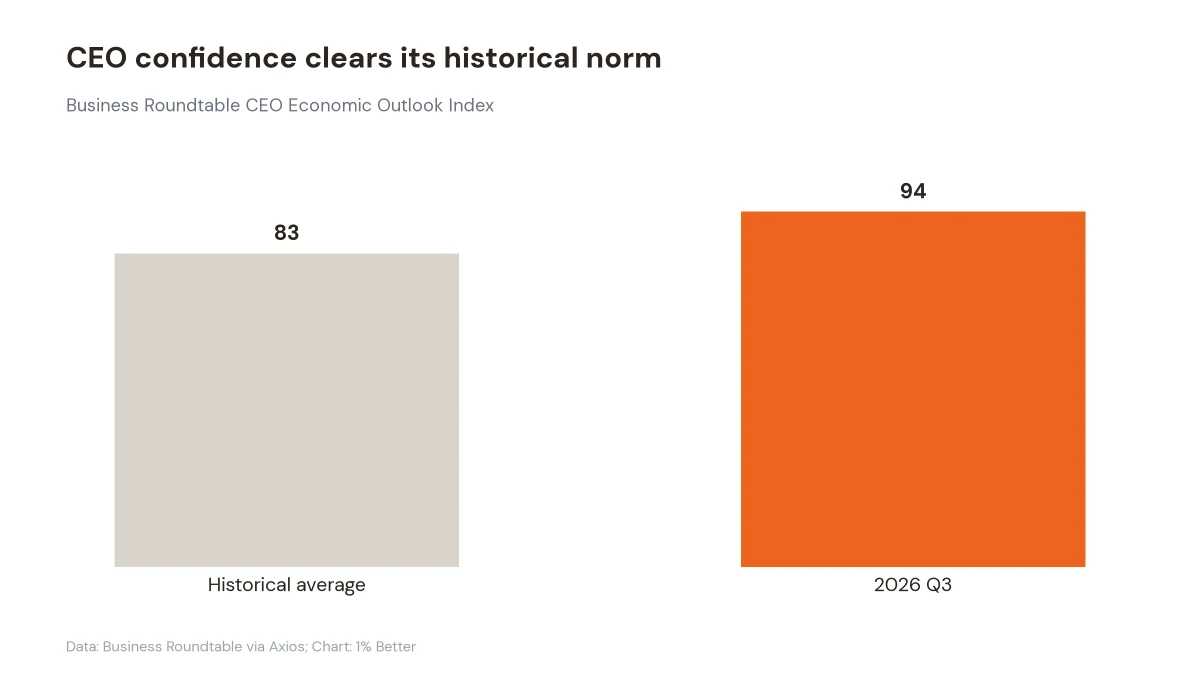
The Business Roundtable’s CEO Economic Outlook Index rose three points to 94, its fifth straight increase and highest reading since 2022.
Why it matters: The index now sits 11 points above its historical average, while the hiring component jumped seven points to 58. Big-company leaders are signaling more appetite for investment and workers even as consumer sentiment stays deeply subdued.
Productivity
Broken meeting tech is draining productivity
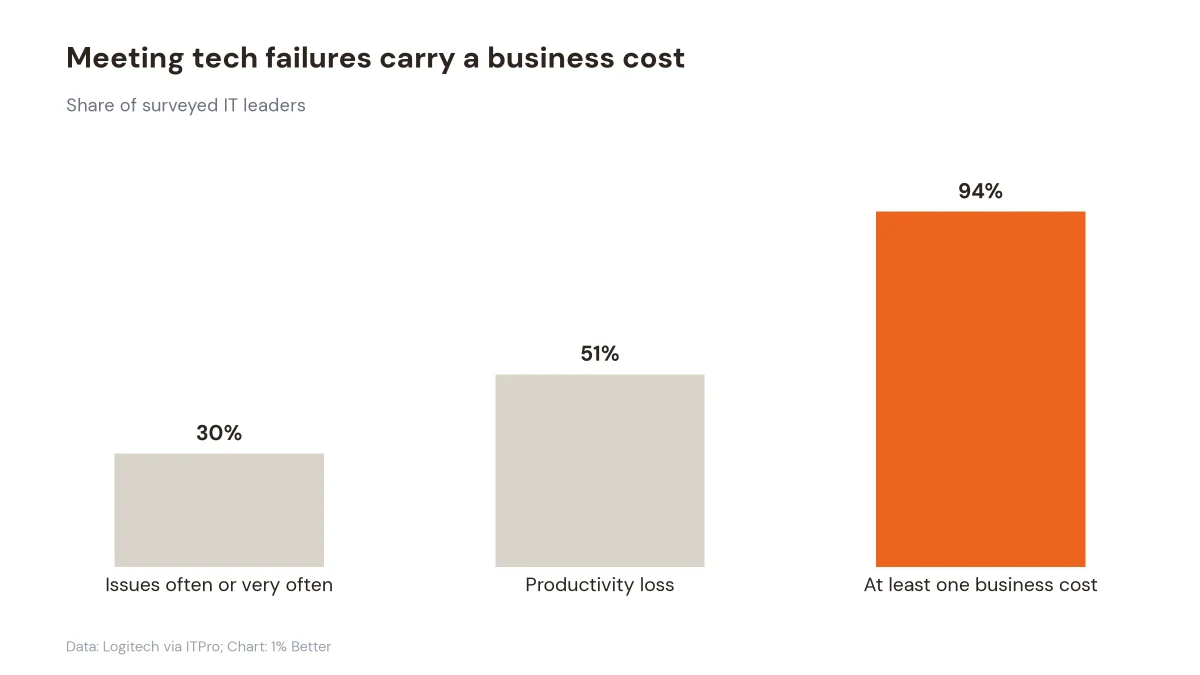
A workplace technology survey found 94% of IT leaders saw at least one business cost from meeting glitches and 51% cited lost productivity.
Why it matters: Audio failures and dropped connections turn routine collaboration into support work and wasted time. Just 29% of respondents treated workplace experience as a core business strategy, leaving a clear operational gap for leaders to close.