Daily Brief: September 19, 2026
Today: an eight-hour eating window leads on weight loss, workplace AI spreads unevenly, mortgage rates approach 7%, and higher yields keep markets unsettled.
1% Better EditorialFresh research points to practical choices around eating, sleep, AI governance, and judgment, while higher borrowing costs reshape the money outlook.
Health & Science
An eight-hour eating window leads on weight loss
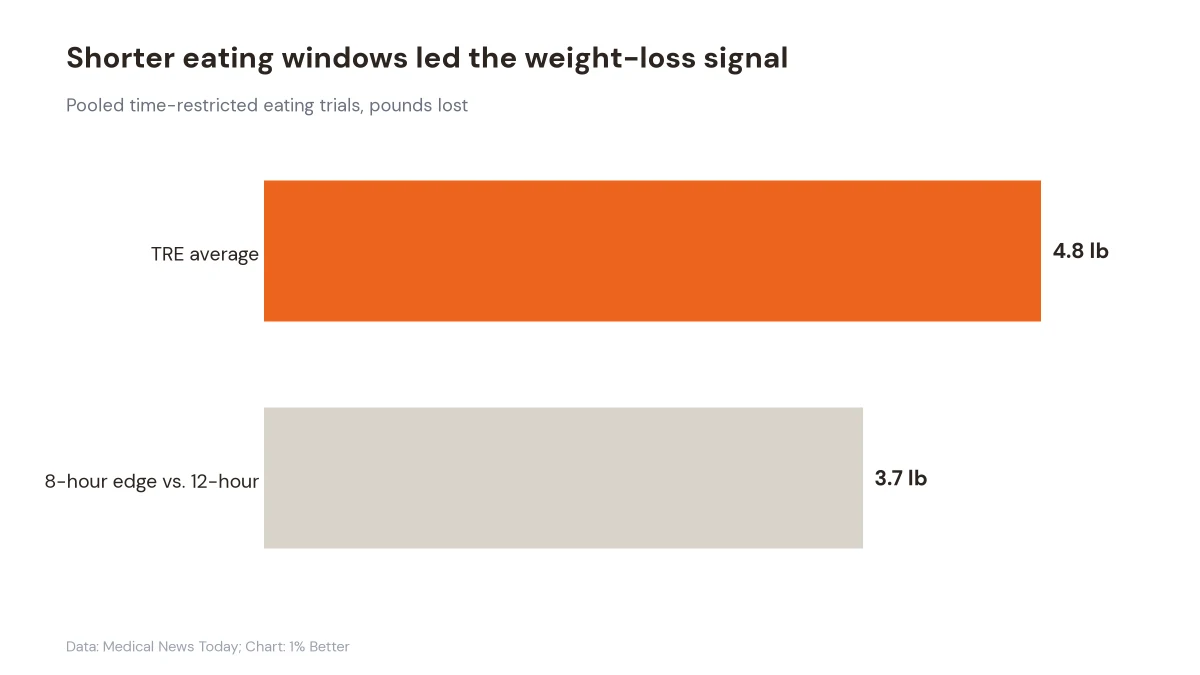
A pooled analysis found that time-restricted eaters lost 4.8 pounds on average, with the eight-hour group outperforming the 12-hour group.
Why it matters: The shorter window produced the clearest weight-loss signal, but the study was small and cardiometabolic benefits were inconsistent. Anyone with diabetes, hypoglycemia, an eating-disorder history, or pregnancy considerations should consult a clinician first.
Health & Science
REM sleep is linked to lower risk across 83 diseases
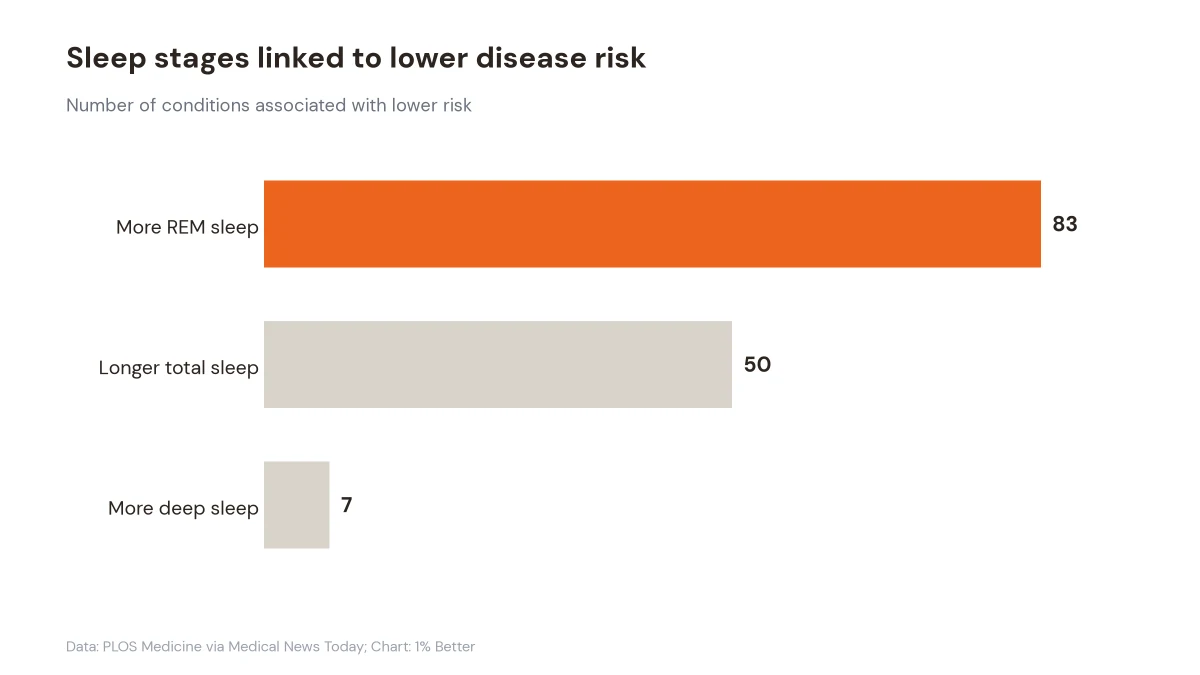
Wrist-tracker data from 95,559 adults tied more REM sleep to lower risk across 83 diseases and more deep sleep to lower risk across seven.
Why it matters: Sleep quality and sleep stages may reveal health signals that total hours alone miss. The observational study cannot establish cause, but its nearly nine-year follow-up strengthens the case for consistent, high-quality sleep.
Productivity
Workplace AI adoption rises slowly and unevenly
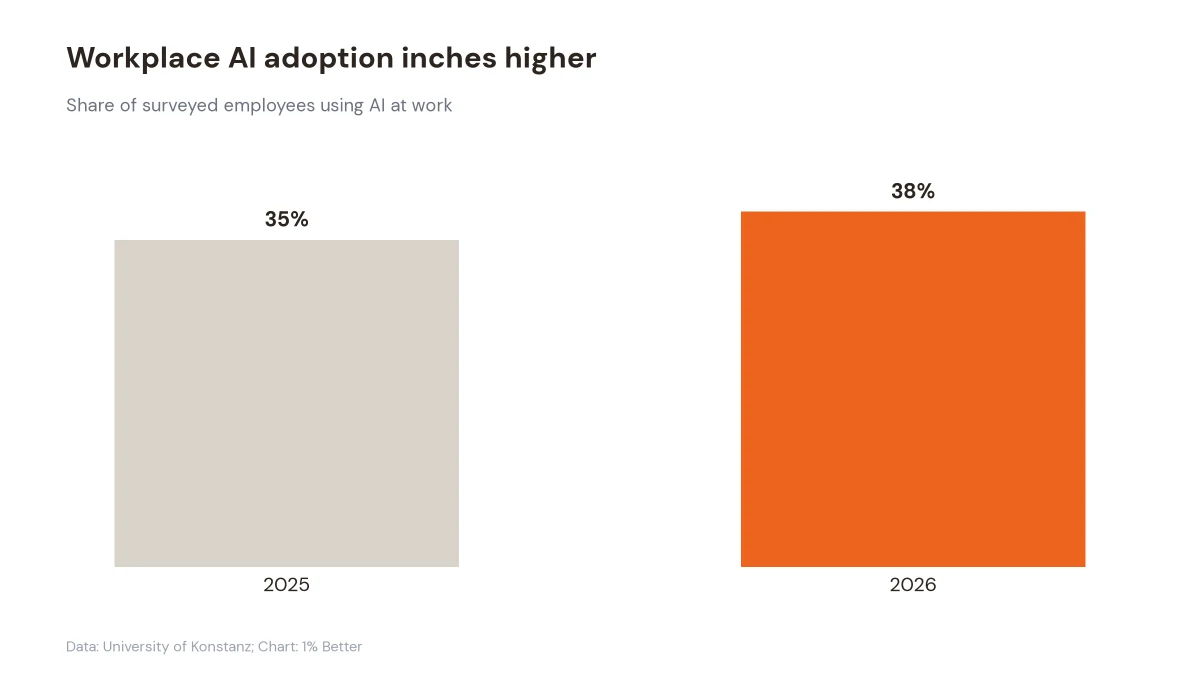
A survey of 1,105 German employees found workplace AI use rose from 35% to 38% in a year, with sharp gaps by job type and education.
Why it matters: Employee experimentation is outrunning company strategy: only 55% of users said their main AI tool was officially introduced by their employer. Clear rules, secure tools, and practical training are becoming core productivity infrastructure.
Productivity
Shadow AI turns productivity gains into a data risk
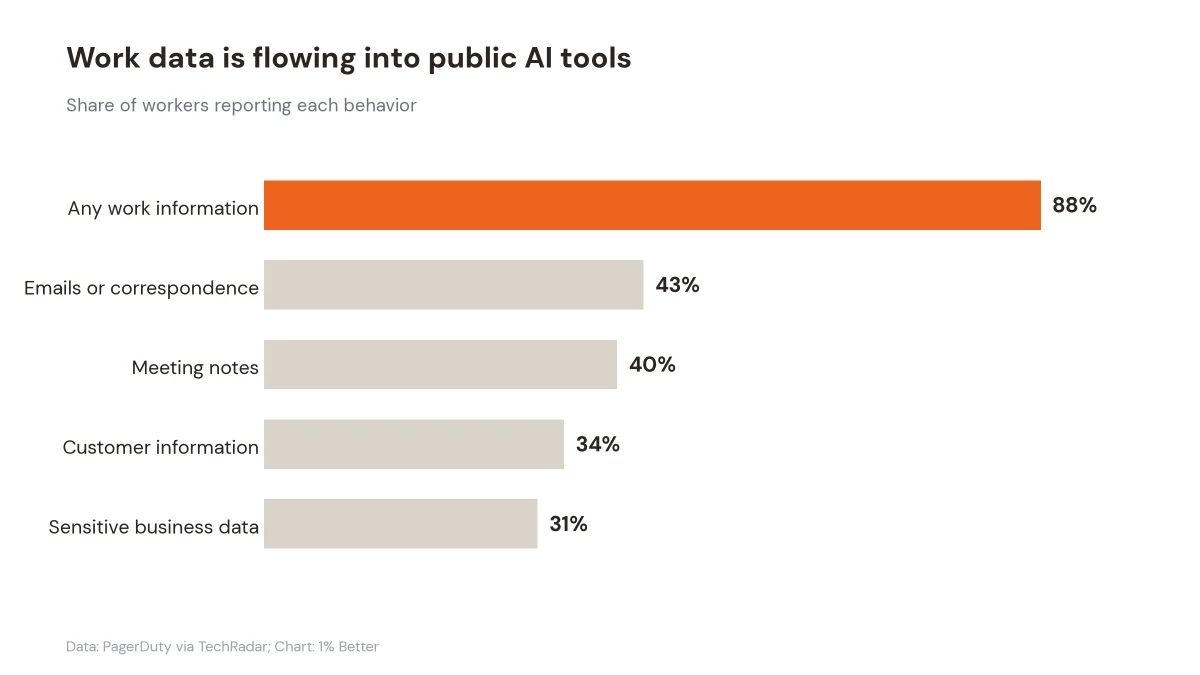
Two-thirds of 25,000 UK workers have used generative AI for work, and nearly one-third of those users keep that activity from their employer.
Why it matters: Speed gains come with governance exposure: a separate survey cited in the report found 88% had shared work information with public AI systems. Companies can reduce risk by making approved tools as useful and accessible as consumer options.
Self-Improvement
Power makes people a quicker target for blame
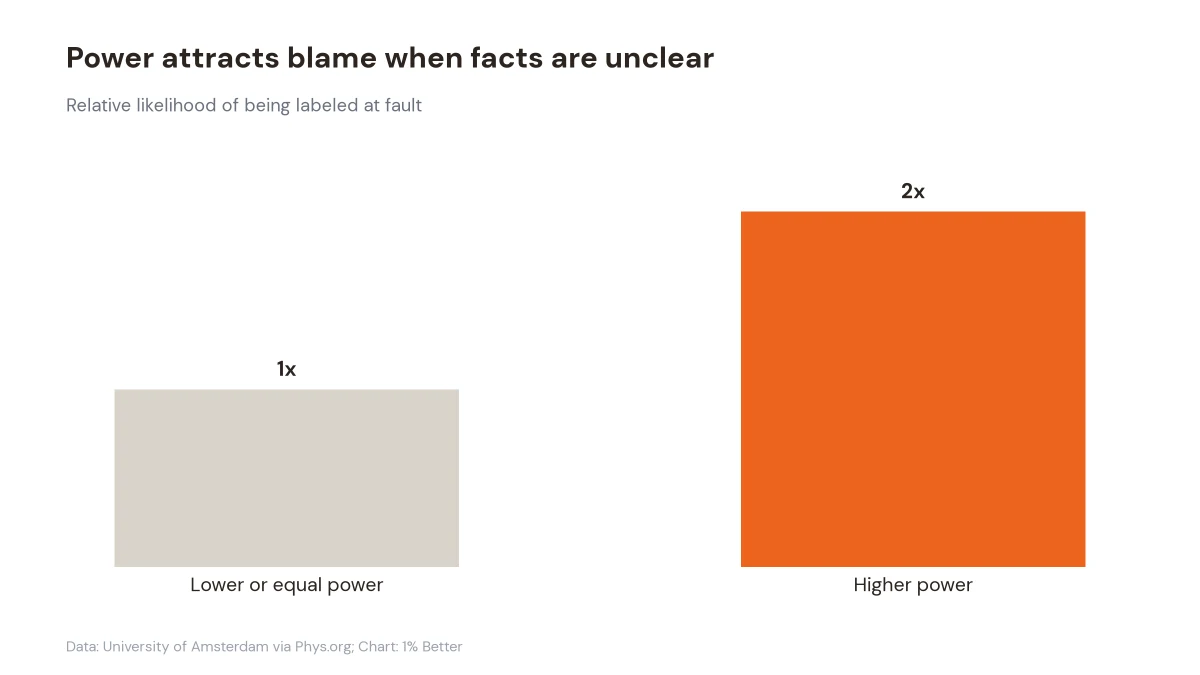
Across studies of ambiguous wrongdoing, people in higher-power roles were about twice as likely to be labeled at fault as other participants.
Why it matters: Status can trigger a mental shortcut: observers may infer that powerful people expect to escape consequences. Recognizing that reflex can improve judgment in workplace conflicts, public debate, and other high-stakes decisions.
Business & Money
Stocks finish mixed as the 10-year yield reaches 5%
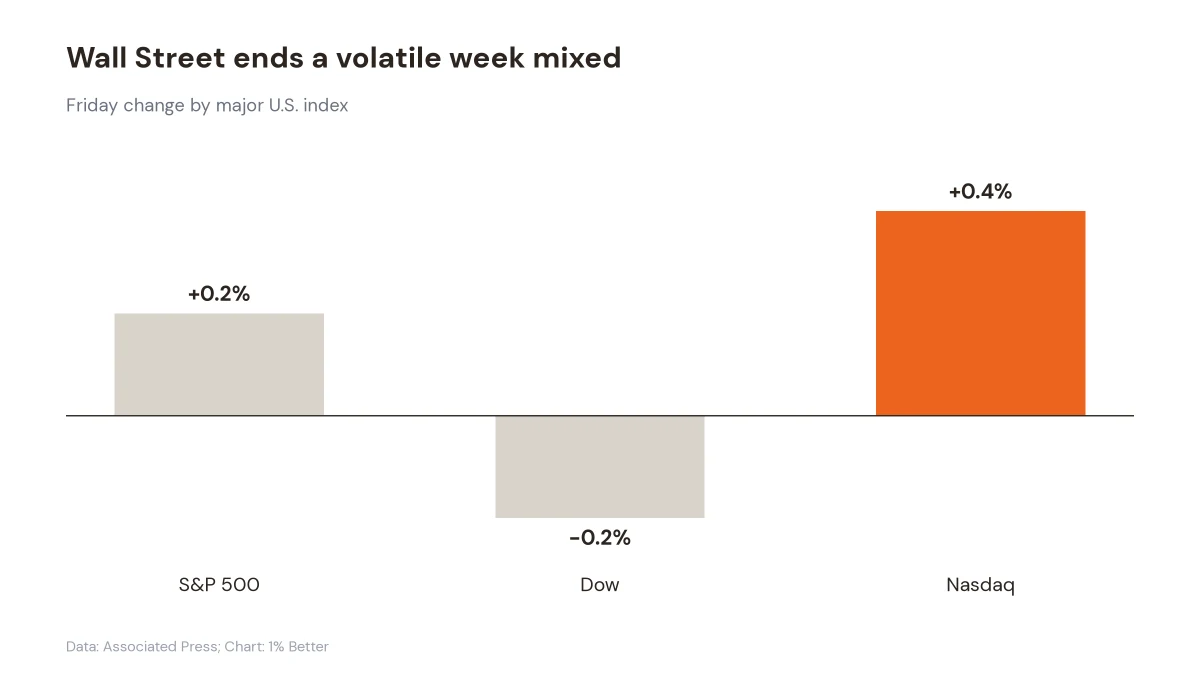
The S&P 500 gained 0.2%, the Dow slipped 0.2%, and the Nasdaq added 0.4% as higher bond yields and oil prices pressured markets.
Why it matters: A 5% Treasury yield raises the cost of financing homes, companies, and major AI infrastructure while making bonds more competitive with stocks. That combination can cool spending and compress equity valuations.
Business & Money
Mortgage rates climb to 6.95% and squeeze buyers
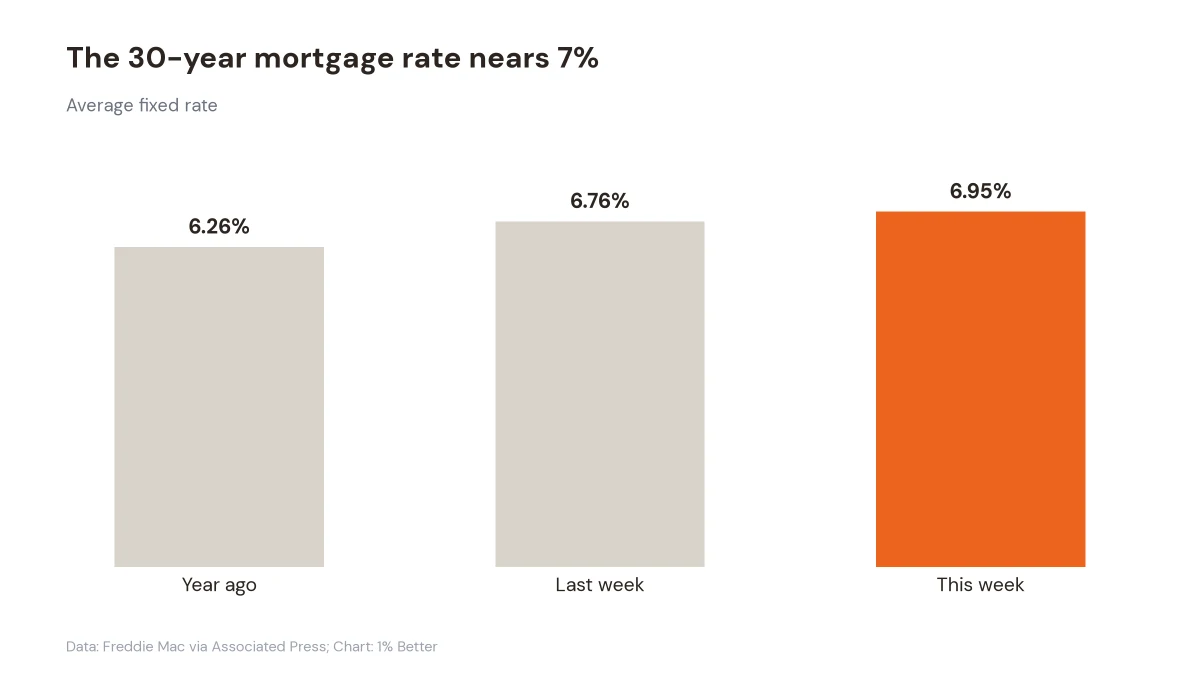
The average 30-year fixed mortgage rate rose to 6.95%, its highest level in more than 19 months and the fourth weekly increase in a row.
Why it matters: The rise from 5.98% in late February adds roughly $255 a month to a $400,000 loan at the current average rate. Higher payments shrink purchasing power and can keep both buyers and sellers on the sidelines.
Business & Money
Bank of Japan raises rates to a 31-year high
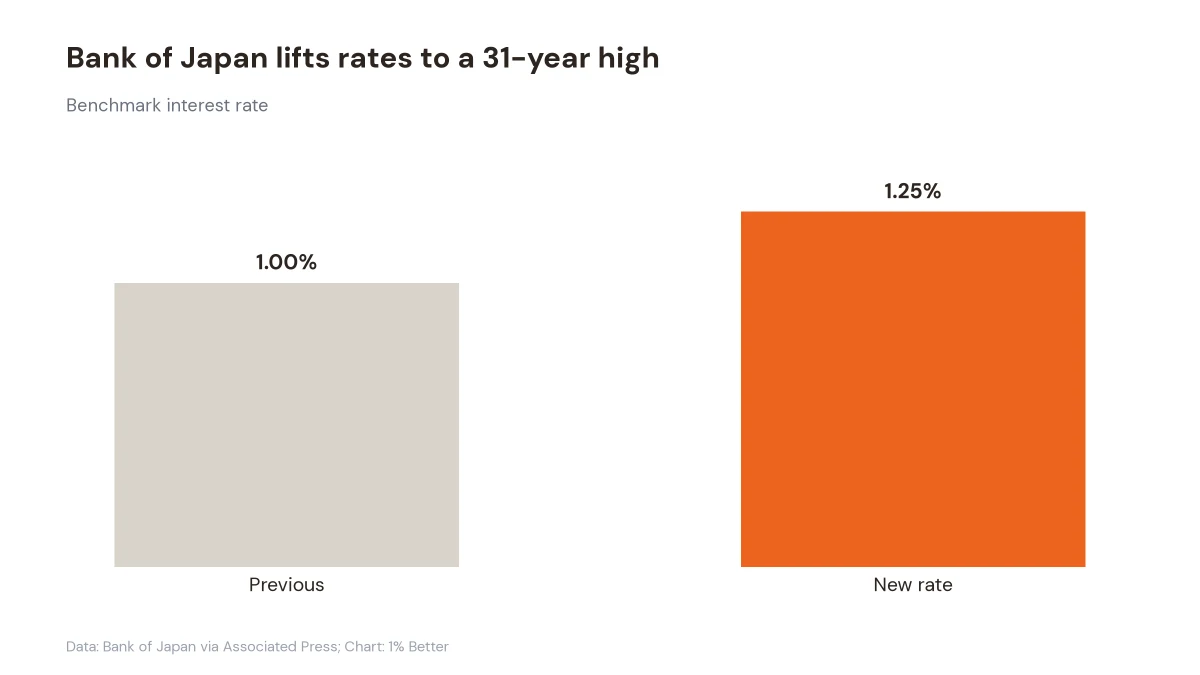
Japan's central bank lifted its benchmark rate from 1.00% to 1.25%, reaching the highest level in 31 years as it continues policy normalization.
Why it matters: Japan is moving further from decades of near-zero borrowing costs while elevated oil prices threaten fresh inflation. Higher Japanese yields can ripple through currencies, bonds, and global capital flows.