Daily Brief: September 17, 2026
The Fed raises rates, shoppers rebound, AI changes daily work, and new research sharpens the case for earlier diagnosis and kinder self-talk.
1% Better EditorialBusiness & Money
The Fed raises rates for the first time in three years
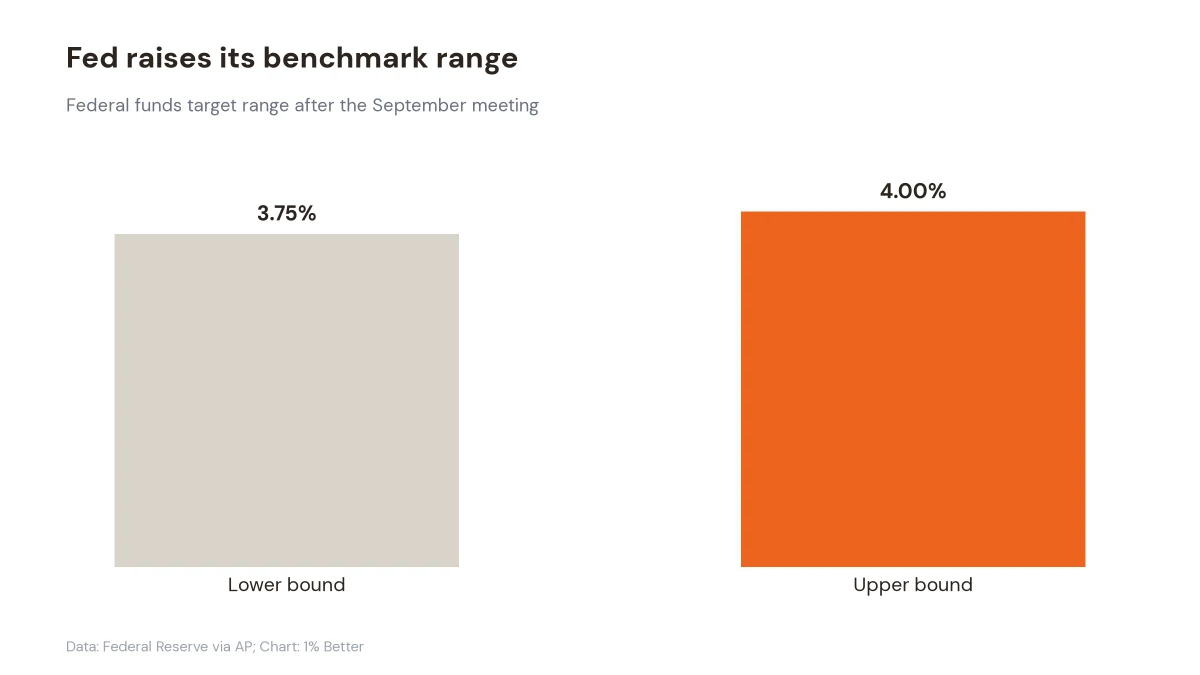
The Federal Reserve lifted its benchmark rate by a quarter point to a 3.75% to 4% range as inflation stayed stubbornly high.
Why it matters: Borrowing costs for mortgages, car loans, and credit cards could rise over time. With most policymakers projecting at least one more increase this year, households and businesses face a longer stretch of expensive money.
Business & Money
American shoppers roar back with a 1.2% August gain
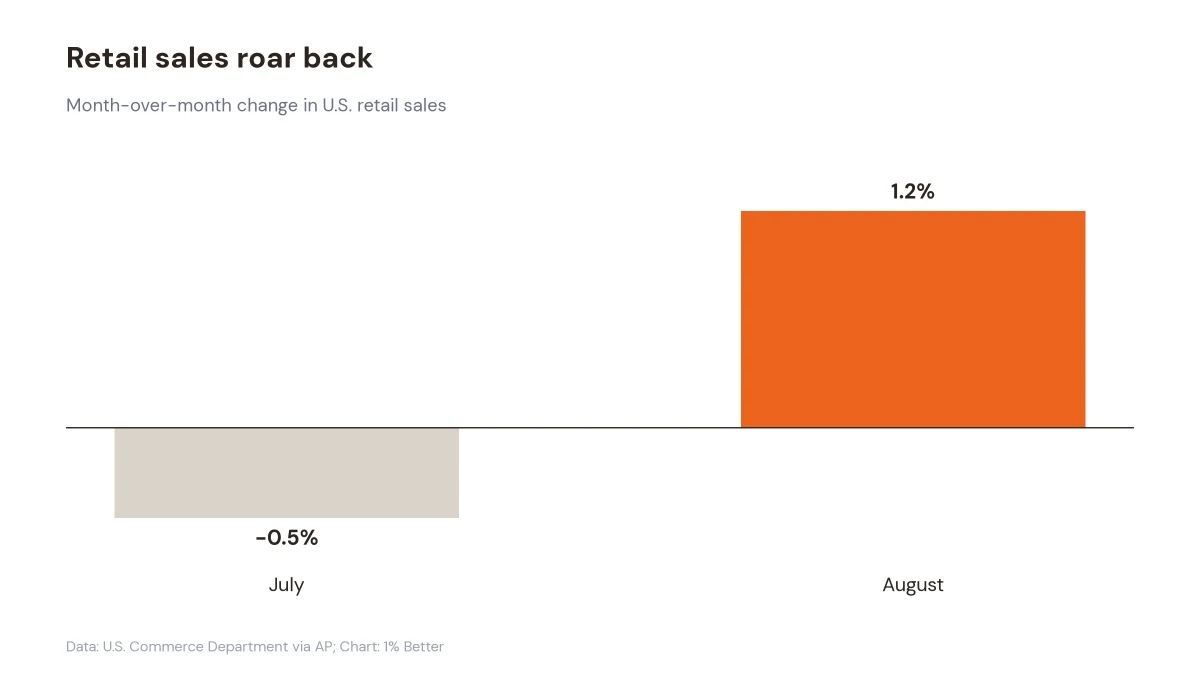
Retail sales climbed 1.2% in August after a revised 0.5% July decline, beating economists' forecast for a 0.7% gain.
Why it matters: The rebound shows consumers are still powering the economy even as fuel and borrowing costs climb. Sales excluding gas stations rose 1.1%, while the report's figures remained unadjusted for inflation.
Productivity
AI scribes cut doctors' documentation share by 69%
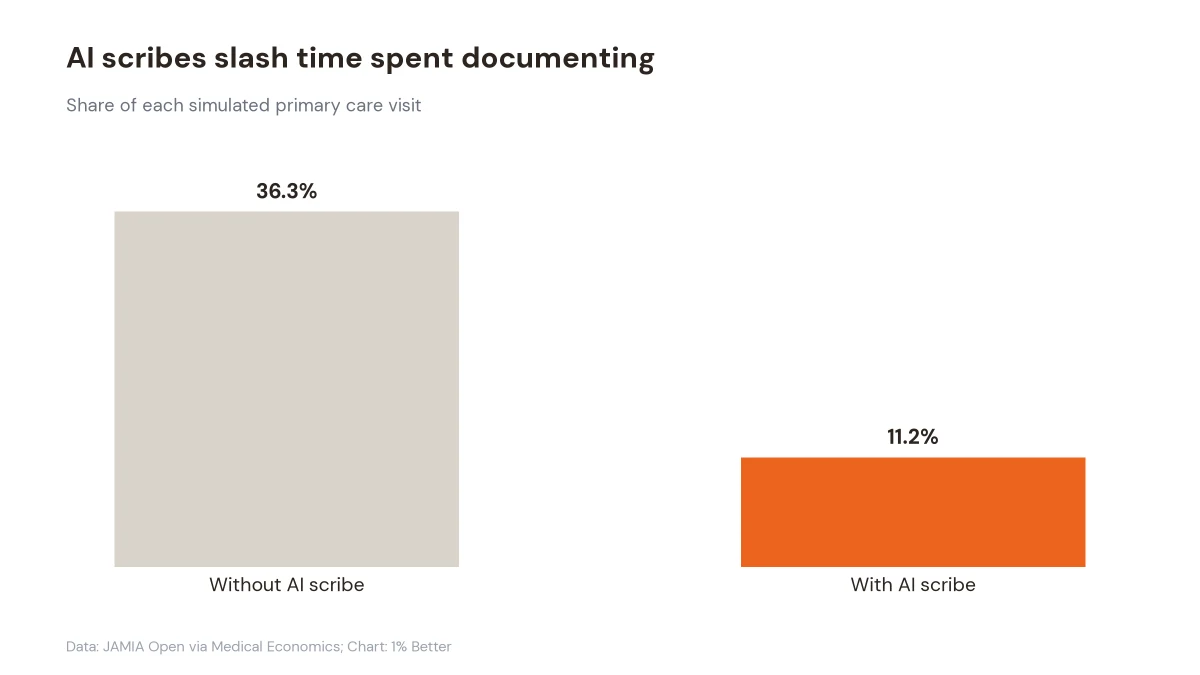
In simulated primary care visits, AI scribes reduced documentation from 36.3% of each encounter to 11.2%.
Why it matters: The tools shifted time away from typing, but total visit length stayed roughly the same and physicians still had to review each note. The result points to more patient attention, paired with an ongoing need for quality checks and clinician accountability.
Productivity
Google turns team know-how into reusable Workspace skills

Google introduced collaborative Workspace skills that package a team's rules, templates, and reference files into reusable Gemini prompts.
Why it matters: Teams can build and review a skill together in Docs, then use it across Workspace for repeatable jobs such as invoice checks, proposal formatting, and status updates. The launch moves institutional knowledge from scattered instructions into shared automation.
Health & Science
Long COVID symptoms show a striking overlap with POTS
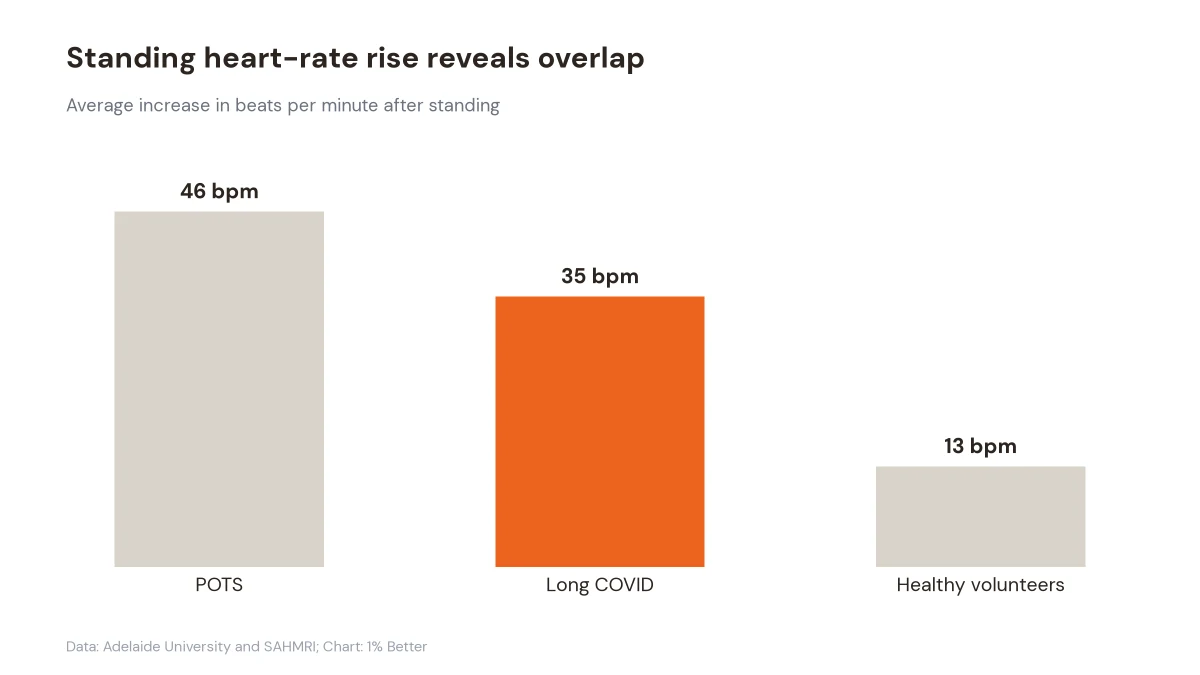
An Adelaide University study found that 62.5% of its Long COVID participants also met the diagnostic criteria for POTS.
Why it matters: A simple standing test could give clinicians another route to explain dizziness, fatigue, brain fog, and a racing heart. Average heart rates rose 35 beats per minute after standing in the Long COVID group, compared with 13 in healthy volunteers.
Health & Science
Earlier menopause hormone therapy tracks with lower heart risk
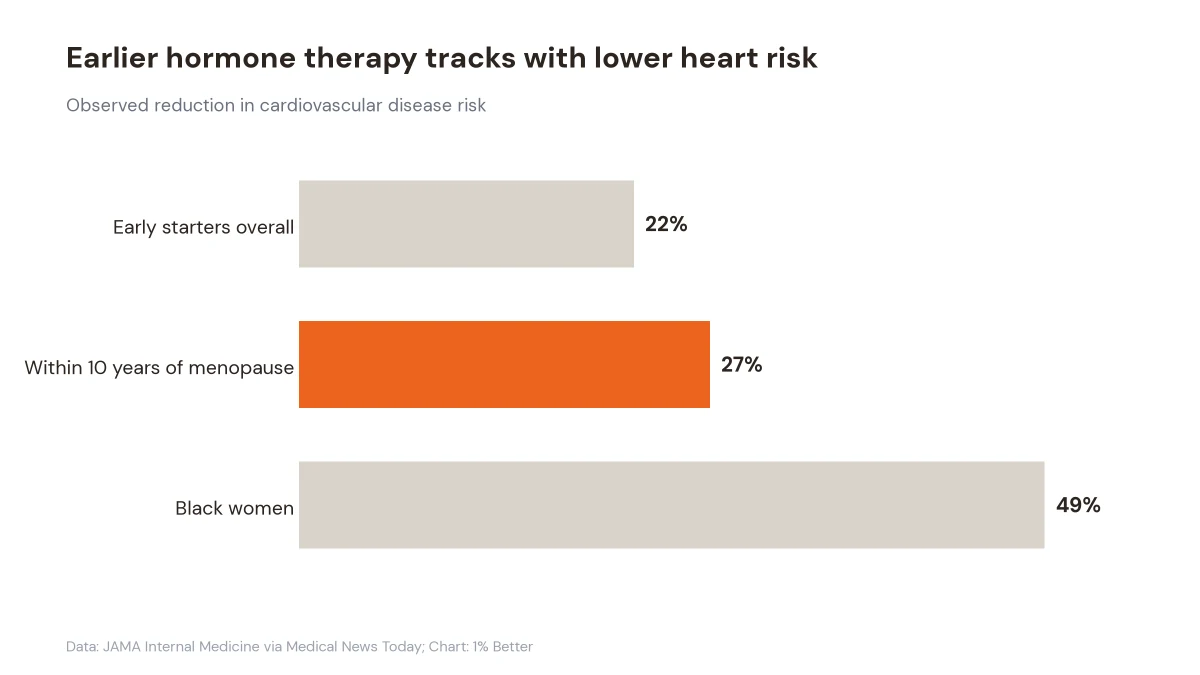
Women who began hormone therapy during perimenopause or early postmenopause had a 22% lower cardiovascular disease risk in a new observational study.
Why it matters: Timing may shape the therapy's cardiovascular effects, with a 27% reduction among women who started within 10 years of menopause onset. Researchers cautioned that the study used self-reported data and needs confirmation in clinical trials.
Self-Improvement
A memory exercise may help rebuild self-esteem

Psychologist Marisa Franco says revisiting painful memories with present-day reassurance can help loosen their grip on self-worth.
Why it matters: The practice draws on memory reconsolidation, the idea that recalled memories can be updated before they are stored again. Treating an earlier version of yourself with care can turn self-esteem into a skill that strengthens through deliberate practice.
Self-Improvement
Self-compassion emerges as a mental health multiplier

A survey of more than 1,200 Canadians linked high self-compassion with less anxiety and depression and greater overall well-being.
Why it matters: Compassion for other people offered weaker protection when participants treated themselves harshly. The strongest profile combined care for self, others, and animals, suggesting that sustainable kindness includes the person giving it.