Daily Brief: September 16, 2026
Today: semaglutide extends mouse lifespan, tiny habits strengthen self compassion, workplace friction drains output, and markets brace for the Fed.
1% Better EditorialHealth & Science
Semaglutide extends lifespan in older female mice
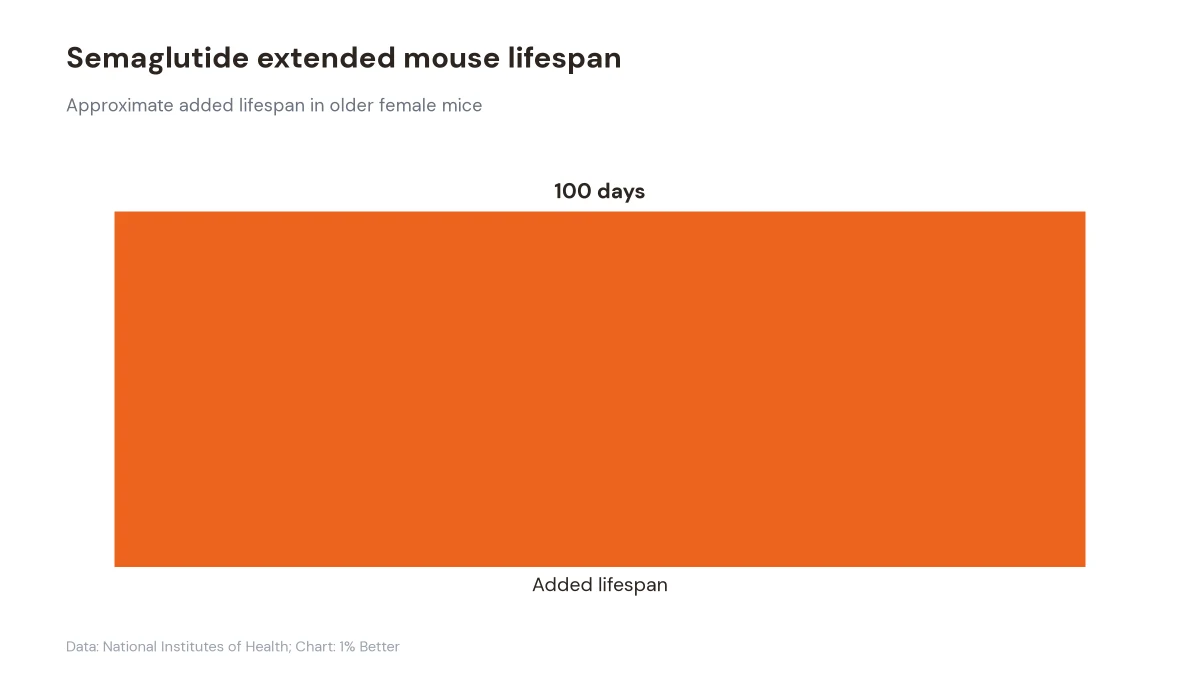
Older female mice given semaglutide lived about 100 days longer and showed stronger physical and cognitive function than untreated mice.
Why it matters: The NIH funded findings suggest GLP 1 drugs may influence biological aging through mechanisms beyond eating less. Human studies are still needed before researchers can translate the result into longevity care.
Health & Science
Depression study maps a stall in new neuron development
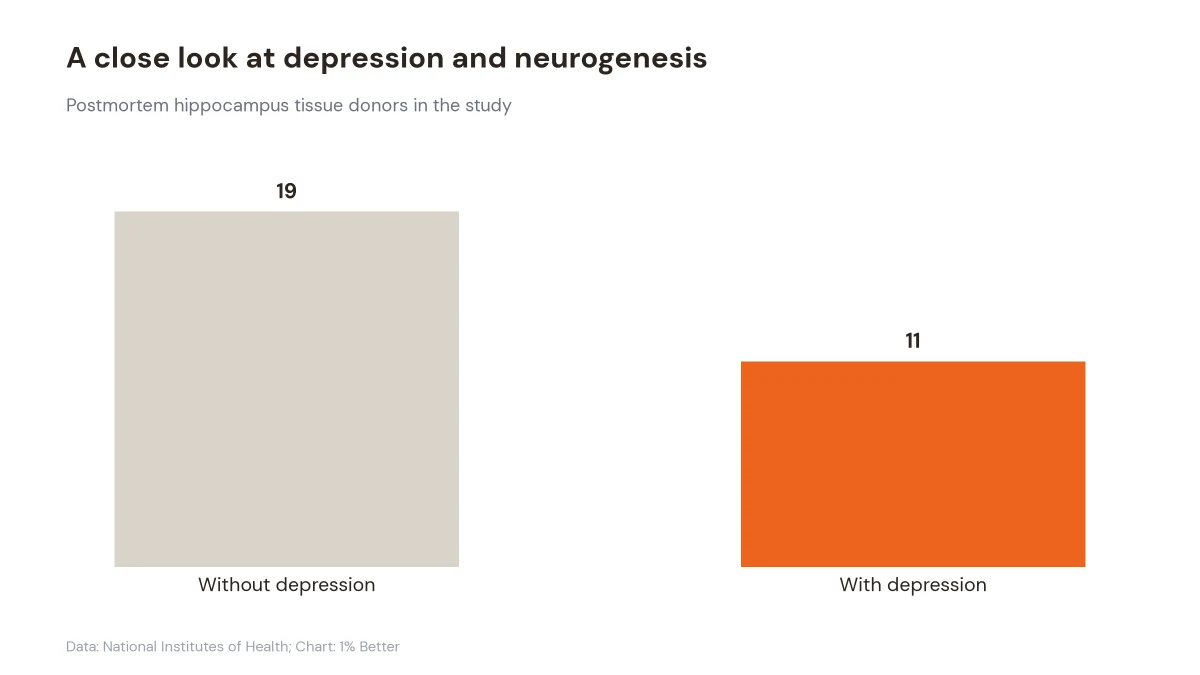
Brain tissue from people with depression held more neural stem cells but fewer intermediate cells on the path toward mature neurons.
Why it matters: The cellular map points to a possible bottleneck in adult hippocampal neurogenesis, a process tied to memory and adaptation. Researchers say restoring that transition could eventually inspire more precise treatments.
Health & Science
Rare antibodies show promise against alpha gal syndrome
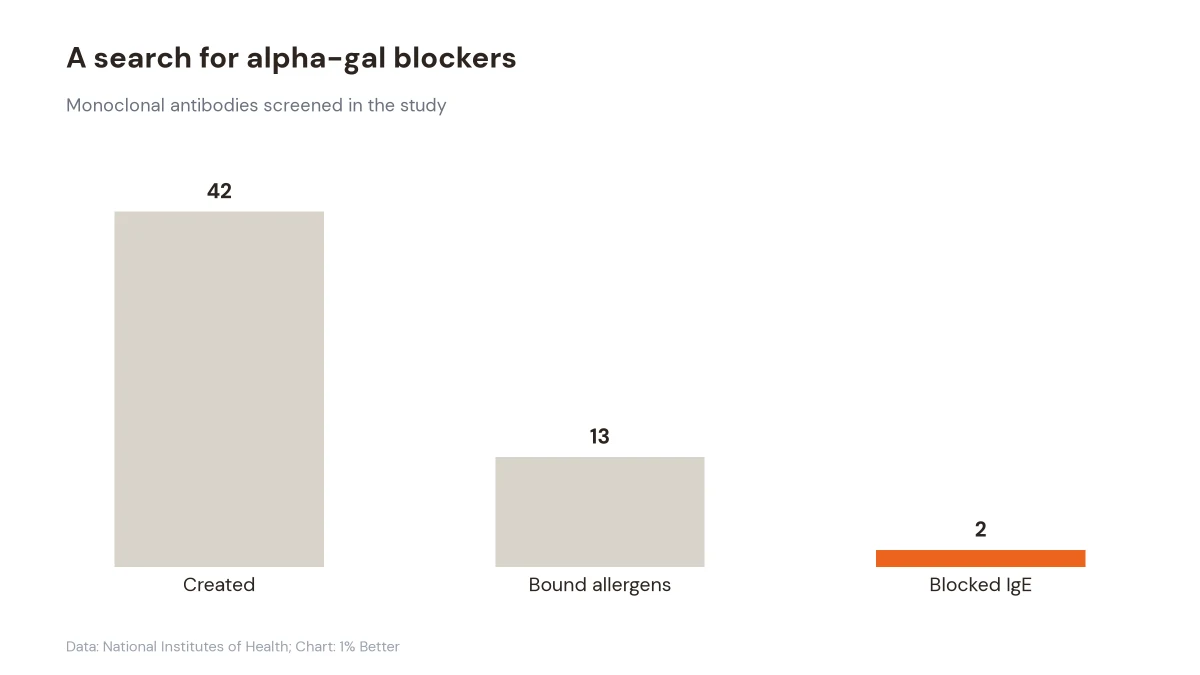
Researchers identified two monoclonal antibodies that blocked allergy related IgE from attaching to alpha gal allergens in laboratory tests.
Why it matters: Alpha gal syndrome can trigger severe reactions to red meat and dairy after certain tick bites, and avoidance is currently the main defense. The antibody approach opens a potential path toward targeted prevention or treatment.
Self-Improvement
Habit cues make a 20 second self compassion practice stick
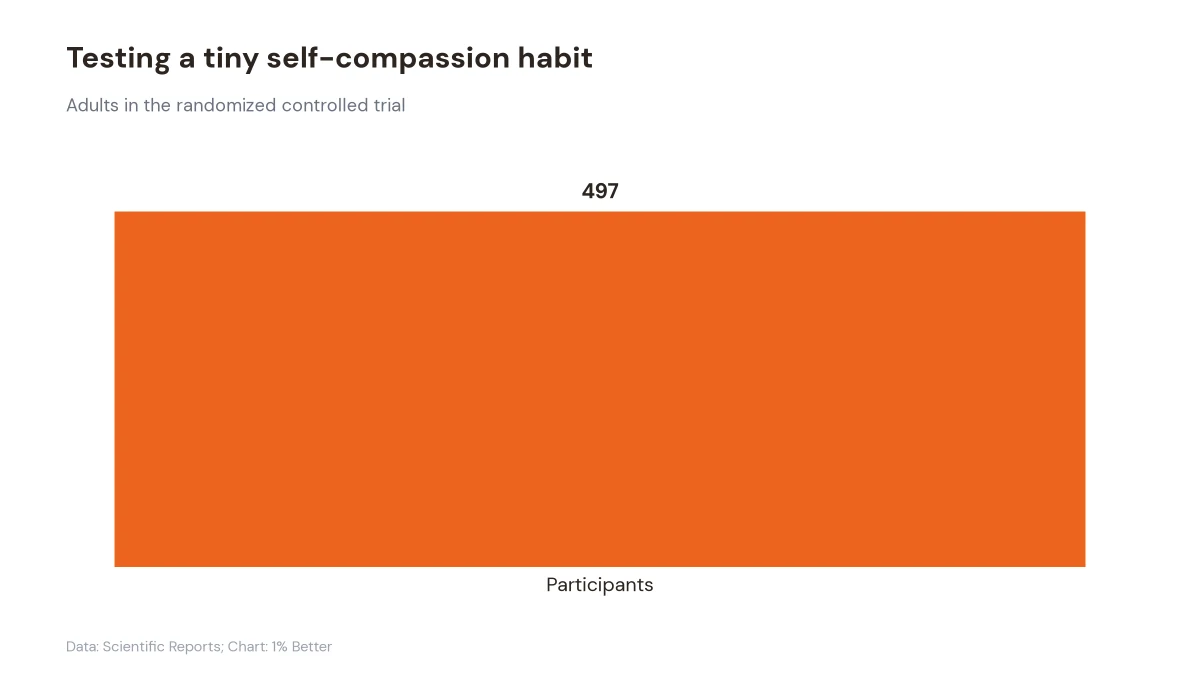
A randomized trial found that habit building tools helped adults sustain a daily self compassion touch practice and improve mental health outcomes.
Why it matters: The intervention took one 15 minute online session and promoted a practice lasting 20 seconds or less each day. Its gains remained visible at six months, suggesting that tiny routines can become durable when cues and repetition are designed in.
Self-Improvement
Well timed exercise prompts lift movement and well being
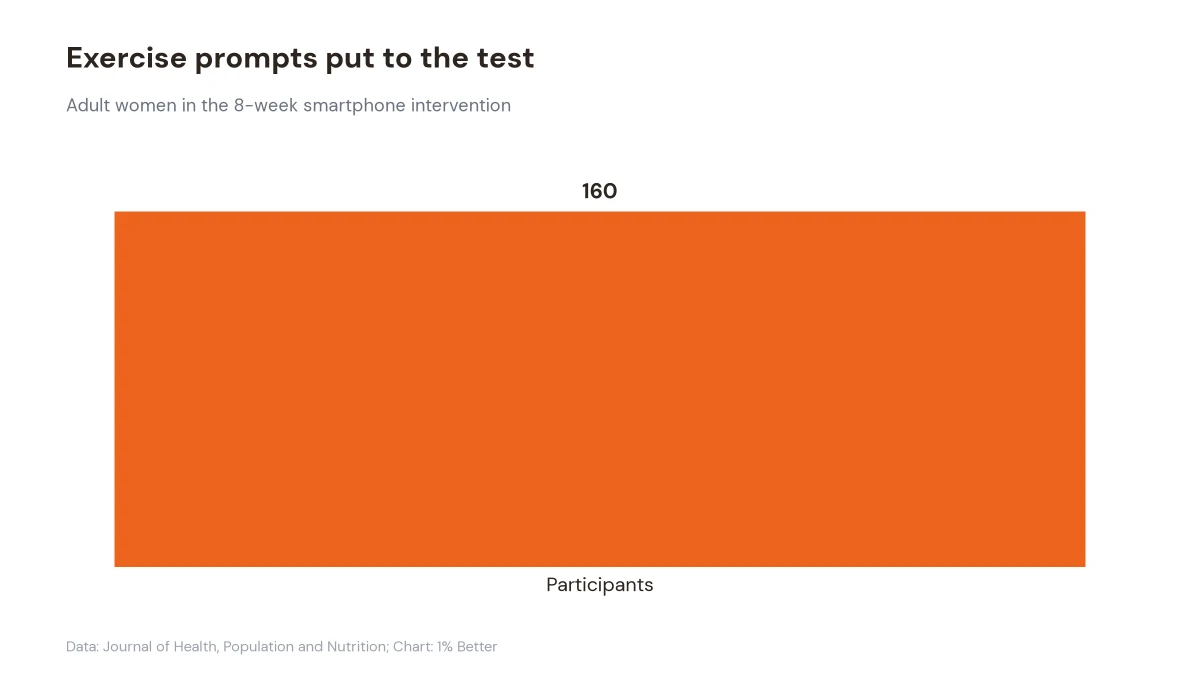
Smartphone prompts increased steps, interrupted sedentary time, and supported gains in life satisfaction during an eight week trial.
Why it matters: The study suggests timing matters as much as intention when building an exercise routine. Adaptive nudges tied to moments when a person can act may turn small bursts of movement into steadier behavior and stronger well being.
Productivity
Fragmented workplace ownership is draining productivity
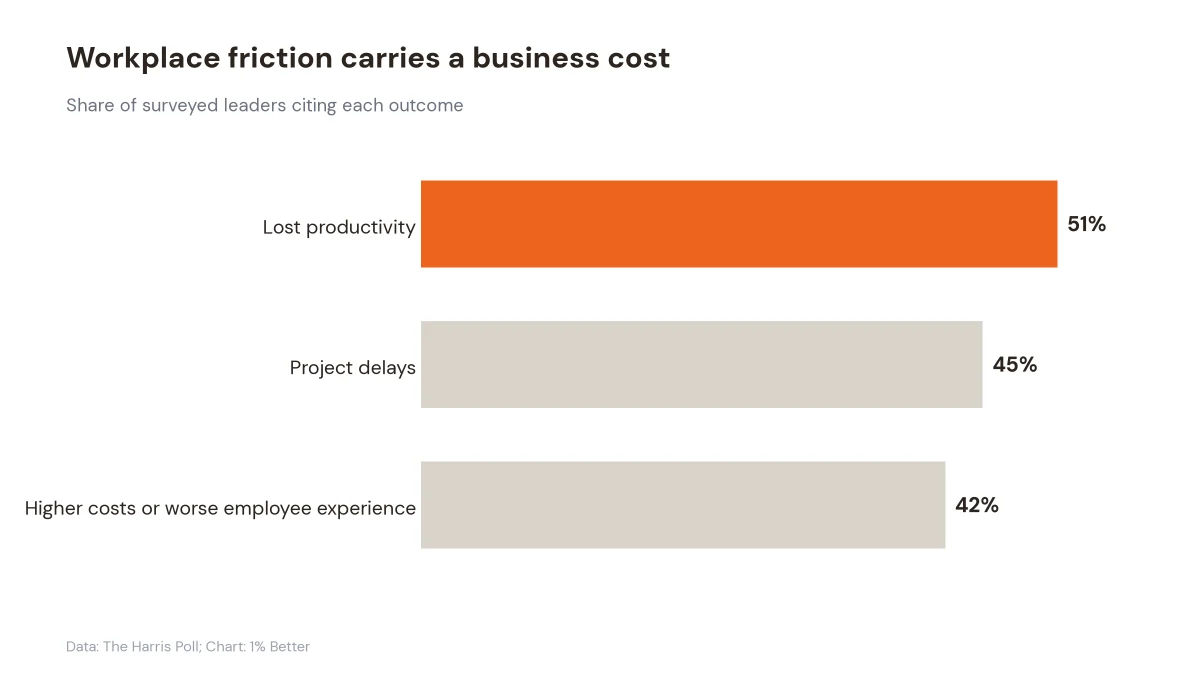
A Harris Poll study found that 94% of leaders saw workplace experience fail the business at some point, with 51% citing lost productivity.
Why it matters: HR, IT, facilities, and workplace teams often each claim ownership while only 34% of leaders report a unified roadmap. Clear accountability can reduce broken meeting setups, project delays, and costly friction across the workday.
Business & Money
The Federal Reserve faces a pivotal rate decision
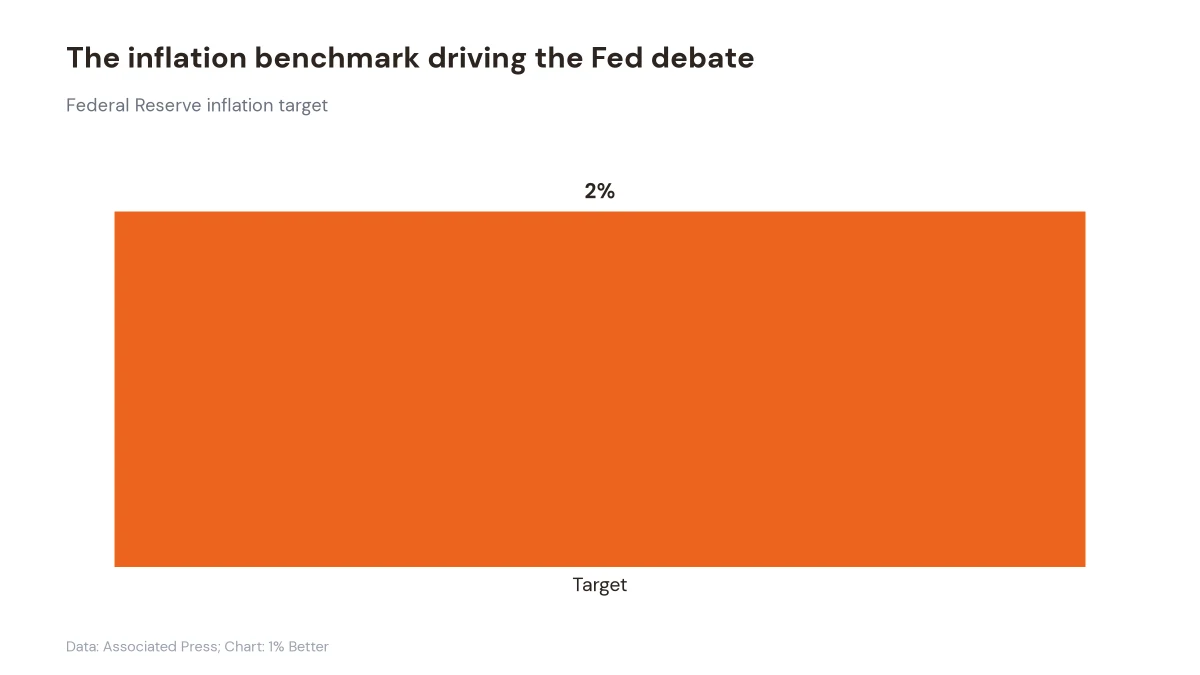
Economists expect the Federal Reserve to raise rates as stubborn inflation pushes Chair Kevin Warsh toward the first increase since 2023.
Why it matters: A hike would raise the cost of credit for households and businesses while signaling that the Fed sees inflation as the larger immediate risk. Markets will also parse Warsh's guidance for the path of borrowing costs.
Business & Money
Oil and a 5% Treasury yield squeeze Wall Street
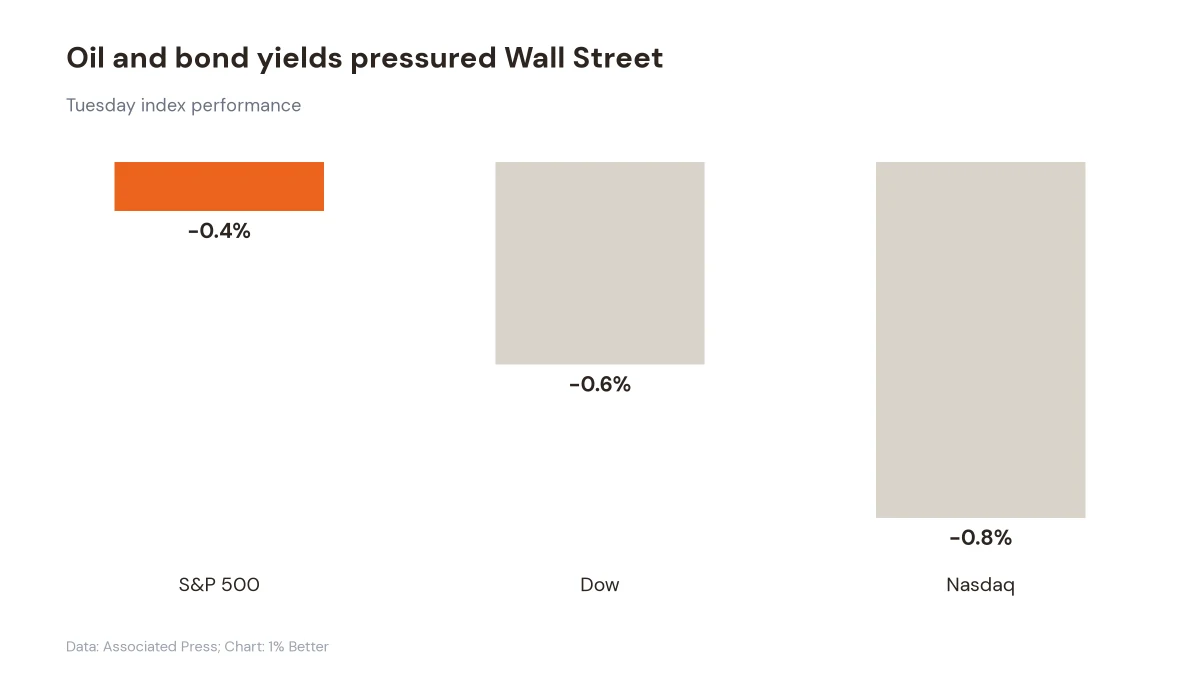
The S&P 500 fell 0.4%, the Dow lost 0.6%, and the Nasdaq dropped 0.8% as oil prices and bond yields pressured stocks.
Why it matters: The 10 year Treasury yield reached 5.00% and briefly touched 5.04%, increasing financing costs across the economy. Higher safe yields also make expensive stocks work harder to justify their valuations.