Daily Brief: September 15, 2026
Oil, rates and AI are reshaping the business day, while new research pushes brain interfaces, hormone models and student well being into sharper focus.
1% Better EditorialToday’s signal: expensive energy is tightening financial conditions as science and workplace AI keep moving from experiments toward practical systems.
Health & Science
A brain interface brings speech and gestures together
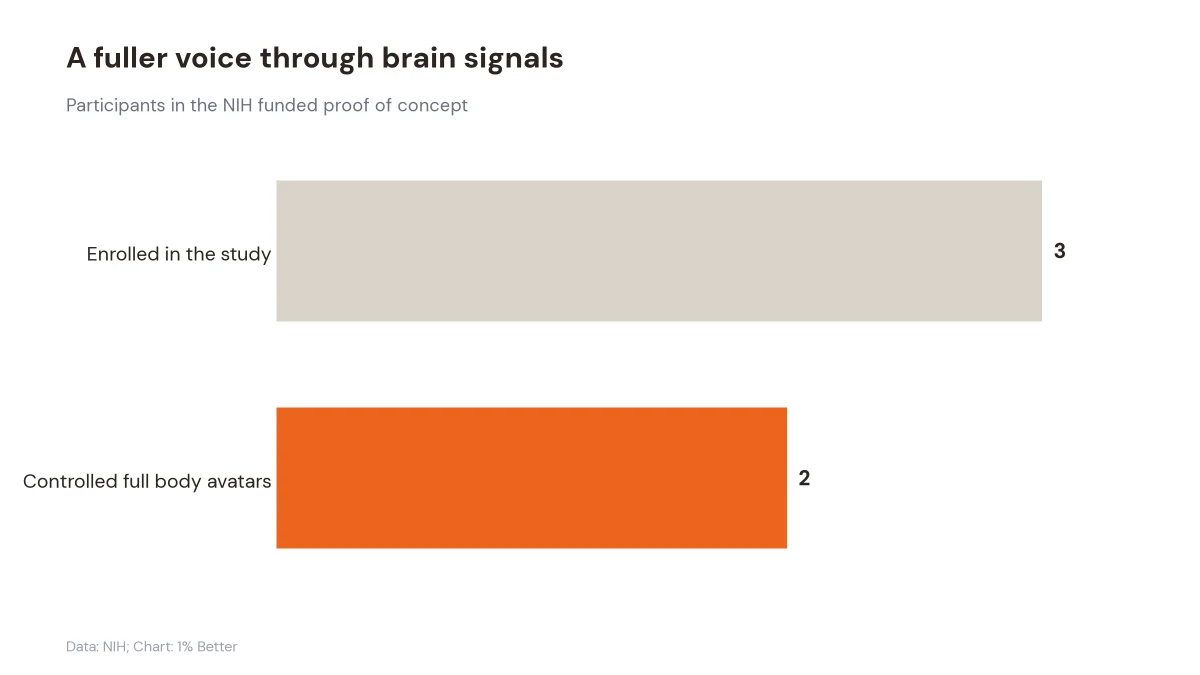
An NIH funded brain computer interface let two people with paralysis control speech and upper body gestures through personalized digital avatars.
Why it matters: Natural conversation depends on expression as much as words. The three person proof of concept points toward communication tools that could restore more personality and nuance for people with severe paralysis.
Health & Science
NIH puts $21 million behind better hormone models
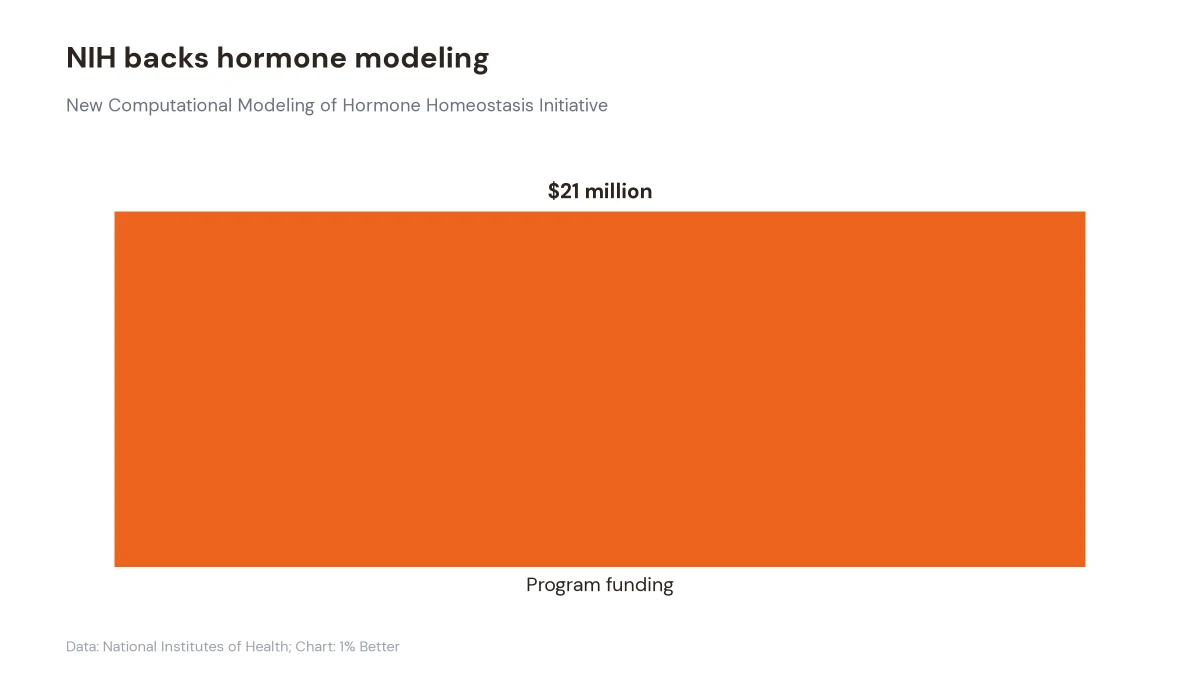
NIH awarded $21 million for computer models that simulate hormone regulation and sharpen research on sex specific treatment responses.
Why it matters: Hormones shape drug dosing, effectiveness and toxicity across the lifespan. Better human based simulations could make therapeutic testing more precise and help clinicians account for biological variation earlier.
Health & Science
The DRC Ebola outbreak reaches 7,200 confirmed cases
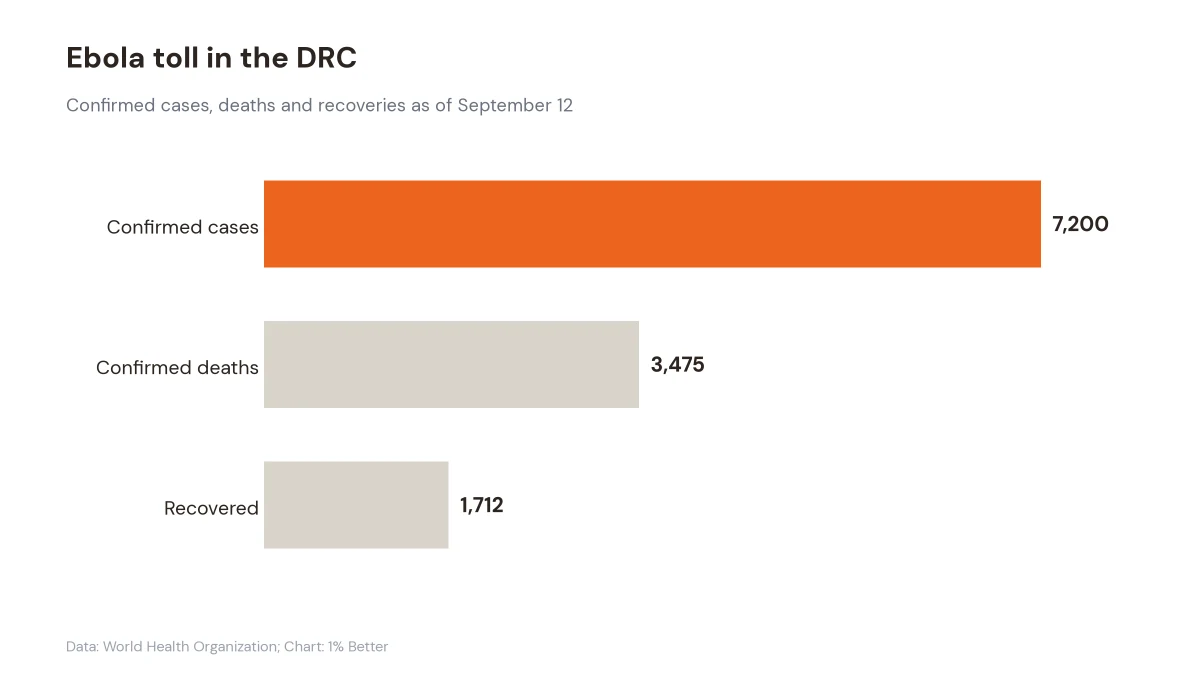
The World Health Organization counted 7,200 confirmed Ebola cases and 3,475 confirmed deaths in the Democratic Republic of the Congo by September 12.
Why it matters: The confirmed case fatality rate stands at 48%, and 1,712 people have recovered. The scale keeps surveillance, treatment capacity and rapid containment at the center of the global health response.
Self-Improvement
Social connection leads the student well being signals
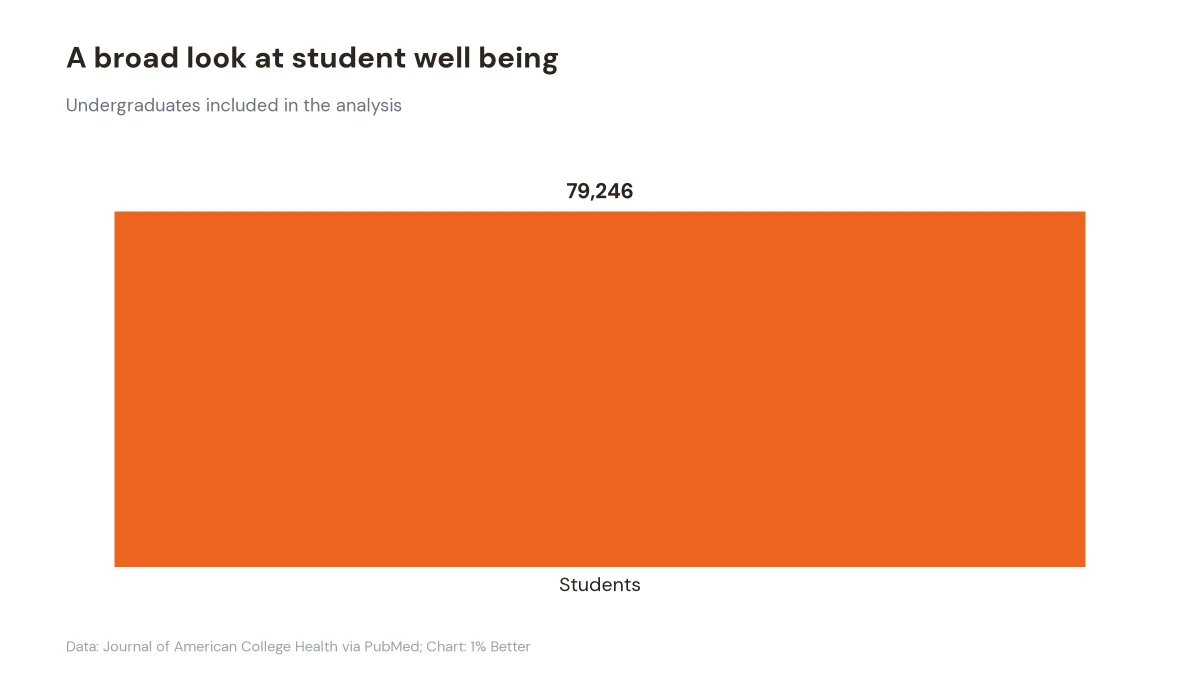
A study of 79,246 undergraduates found social time plus work and family obligations were the strongest positive predictors of well being.
Why it matters: The analysis considered 30 behavioral and environmental predictors at once. Its practical message is broad but clear: connection, sleep and healthier technology use deserve a central place in student support.
Productivity
Daily AI use spreads through the Irish workplace
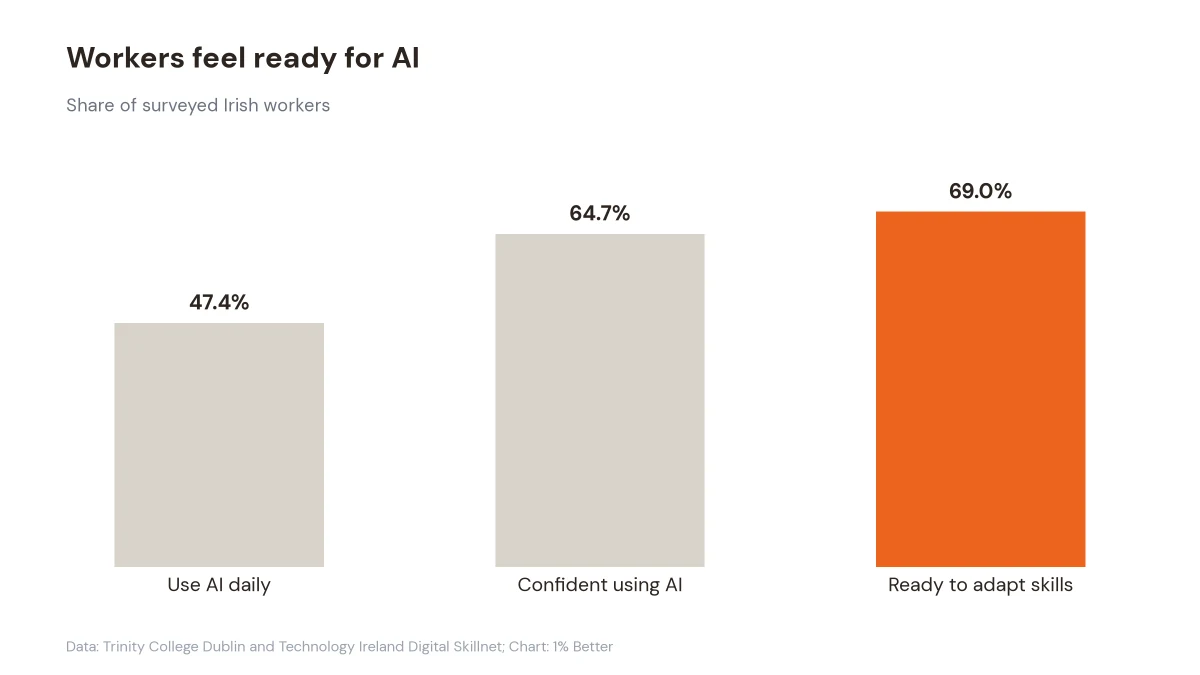
A Trinity College Dublin study found 47.4% of surveyed workers use AI daily, while 69% feel prepared to adapt their skills around it.
Why it matters: The near term story is workflow redesign more than wholesale job replacement. Employers can convert adoption into durable gains by pairing tools with training, accountability and clear human ownership.
Productivity
Salesforce rolls out AI agents built for specific jobs
Salesforce introduced job ready agents for service, sales, commerce and operations after processing 7 billion Agentic Work Units across its products.
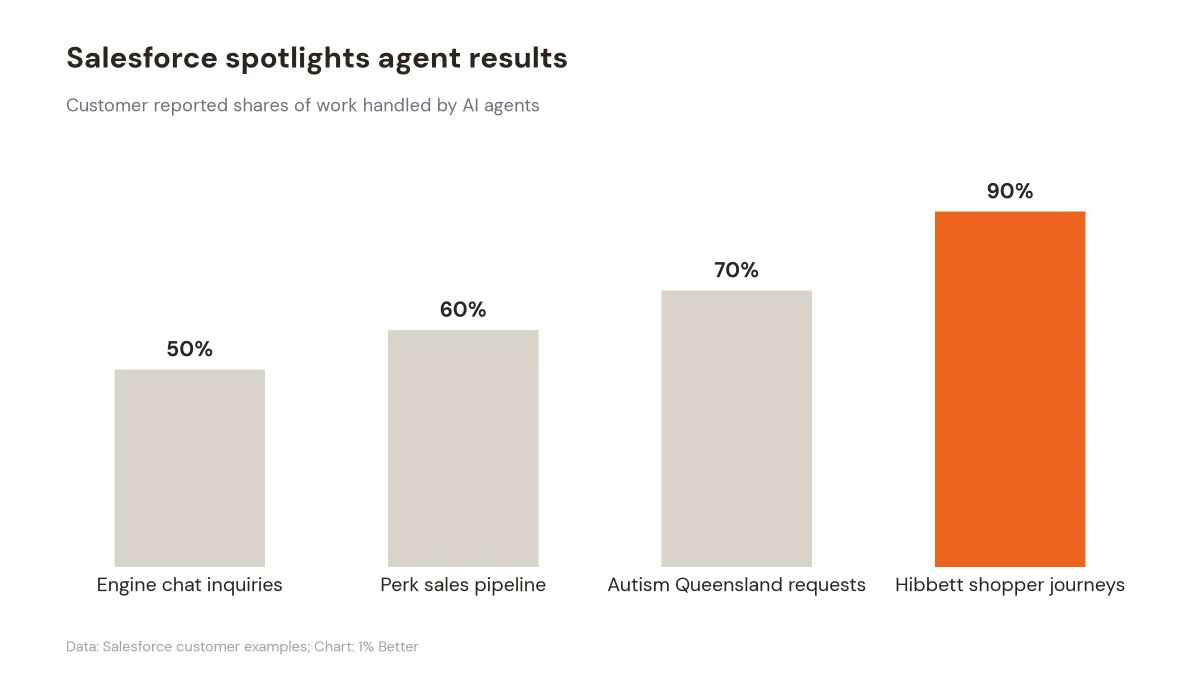
Why it matters: The pitch shifts enterprise AI from chat toward multi step execution that can persist for days or weeks. Salesforce says selected customers already automate 50% to 90% of targeted workflows, figures buyers should test against their own baselines.
Business & Money
Oil shock pushes gasoline and bond yields higher
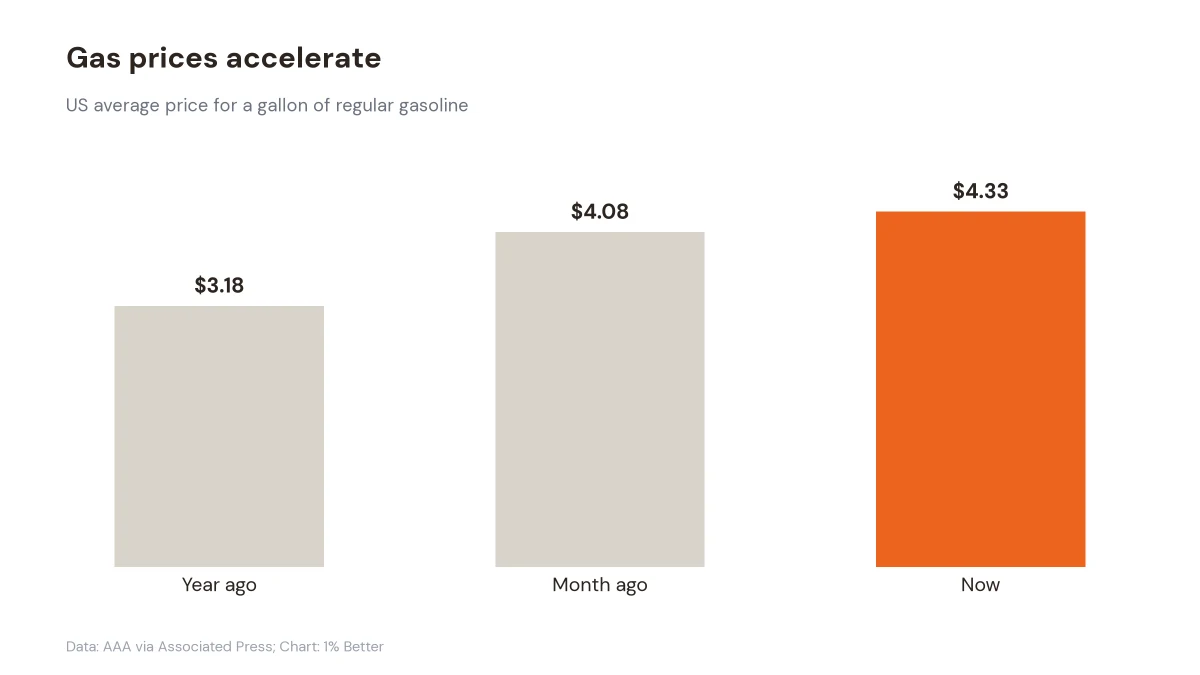
US regular gasoline reached $4.33 a gallon as crude climbed above $103 and the 10 year Treasury yield touched 5.01%.
Why it matters: Higher energy and borrowing costs hit household budgets and corporate margins at the same time. Gas is up from $4.08 a month ago and $3.18 a year ago, leaving less room for discretionary spending.
Business & Money
Markets price a 90% chance of a Fed rate hike
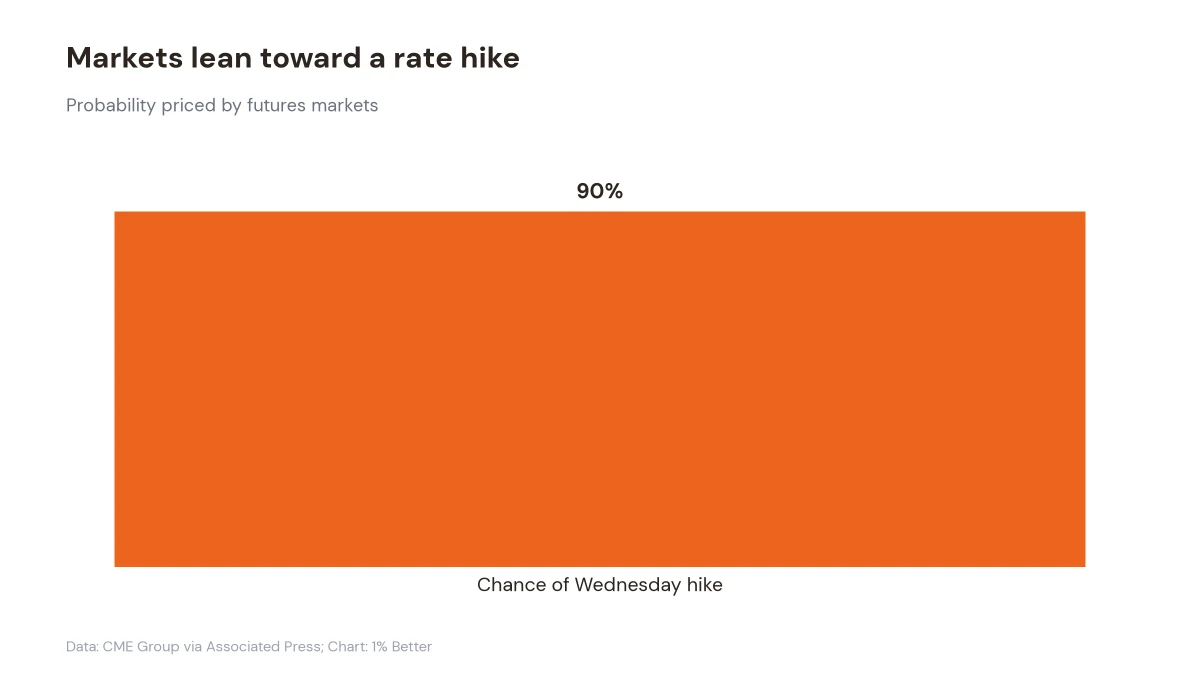
Futures markets put a 90% probability on the Federal Reserve raising its benchmark rate Wednesday for the first time in three years.
Why it matters: A quarter point increase from the current rate near 3.6% would ripple through savings, loans and market valuations. The decision also tests how forcefully the Fed will answer inflation driven by energy and data center demand.