Daily Brief: September 14, 2026
Markets face a near-5% Treasury yield and fresh Fed hike odds, while new research highlights meeting friction, overloaded workers, allergy treatment, Ebola response gaps, resilience, and self-control.
1% Better EditorialToday’s signal: rising rates are testing markets, and stronger systems matter everywhere from meeting rooms to public health and personal habits.
Business & Money
Stocks hold firm as the 10-year Treasury yield nears 5%
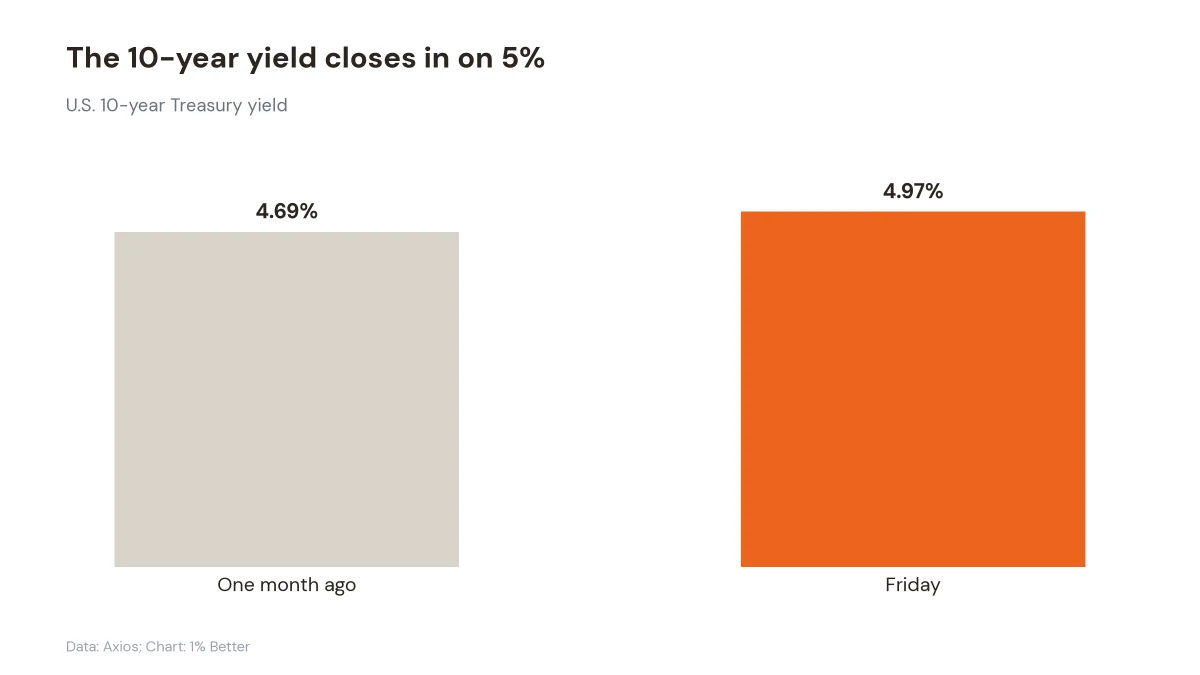
The 10-year Treasury yield climbed to 4.97% Friday from 4.69% a month earlier, while American stocks largely absorbed the rise.
Why it matters: Treasury yields set a foundation for mortgage, auto, and corporate borrowing costs. Investor confidence in AI-driven profit growth is keeping equities resilient as financing gets more expensive.
Business & Money
Bond markets brace for a possible Fed rate hike
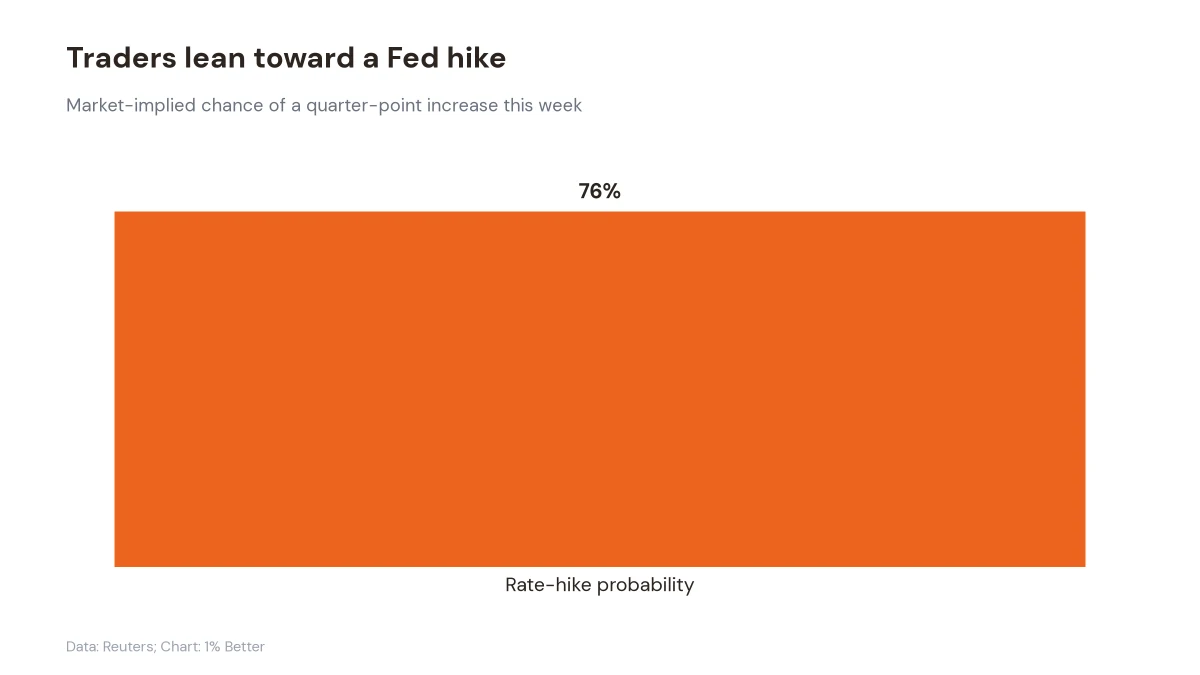
Markets price roughly a 76% chance of a quarter-point Federal Reserve rate increase this week as inflation and oil prices stay elevated.
Why it matters: A hike would lift borrowing costs for households and businesses while putting pressure on richly valued stocks. The decision also arrives as federal deficits run near 6.5% of GDP, amplifying bond-market sensitivity.
Productivity
Meeting tech failures are draining workplace productivity
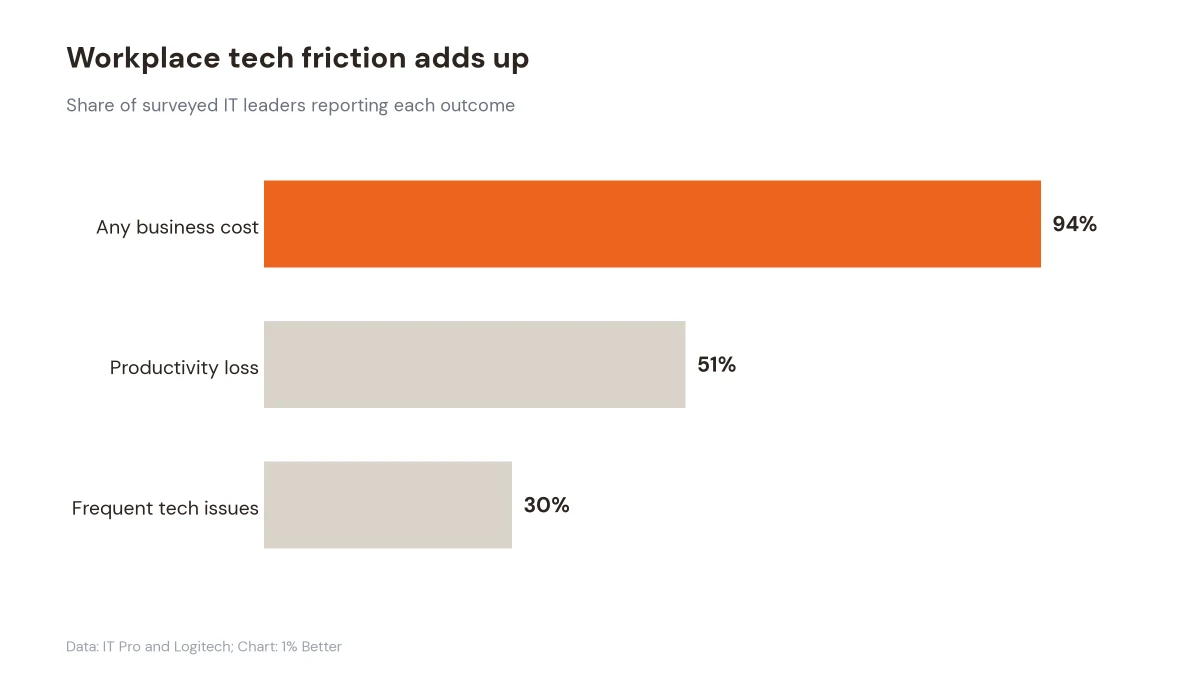
Technical glitches created at least one business cost for 94% of surveyed IT leaders, and 51% cited lost productivity.
Why it matters: Audio failures, connection drops, and inconsistent room setups turn collaboration time into troubleshooting time. Cross-functional ownership and tracking meeting delays can make workplace technology investment measurable.
Productivity
Heavy workloads crowd out meaningful work
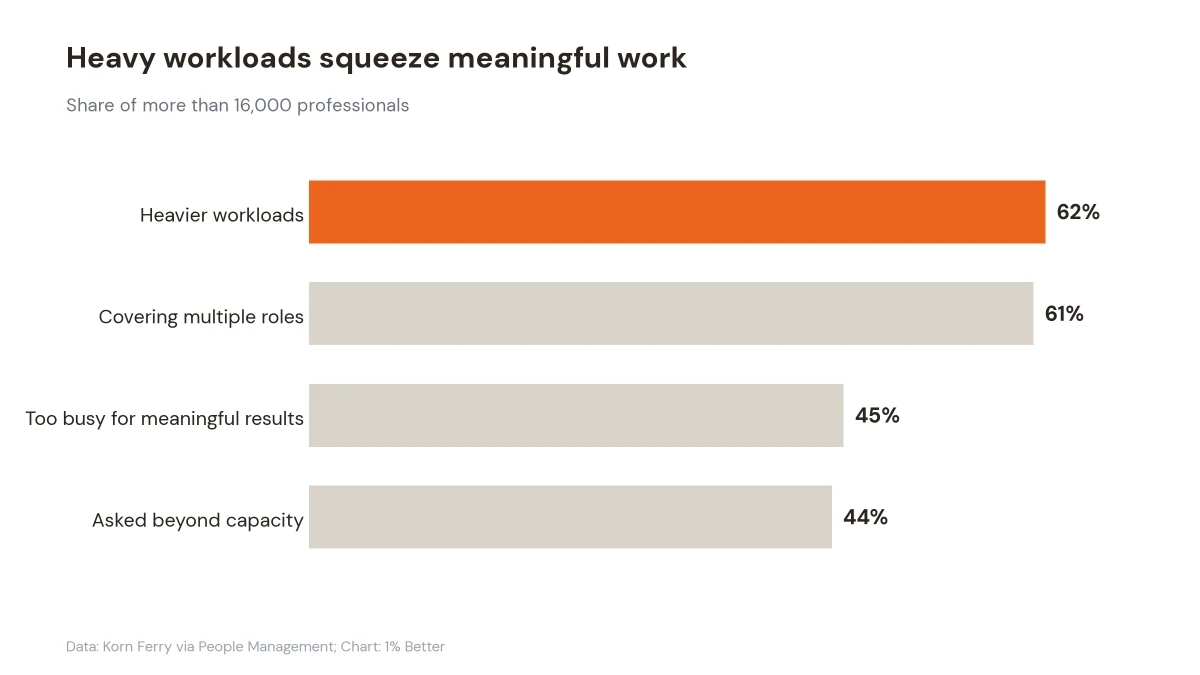
A global survey found 62% of professionals faced heavier workloads and 61% were covering the work of more than one role.
Why it matters: Capacity strain is becoming a performance problem: 45% said they were too busy to deliver meaningful results. Clearer priorities and realistic role design can protect output as responsibilities expand.
Health & Science
Gut microbe pills show early promise for peanut allergy
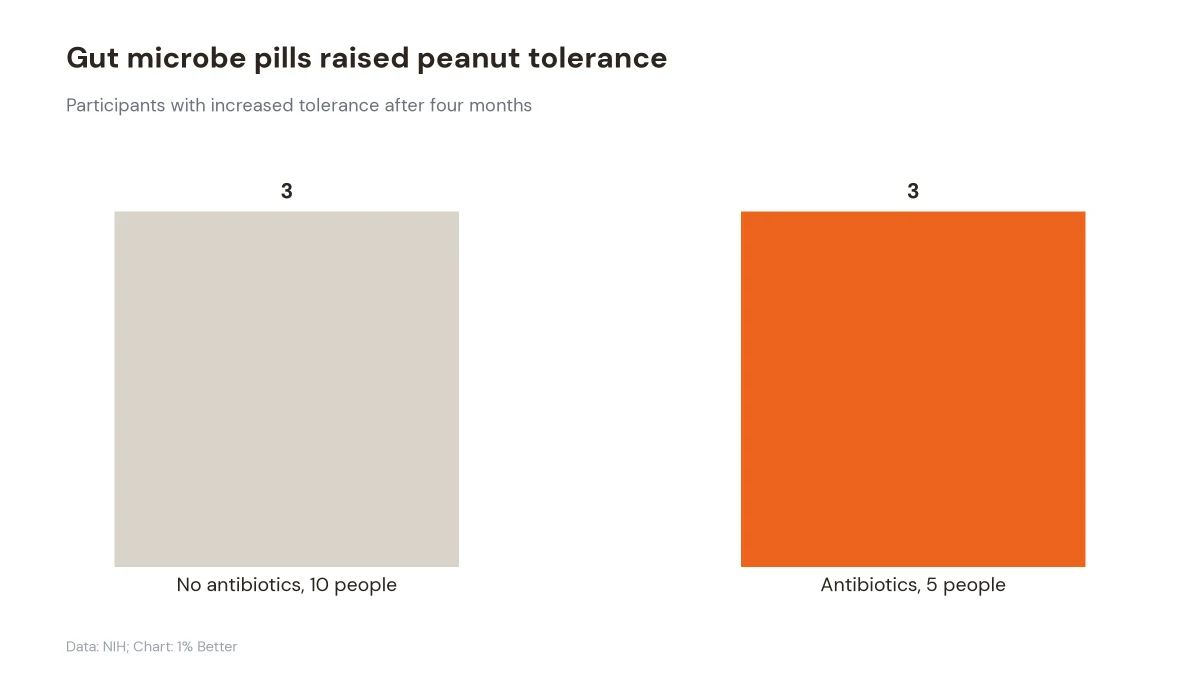
An early trial found increased peanut tolerance in three of 10 participants without antibiotics and three of five who received them.
Why it matters: The 15-person study links treatment response to immune-cell changes and bile-acid metabolism, pointing toward targeted probiotic therapies. Larger trials are needed before broad clinical use.
Health & Science
Congo Ebola response indicators remain below key targets
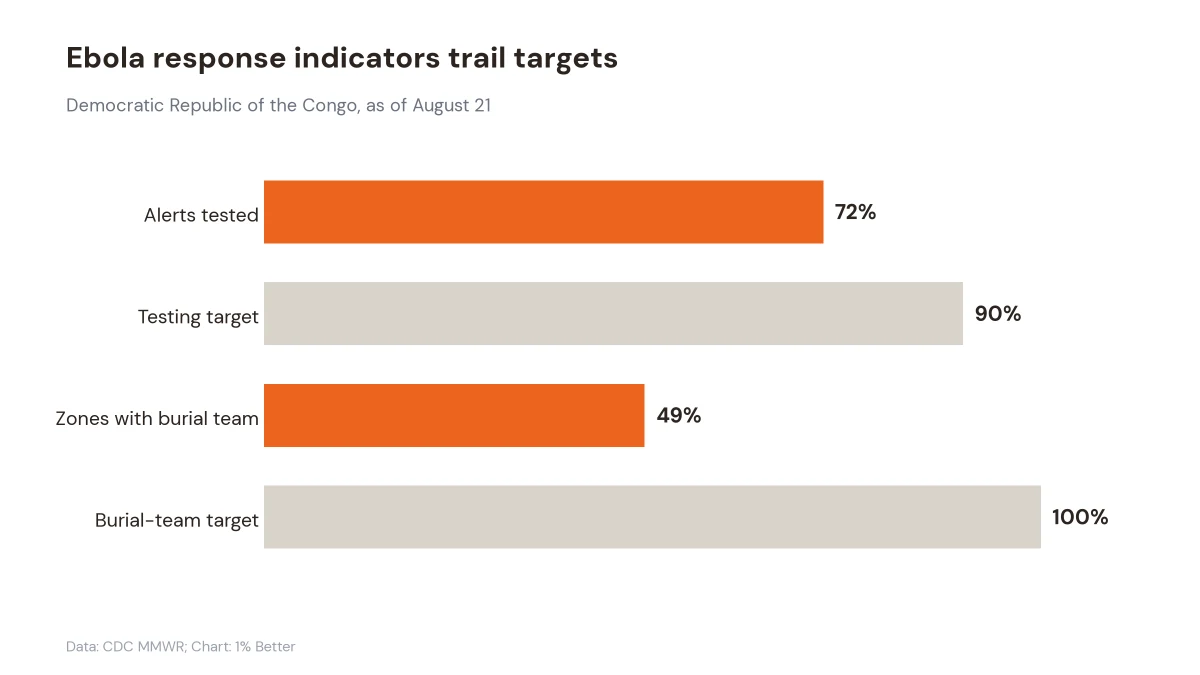
The CDC reported 5,458 confirmed cases and 2,606 deaths in Congo’s Bundibugyo Ebola outbreak through August 21.
Why it matters: The outbreak is the second largest Ebola event on record, and several operational gaps could sustain transmission. Testing covered 72% of validated alerts, while 49% of affected health zones had a safe-burial team.
Self-Improvement
Informational support can strengthen resilience and confidence
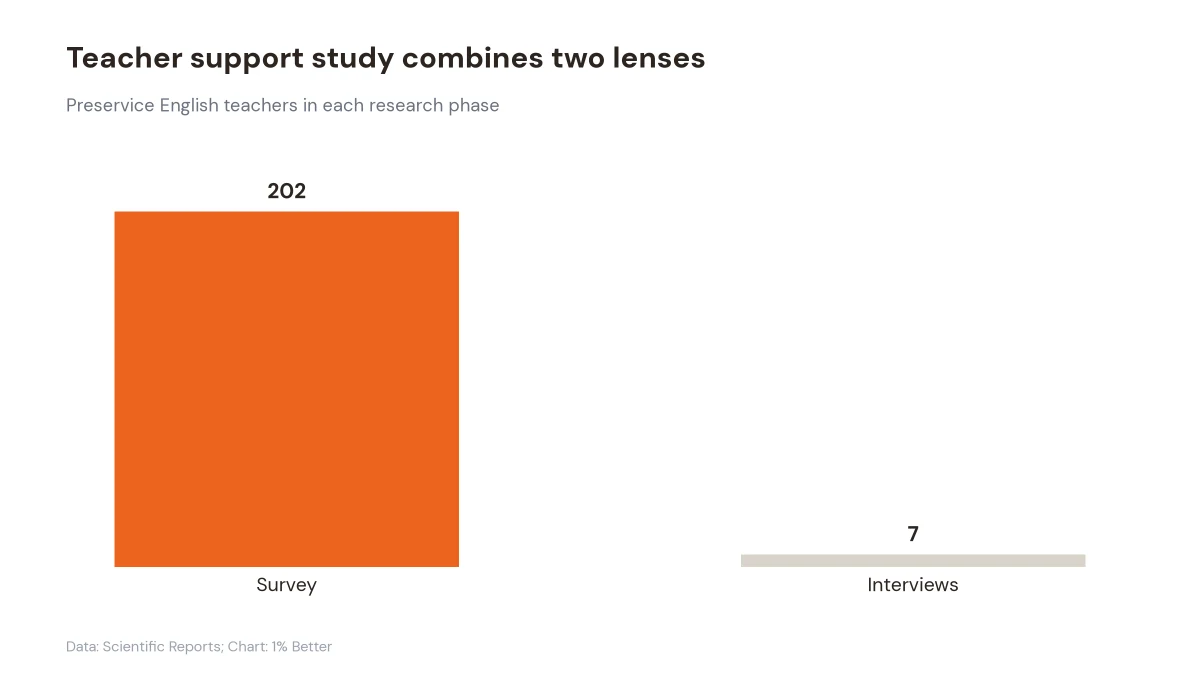
A study of preservice English teachers found that practical teacher support strengthened the link between resilience and academic self-efficacy.
Why it matters: Specific guidance appears to help resilient learners convert persistence into confidence and better strategies. The mixed-methods study surveyed 202 teachers in training and interviewed seven for deeper context.
Self-Improvement
Self-control supports health through beliefs and intentions
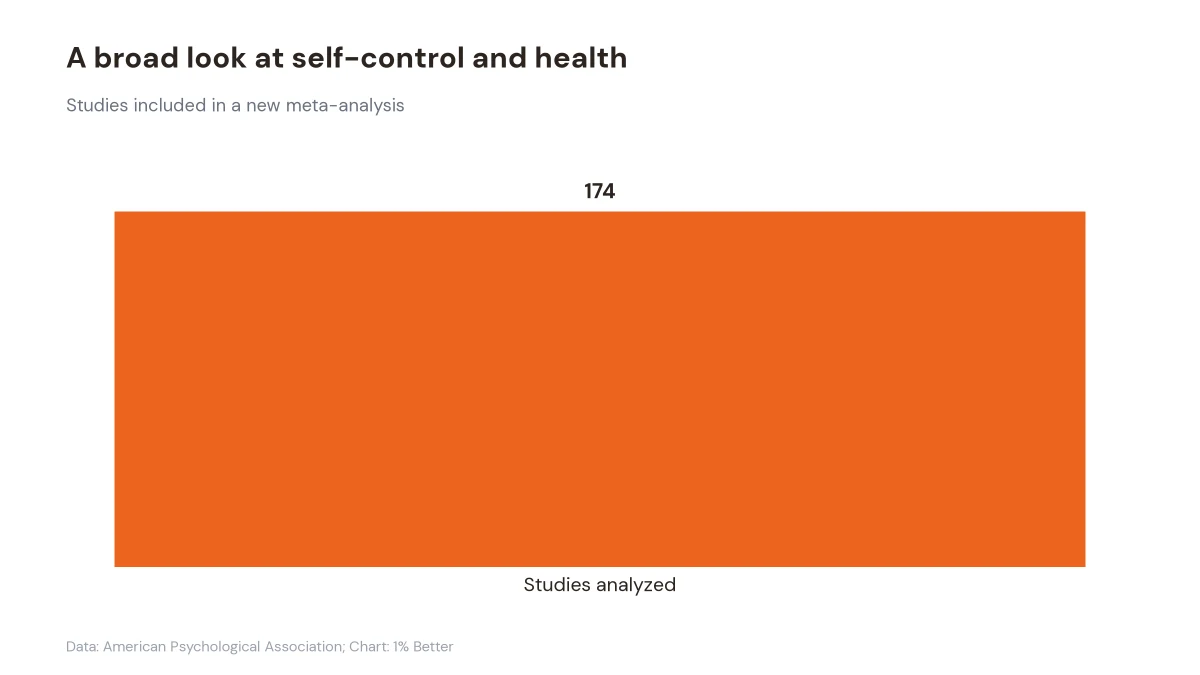
A meta-analysis of 174 studies linked higher self-control with health-supporting behavior through beliefs, perceived control, and intentions.
Why it matters: The findings suggest that durable habits rely on more than willpower alone. Strengthening the perceived value, feasibility, and intention behind a behavior may help translate self-control into healthier choices.