Daily Brief: September 13, 2026
Borrowing costs rise, consumer confidence slips, workplace technology drags on output, and new research offers practical lessons for memory, health, and career growth.
1% Better EditorialBusiness & Money
Higher rates make borrowing more expensive
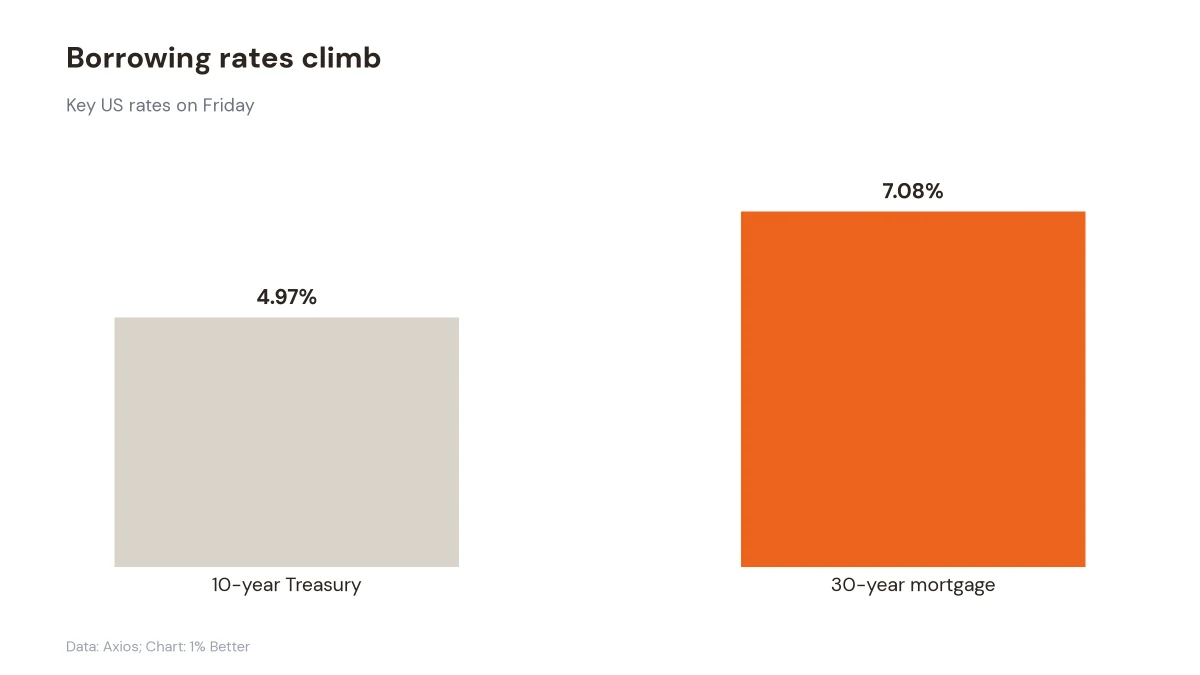
The 10-year Treasury yield reached 4.97% Friday, while the 30-year mortgage rate climbed to 7.08%.
Why it matters: Higher government yields flow into mortgages, business loans, and other financing costs. Energy-driven inflation and heavy federal borrowing could keep pressure on household and company budgets.
Business & Money
Consumer sentiment falls again
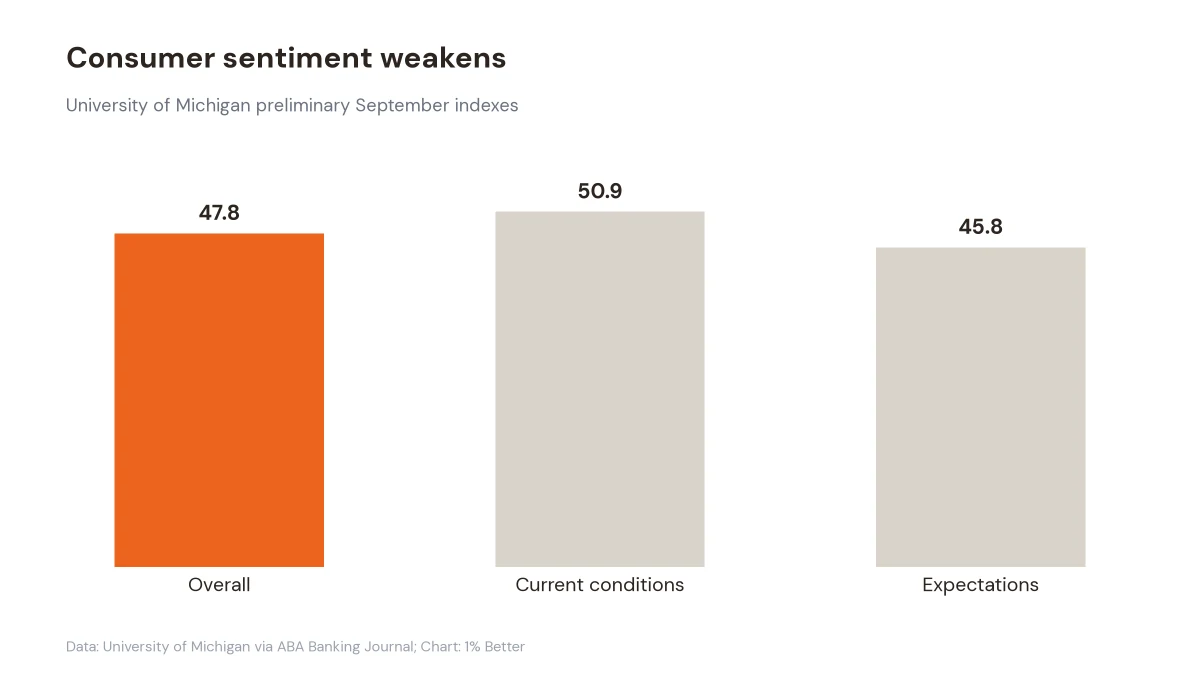
The University of Michigan consumer sentiment index fell 3.9 points in September to 47.8, its second straight monthly decline.
Why it matters: Consumers reported weaker expectations for personal finances and business conditions as fuel prices and trade tensions rose. Softer confidence can translate into more cautious spending.
Productivity
Workplace technology creates an ROI blind spot
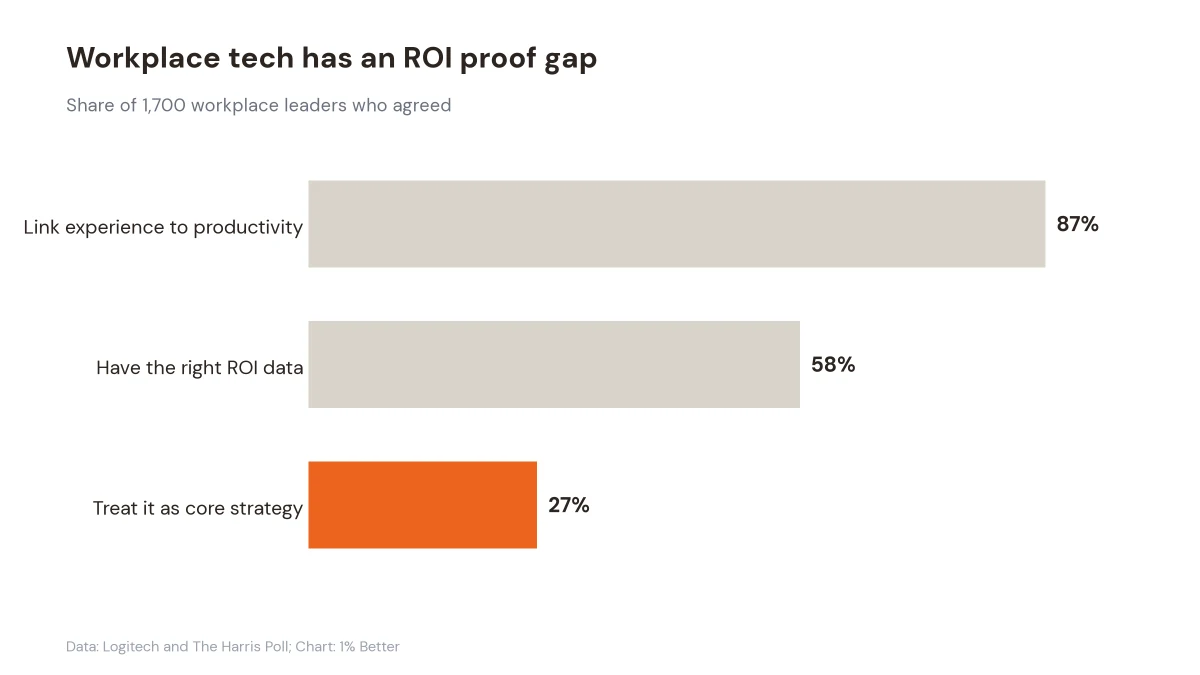
A 1,700-leader survey found 87% link workplace experience to productivity, yet 58% have the ROI data to justify technology investments.
Why it matters: Meeting delays, device failures, and inconsistent room setups quietly tax output. Shared ownership across IT, HR, and real estate can turn recurring friction into measurable operating improvements.
Health & Science
A blood marker may flag memory vulnerability years early
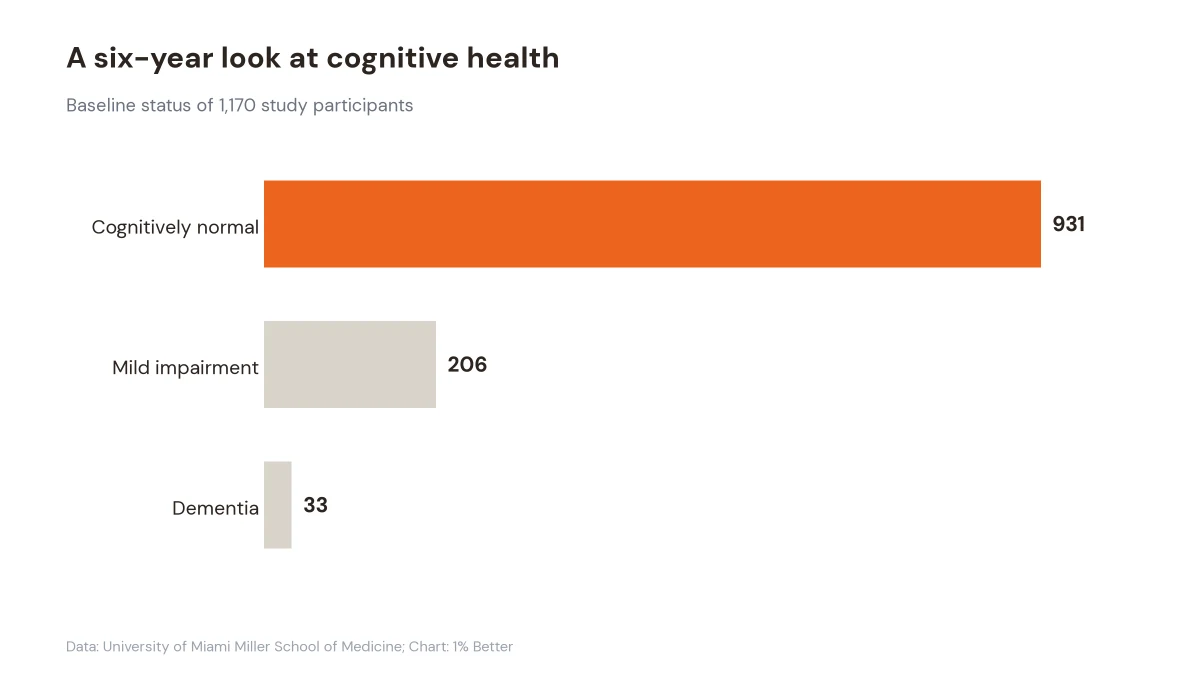
Higher levels of the Alzheimer-linked blood marker p-tau181 were associated with poorer memory performance six years later in a study of 1,170 older adults.
Why it matters: The association appeared before memory differences were detectable at the initial assessment. The finding could help researchers identify future cognitive vulnerability earlier, though it cannot predict an individual diagnosis.
Health & Science
A workout or nap can rescue sleep-deprived memory
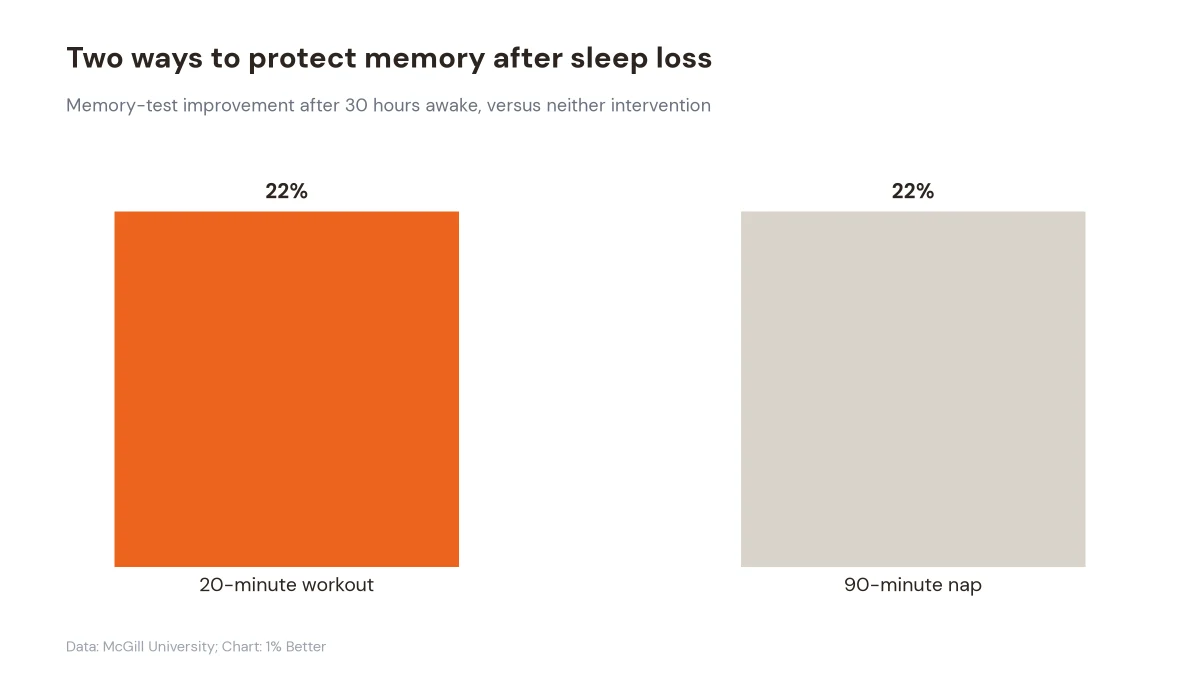
After 30 hours without sleep, people who exercised for 20 minutes or napped for 90 minutes scored about 22% better on memory tests than a control group.
Why it matters: The McGill-led study points to two practical tools for protecting recall when sleep loss is unavoidable. A short bout of moderate-to-vigorous exercise delivered a benefit similar to a much longer nap.
Self-Improvement
Career growth takes a network of mentors
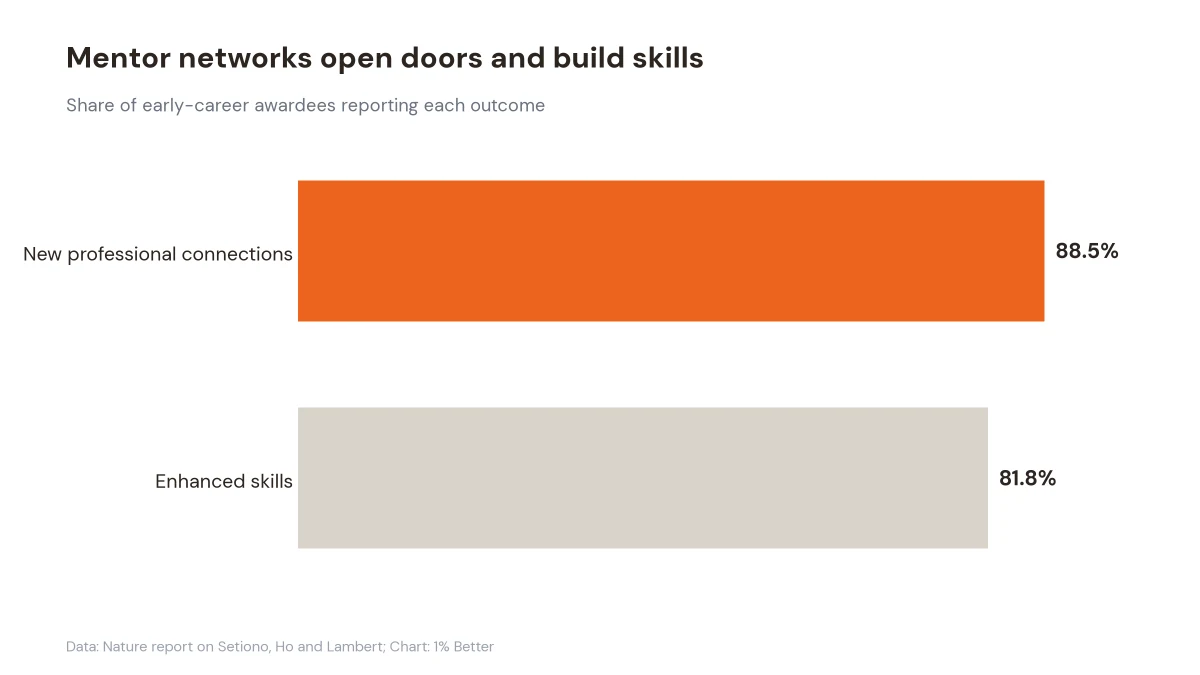
A study of nearly 900 early-career scientists found that different mentor roles support research, confidence, connections, and job opportunities.
Why it matters: One adviser rarely covers every career need. Building a personal board of research mentors, coaches, peers, connectors, and sponsors can create broader support and more paths to opportunity.