Daily Brief: September 12, 2026
A massive review ties ADHD to gut trouble, a small trial hints keto could help autism, willpower beliefs shape which tasks you pick, and traders now see an 85% chance the Fed hikes rates next week.
1% Better EditorialToday: gut health and ADHD turn out to be more connected than doctors realized, a psychology study explains why new friendships feel harder than they are, and Wall Street is bracing for a rate hike that looked unlikely a month ago.
Health & Science
Massive Study Links ADHD to Sharply Higher Gut Problems
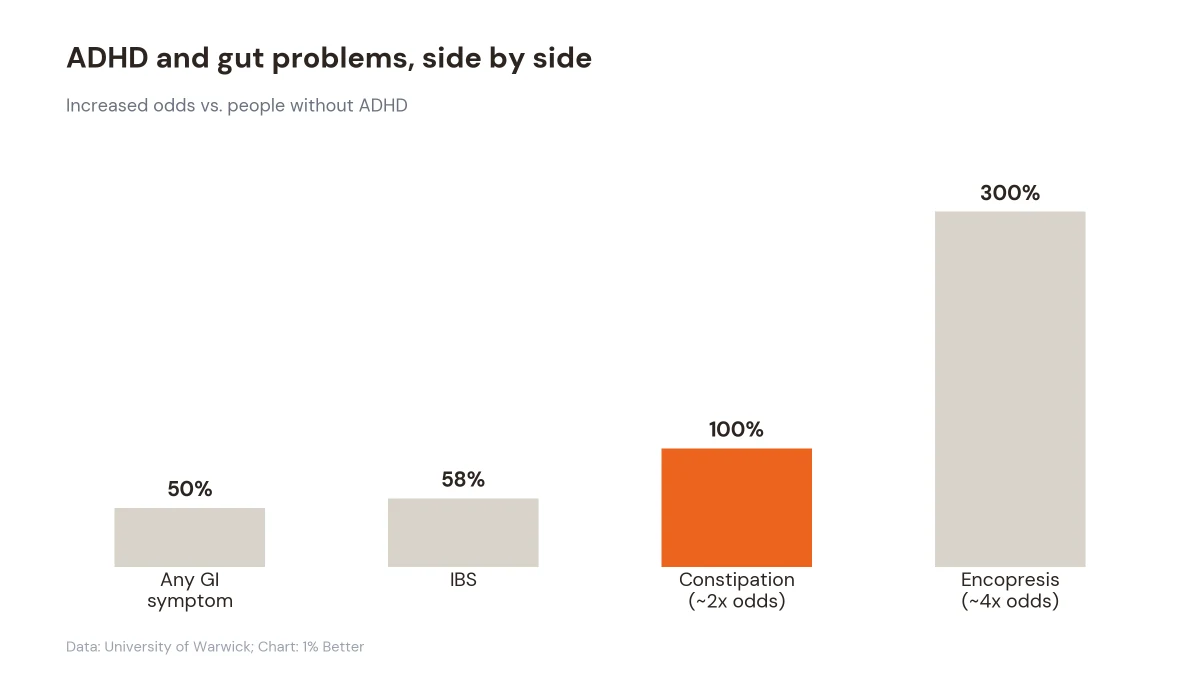
A review of 1.9 million people found that both children and adults with ADHD face nearly 50% higher odds of gastrointestinal problems like constipation and IBS.
Why it matters: Doctors treating ADHD rarely screen for digestive symptoms, so gut pain often goes unaddressed for years. Researchers point to the gut-brain axis as a likely link, so if ADHD and stomach trouble run in your family, it is worth raising both with your doctor.
Health & Science
Small Trial Finds Ketogenic Diet May Ease Autism Symptoms
In a 62-child randomized trial in China, kids who added a modified ketogenic diet to standard rehab training showed significantly larger drops in autism symptom scores than rehab alone.
Why it matters: The trial ran just two months at a single hospital, so the results are an early signal, and larger studies are needed before drawing firm conclusions. Still, it adds to a growing body of research treating metabolism as a lever in neurodevelopmental care worth watching closely.
Self-Improvement
Your Beliefs About Willpower Predict Which Tasks You Pick

A 2026 study found that people who see willpower as a limited resource are more likely to choose easier tasks, while those who see effort as energizing seek out harder ones.
Why it matters: Believing willpower runs out can quietly steer you toward easier choices before you actually weigh a task on its own merits. Treating hard work as energizing, versus draining, appears to be a mindset that can be practiced with intention.
Self-Improvement
Why Making Friends Feels Harder Than It Actually Is
Psychology research shows people routinely underestimate how much new acquaintances like them, a pattern known as the liking gap.
Why it matters: If a conversation felt awkward in your head, the other person probably remembers it more warmly than you think. Casual friendships take real time, often 40 to 60 hours of contact in the first six weeks, so patience with small talk pays off.
Productivity
62% of Workers Say Their Workloads Got Much Heavier
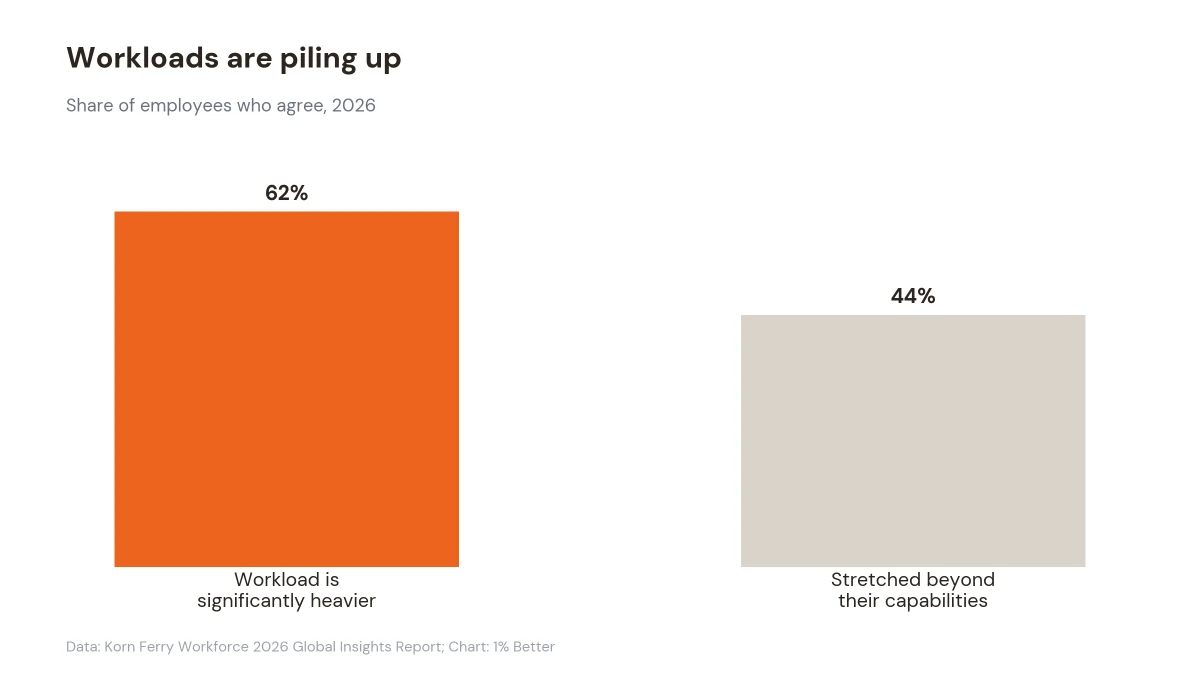
A new Korn Ferry report finds 62% of employees say their workloads have grown significantly heavier over the past two years, with 44% saying they are stretched beyond their capabilities.
Why it matters: Piling more work onto leaner teams without redesigning how work gets done tends to produce burnout, the report warns, since heavy activity differs from real output. Leaders who create space for focused work are more likely to see lasting productivity gains.
Productivity
Uber Cuts 3,300 Jobs and Tightens Its Return to Office Rule
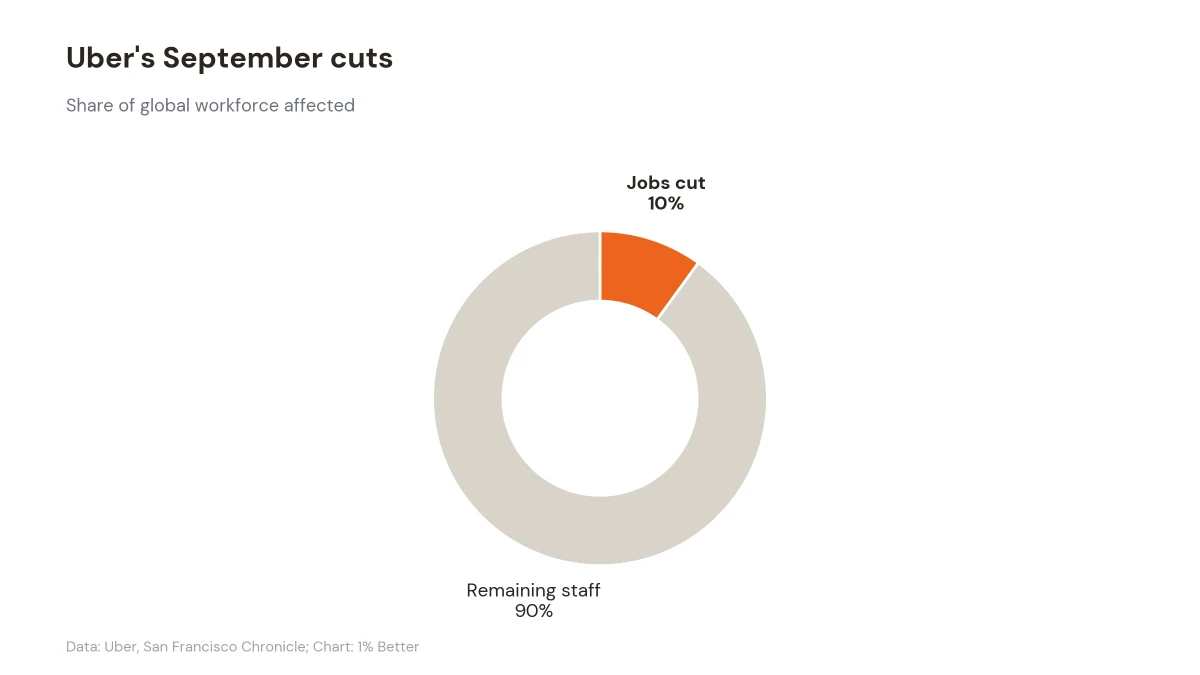
Uber is eliminating about 3,300 jobs, roughly 10% of its workforce, while pushing most remote employees back to the office at least three days a week.
Why it matters: The cuts and the office mandate landed in the same announcement, so many remote employees may quit before ever getting a severance check, shrinking headcount twice over. If you work remotely, a tightening in-office policy is worth treating as an early signal of restructuring, even without a formal layoff notice.
Business & Money
Consumer Sentiment Hits Second-Lowest Level on Record
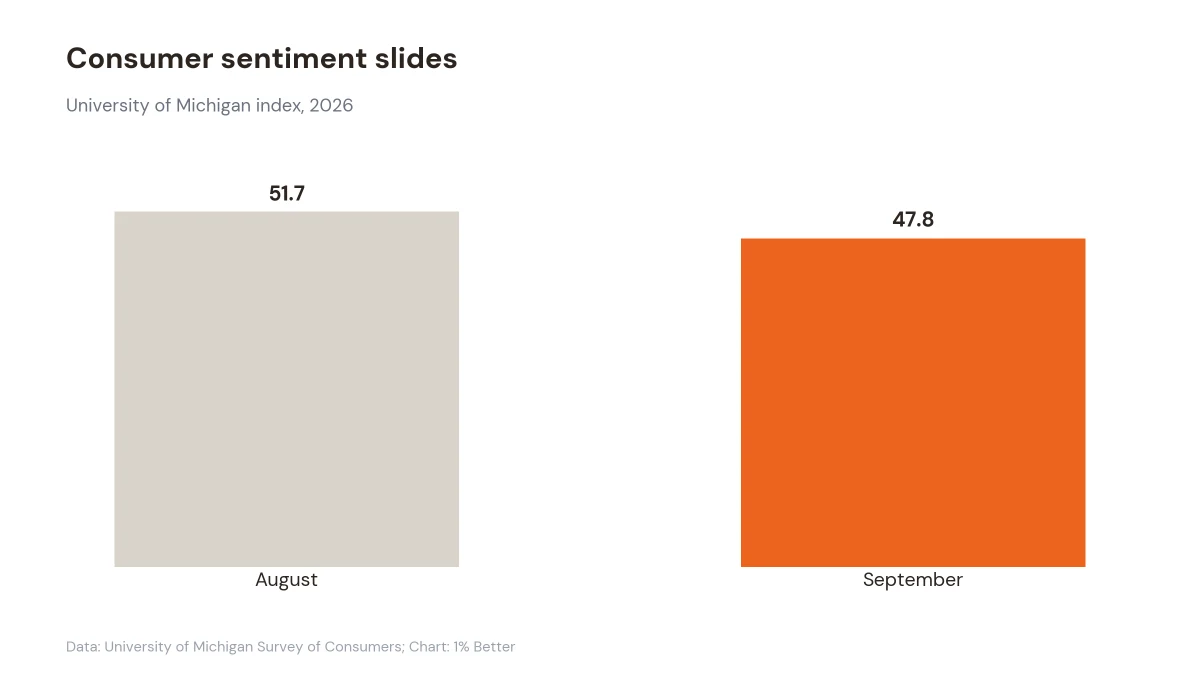
The University of Michigan's September survey showed consumer sentiment falling to 47.8, down 7.5% from August and the second-lowest reading since 1952.
Why it matters: Inflation expectations jumped to 4.6% for the year ahead, and gas prices are up 27.4% from last year, so households are bracing for tighter budgets. Weak sentiment often front-runs slower spending, which matters for anyone planning a purchase, a hire, or a price increase.
Business & Money
Fed Rate-Hike Odds Surge to 85% Ahead of Sept. 16 Meeting
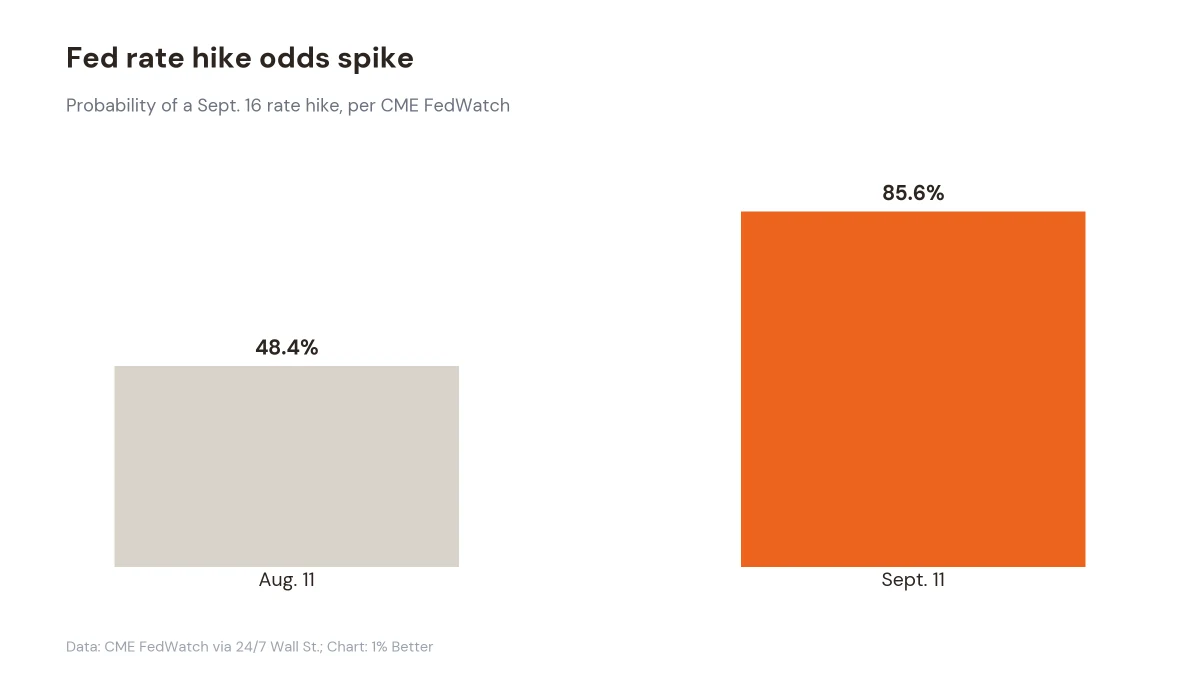
Traders now price an 85.6% chance the Federal Reserve raises rates at its September 16 meeting, up from just 48.4% a month earlier.
Why it matters: The shift followed a hotter than expected inflation report, with consumer prices up 3.4% year over year and still far above the Fed's 2% target. A rate hike would raise borrowing costs across mortgages, credit cards, and business loans, and could pressure high-growth stock valuations built on future earnings.