Daily Brief: September 10, 2026
Today: statins that lower dementia risk in diabetes patients, why caffeine flips an ancient anti-aging switch, AI's uneven productivity boost, rising burnout among communicators, and a $124 trillion wealth transfer that could spark family conflict.
1% Better EditorialHealth & Science
Early Statin Use After Diabetes Diagnosis Tied to Lower Dementia Risk
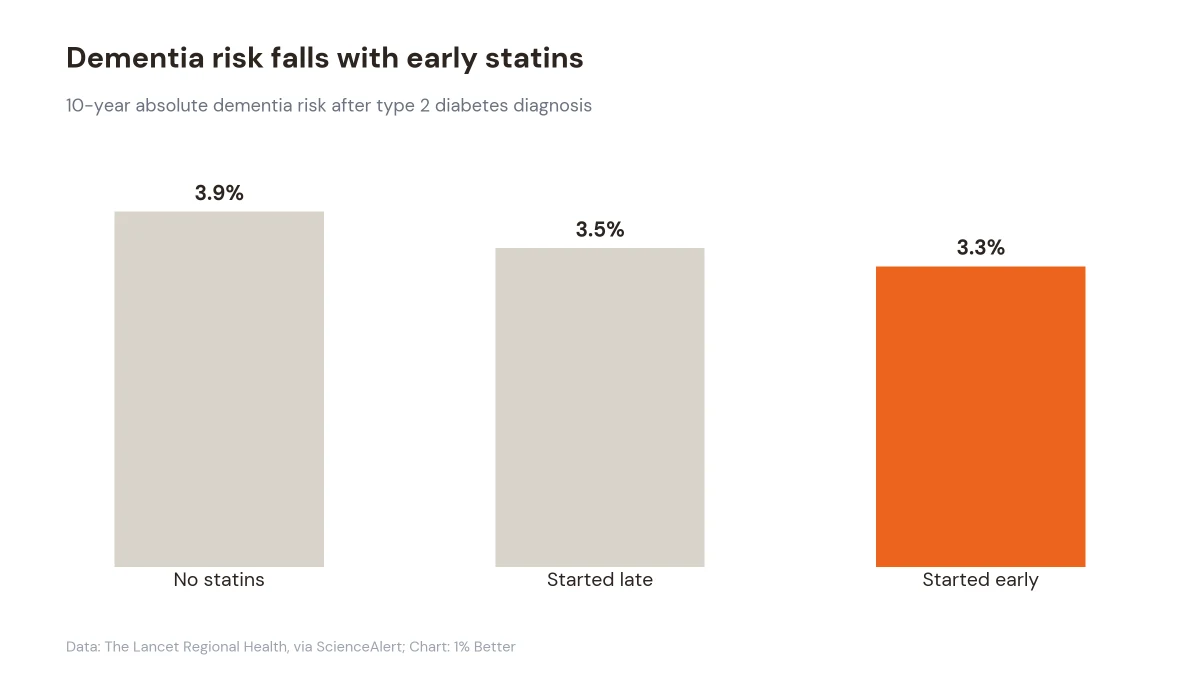
A Danish study of 132,585 people with type 2 diabetes found starting statins within a year of diagnosis cut the 10-year dementia risk by 15 percent.
Why it matters: Absolute dementia risk fell from 3.9 percent among people who never took statins to 3.3 percent among those who started early, according to the Lancet Regional Health study. Diabetes patients already face higher dementia risk, and researchers say the cheap, common drug is underused as a preventive tool.
Health & Science
Caffeine Flips an Ancient Cellular Switch Tied to Slower Aging

Queen Mary University of London researchers found caffeine activates AMPK, an ancient energy sensing pathway that governs stress resistance, DNA repair, and cell growth.
Why it matters: AMPK is the same pathway targeted by the diabetes drug metformin, which is being studied for its own anti-aging effects. The finding gives scientists a new molecular explanation for coffee's long-observed links to healthy aging.
Productivity
AI Assistants Lift Customer Support Productivity 14 Percent, Study Finds
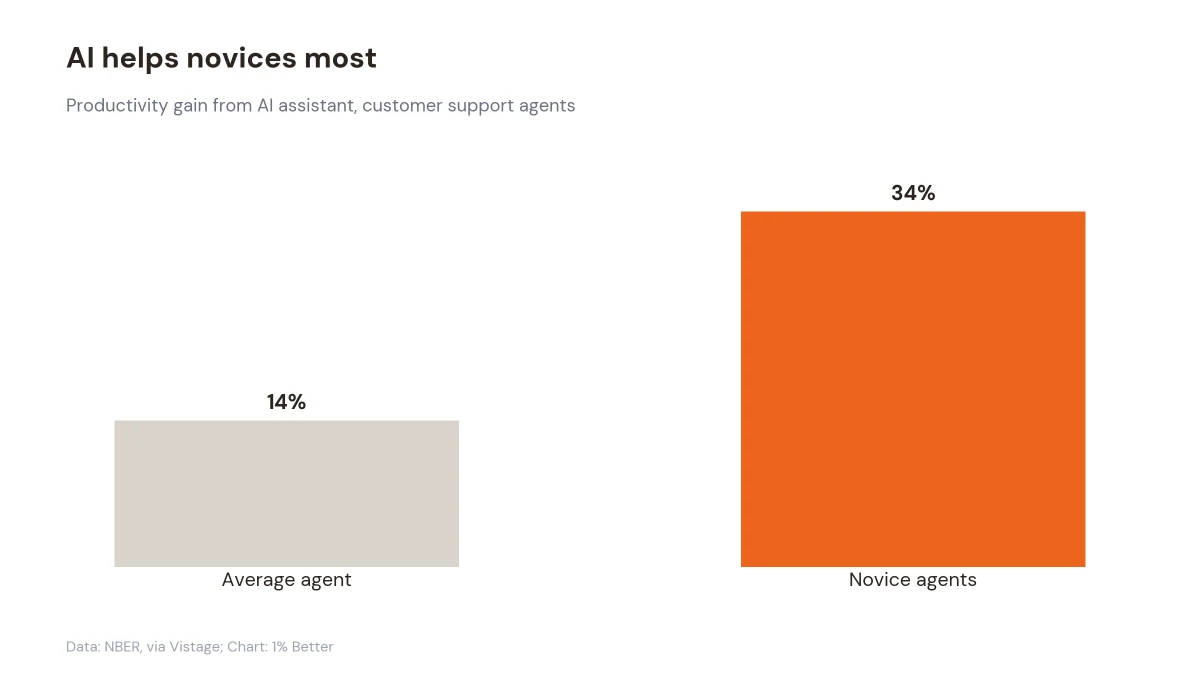
An NBER study of 5,179 customer service agents found generative AI assistants raised average productivity by 14 percent, with novice workers gaining the most.
Why it matters: Newer, lower-skilled agents saw productivity jump by 34 percent, while the most experienced agents saw almost no change, a pattern that could narrow the skills gap on support teams.
Productivity
Workplace Burnout Among Communicators Jumped 22 Points in a Year
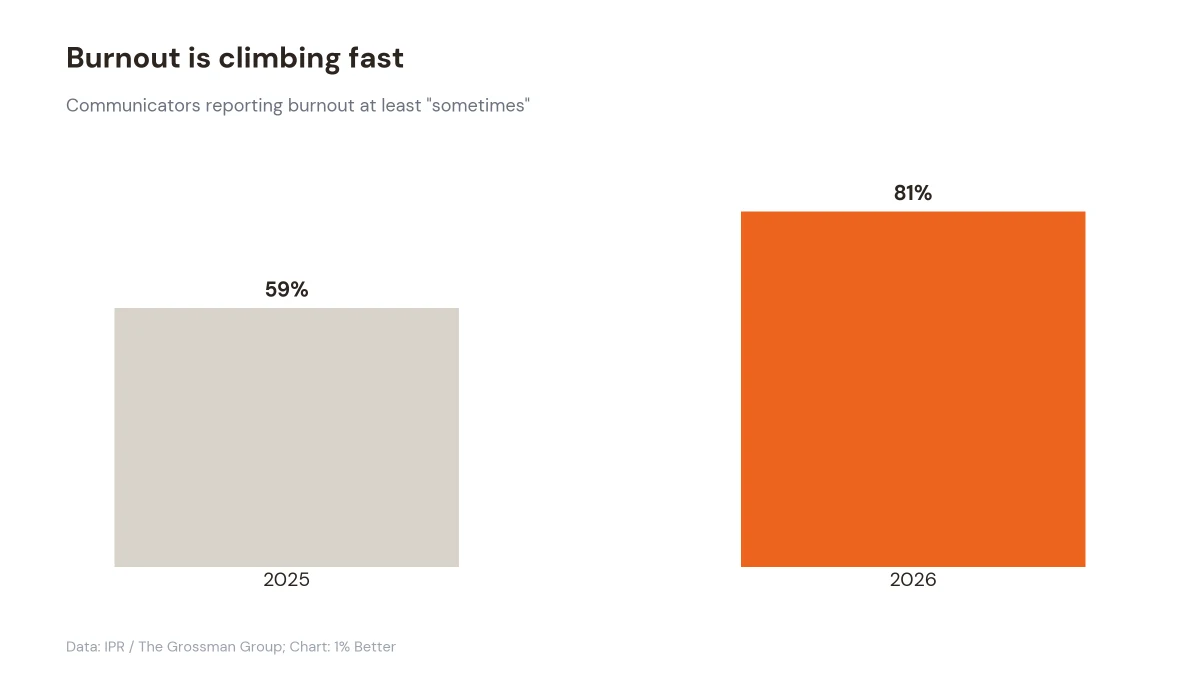
A new IPR and Grossman Group survey of 419 communications professionals found 81 percent report burnout at least sometimes, up from 59 percent in 2025.
Why it matters: Job search intent climbed too, with 40 percent saying they are likely to look for a new role in the next year, up from 31 percent in 2025. Engagement stayed high at 88 percent, but researchers found emotional connection with colleagues mattered more to that engagement than salary or job security.
Self-Improvement
Why You Want a Relationship Shapes Whether You Find One, Study Says

A University of Toronto led study found singles motivated by genuine desire for connection pursue higher quality relationships than those driven by social pressure or validation.
Why it matters: The study applied self-determination theory to dating, comparing singles with intrinsic motivation for connection against those driven by guilt or social pressure. People pursuing partnership for its own sake made steadier progress toward their relationship goals.
Self-Improvement
Scientists Say Love Follows Predictable Mathematical Patterns
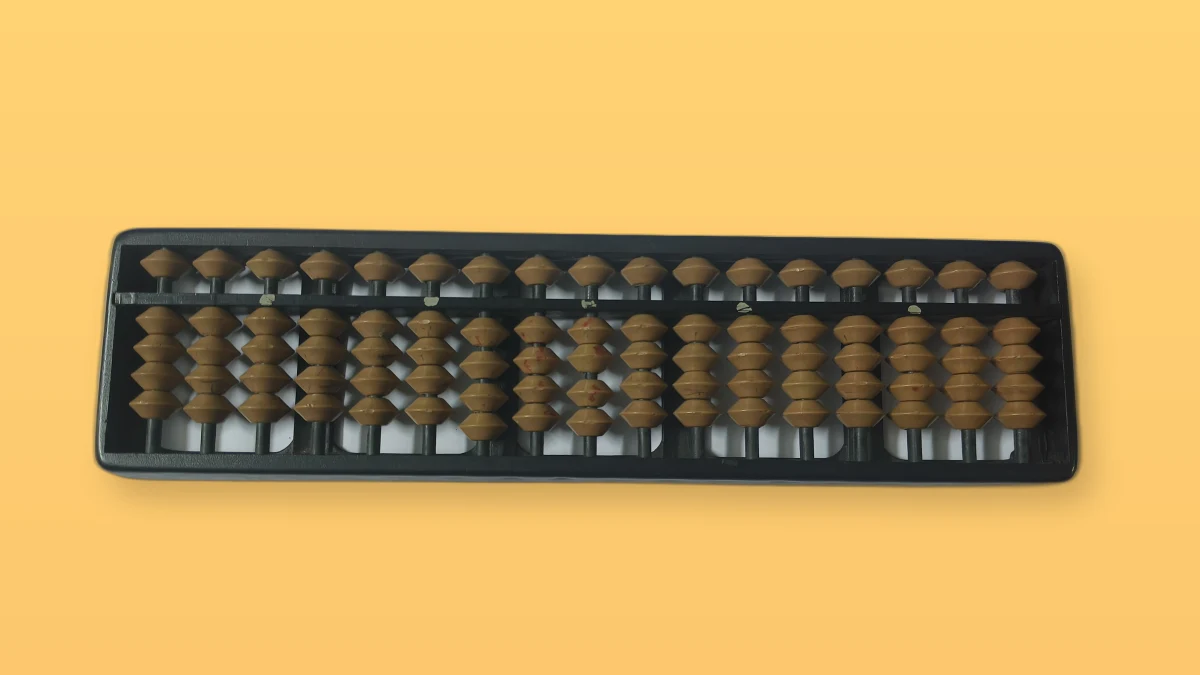
A University of Lyon mathematician is modeling romantic relationships as dynamical systems, borrowing equations originally built to track animal populations.
Why it matters: The models use concepts like the Allee effect, where a population below a critical threshold struggles to survive, to explain why some relationships recover from conflict while others spiral downward. Researchers say the math offers a more structured way to understand why relationships strengthen or fade over time.
Business & Money
Silver Lake Merges Cegid and Silae in 10 Billion Euro AI Software Bet
Silver Lake is combining French software firms Cegid and Silae into a single company valued above 10 billion euros to compete in AI-era business software.
Why it matters: The merger unites payroll, accounting, e-invoicing, and payments data under one roof and creates a 1,400-person team focused on AI development. The deal reflects how private equity firms are restructuring software portfolios as AI reshapes which tools businesses are willing to pay for.
Business & Money
Great Wealth Transfer Could Spark Family Conflict, Survey Finds
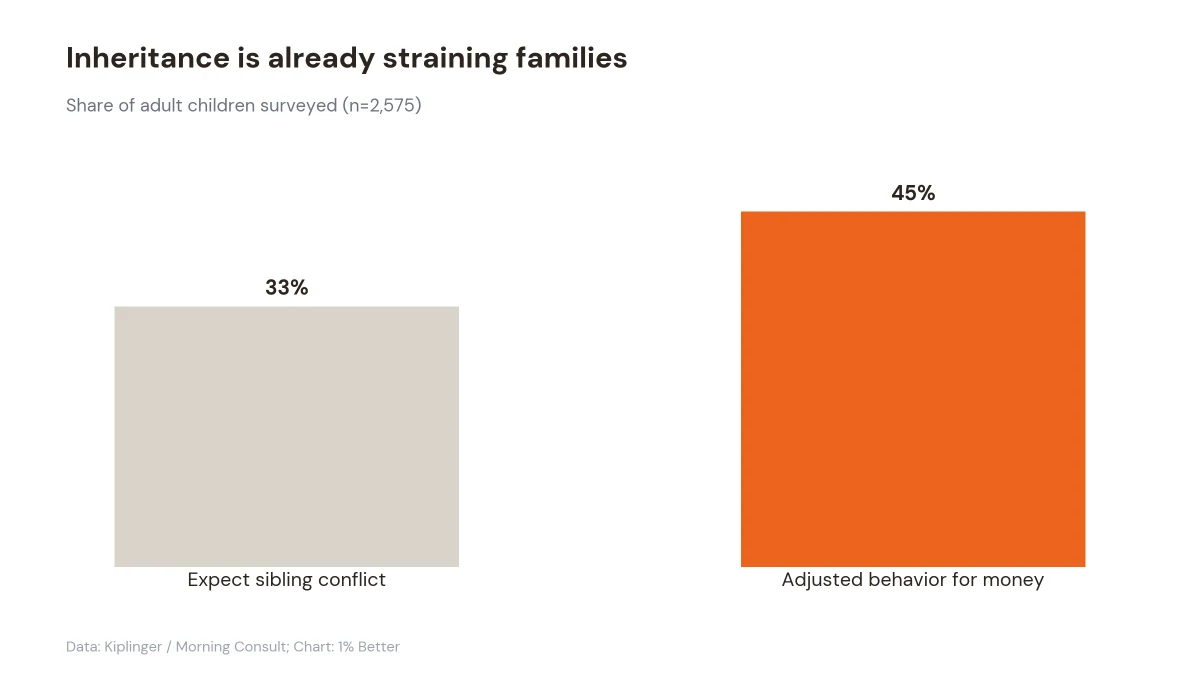
A Kiplinger and Morning Consult survey of more than 2,575 adults found a third expect inheritance to cause conflict among siblings as $124 trillion changes hands over the next two decades.
Why it matters: Nearly half of adult children, 45 percent, say they have adjusted their behavior to stay in a parent's good graces for financial reasons. Family therapists say unresolved tension often surfaces only after a parent dies, fueling what the American Bar Association calls a coming probate storm.