Daily Brief: September 4, 2026
A brain-development breakthrough, a simple warning about prolonged sitting, a hidden remote-work drag, rising executive confidence, and a tech-led market rally.
1% Better EditorialToday’s signal: small inputs can produce outsized effects, from glucose and breathing rhythms to workplace expectations and rate forecasts.
Health & Science
Scientists uncover two forces that steer the developing human brain
UCLA researchers found that glucose metabolism and early physical signals from the thalamus help stem cells decide which brain cells to build.
Why it matters: The findings give scientists a clearer map of how nutrition, metabolism, and cell-to-cell contact shape the human cortex. Brain organoids also offer a path to study developmental disorders and cancer in ways animal models cannot fully capture.
Health & Science
Long, unbroken sitting is linked to higher cancer mortality
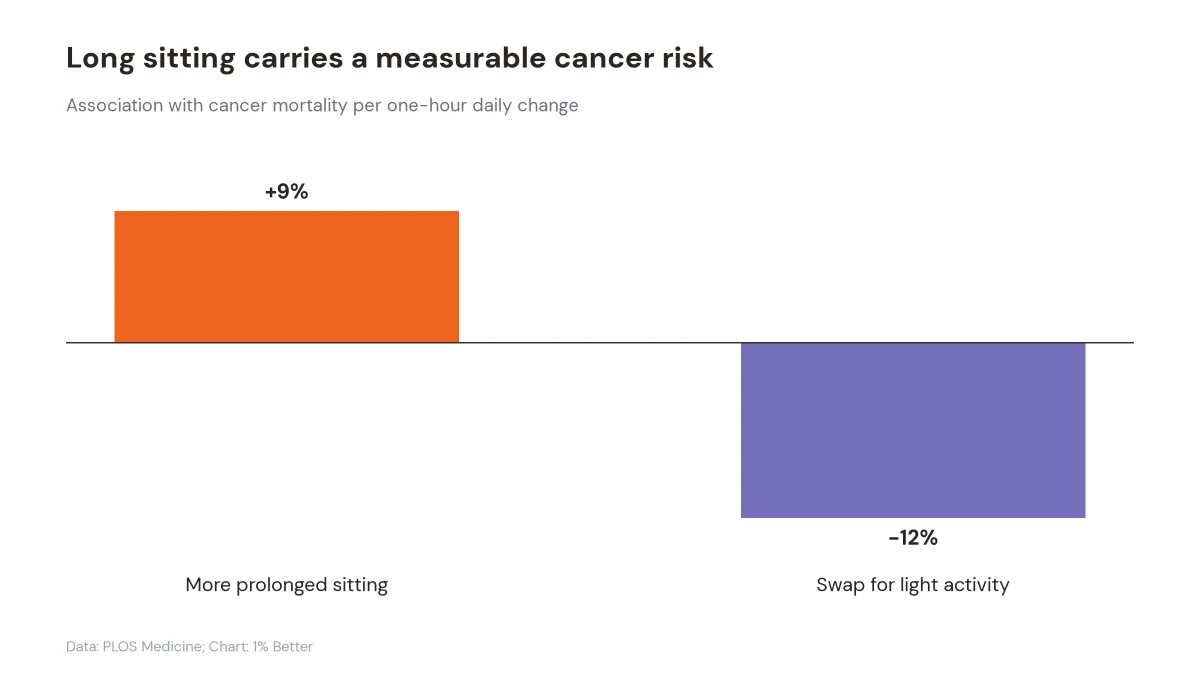
Each extra daily hour of prolonged sitting was associated with a 9% higher risk of cancer death in a study of 91,292 adults.
Why it matters: The pattern of sedentary time may matter alongside the total. Replacing one hour of prolonged sitting with light activity was associated with a 12% lower risk, giving desk workers a practical reason to build movement breaks into the day.
Self-Improvement
A longer exhale may make reward-driven choices bolder
Slow breathing with a prolonged exhale increased heart-rate variability and made people more responsive to rewards in a new experiment.
Why it matters: Breathing rhythm appears able to shift the body and brain systems involved in choice. The result gives researchers a simple lever to explore in decision-making, eating behavior, and other situations where reward sensitivity guides action.
Productivity
Remote-work bias can quietly drain team effort

A controlled study found comparable output across locations, yet office-based participants contributed less when paired with remote teammates.
Why it matters: Expectations can become a productivity problem even when remote colleagues perform just as well. Managers can protect team output by making contributions visible and addressing location-based assumptions before they shape effort.
Productivity
OpenAI’s Astra crosses a critical cybersecurity threshold

OpenAI says Astra can find unknown security flaws and develop exploits across hardened systems without step-by-step human guidance.
Why it matters: Astra is the company’s first model at its Critical cyber capability level, triggering stronger access controls, monitoring, and safeguards. The milestone expands what AI can do for defenders while raising the stakes for controlled deployment.
Self-Improvement
One immune receptor emerges as a potential aging switch

Blocking a receptor on tissue-resident macrophages restored cellular cleanup and reduced age-related decline across multiple organs in mice.
Why it matters: The study links chronic inflammation to a specific failure in how aging immune cells are cleared. It points toward a possible drug strategy for extending healthy years, though human benefits still require clinical testing.
Business & Money
Business confidence rises while expansion plans cool
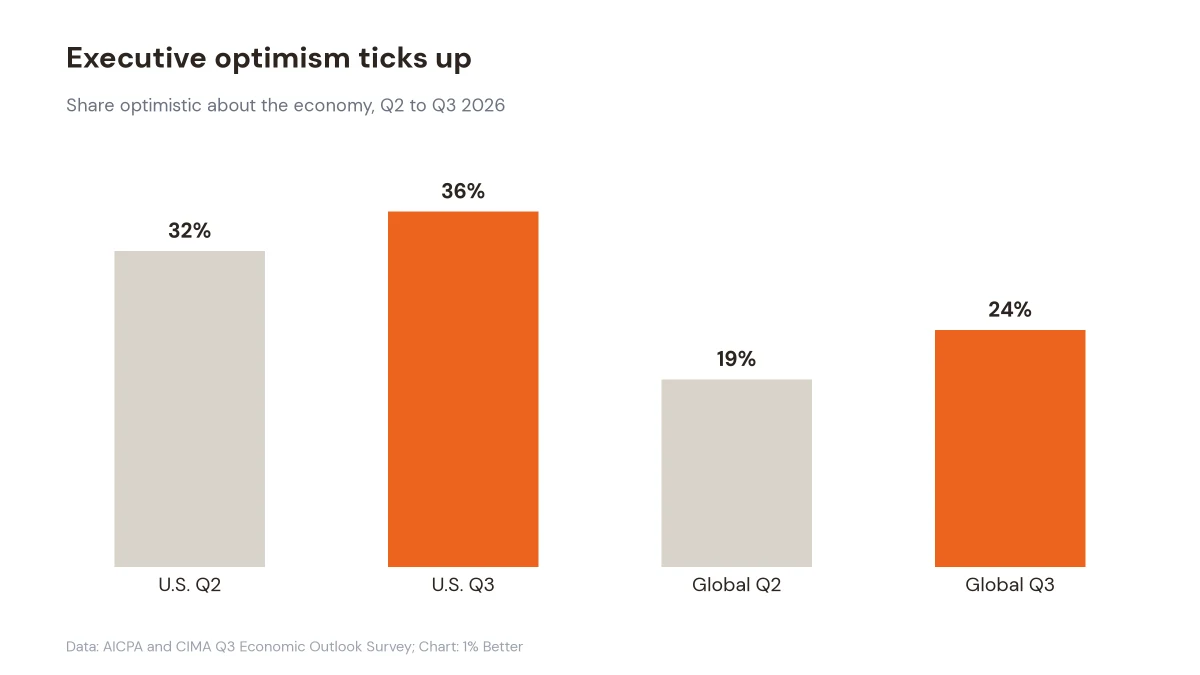
United States economic optimism among business executives rose from 32% to 36% in the third quarter, while global optimism climbed from 19% to 24%.
Why it matters: Leaders see a brighter economy while keeping capital disciplined. The share of organizations expecting to expand over the next year fell from 54% to 49%, signaling a recovery in confidence that has yet to become broad investment.
Business & Money
Tech stocks pull Wall Street into a broad rally
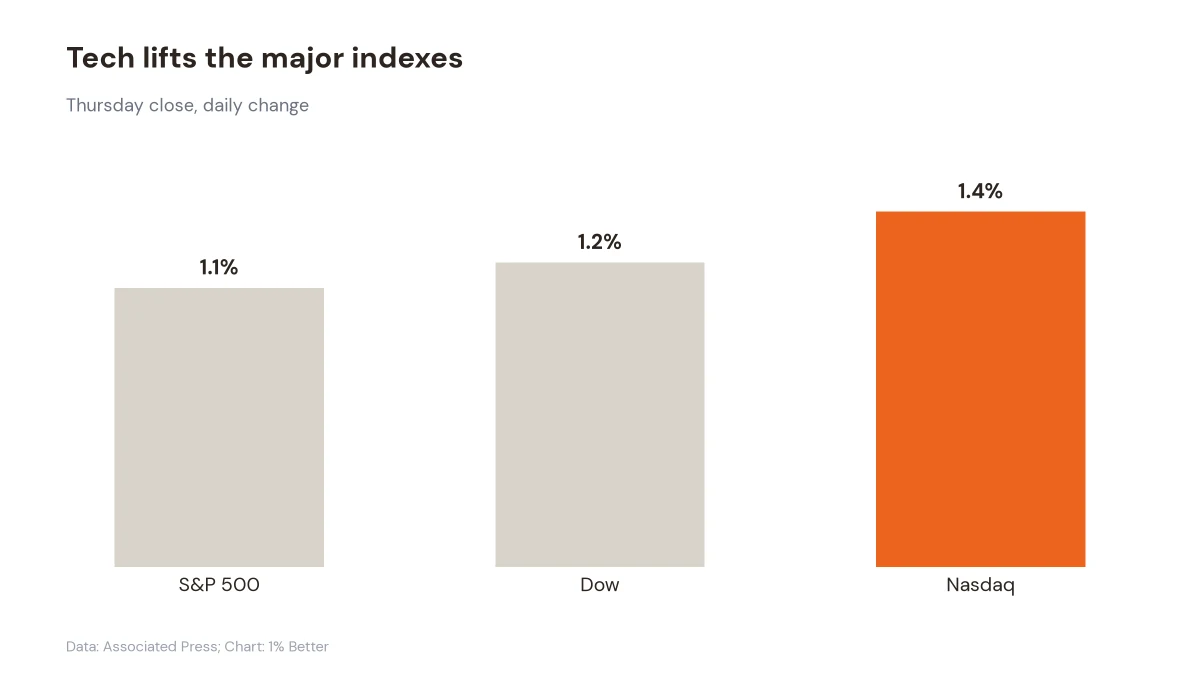
The S&P 500 rose 1.1%, the Dow gained 1.2%, and the Nasdaq climbed 1.4% Thursday as bond yields eased and large technology shares advanced.
Why it matters: Technology’s weight in major indexes lets a concentrated rally lift the wider market quickly. Softer Treasury yields also reduce pressure on expensive growth stocks and borrowing costs, with the 10-year yield ending at 4.77%.