Daily Brief: August 29, 2026
Screening that cuts cancer deaths, a nerve-repair breakthrough, AI reshaping work and doctor pay, Warsh talking tough on inflation, and the psychology of habits, help, and happiness.
1% Better EditorialA quiet late-August Saturday still delivered real signal: a cheap test that saves lives, hard numbers on AI's payoff at work, and a fresh warning from the Fed. Here is what earned your attention today.
Health & Science
A simple at-home test cuts colorectal cancer deaths by 43%
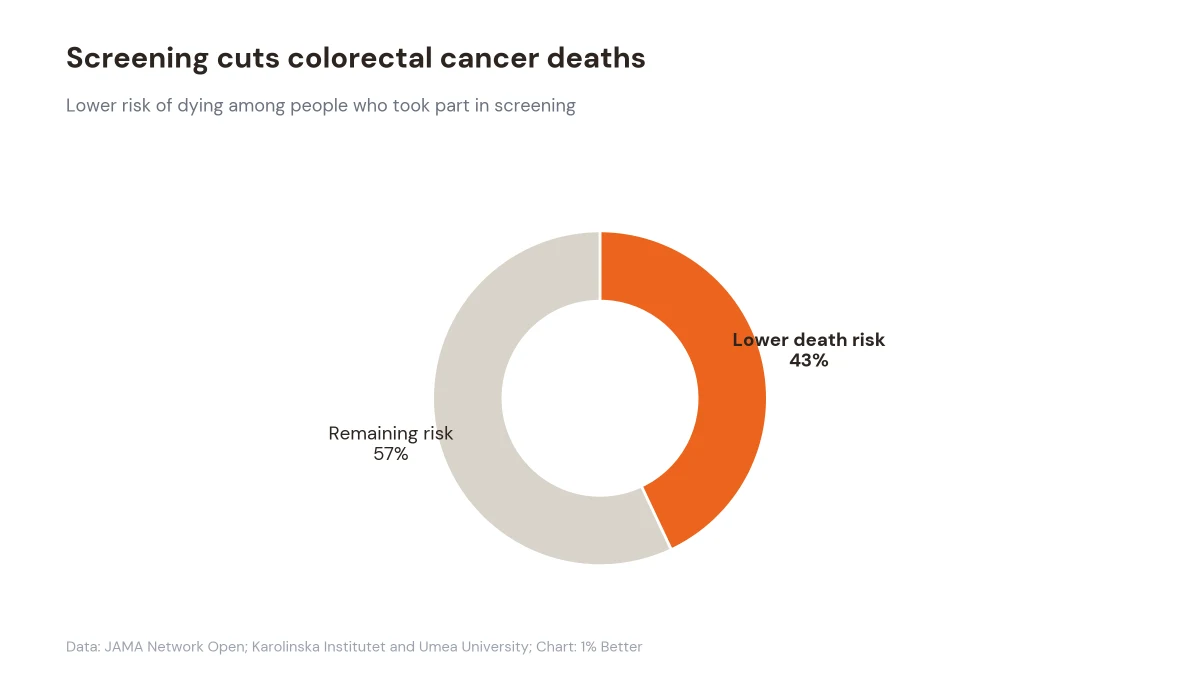
People who took part in colorectal cancer screening had a 43% lower risk of dying from the disease, according to long-term data on more than 376,000 Swedes.
Why it matters: Colorectal cancer is among the most common cancers, and the mailed stool test behind these numbers is cheap and easy to complete at home. The findings, published in JAMA Network Open, strengthen the case for simply showing up when your screening kit arrives.
Health & Science
Scientists find a molecular brake that keeps damaged nerves from healing
Mount Sinai researchers discovered that a protein called AHR acts like a brake on nerve repair, and blocking it helped injured nerves regrow in mice.
Why it matters: Nerve and spinal cord injuries often cause lasting loss of movement and feeling because adult neurons regrow poorly. The Nature study points to a drug target that could one day shift neurons from mere survival back toward rebuilding connections, improving recovery.
Productivity
Half of euro area workers now use AI on the job
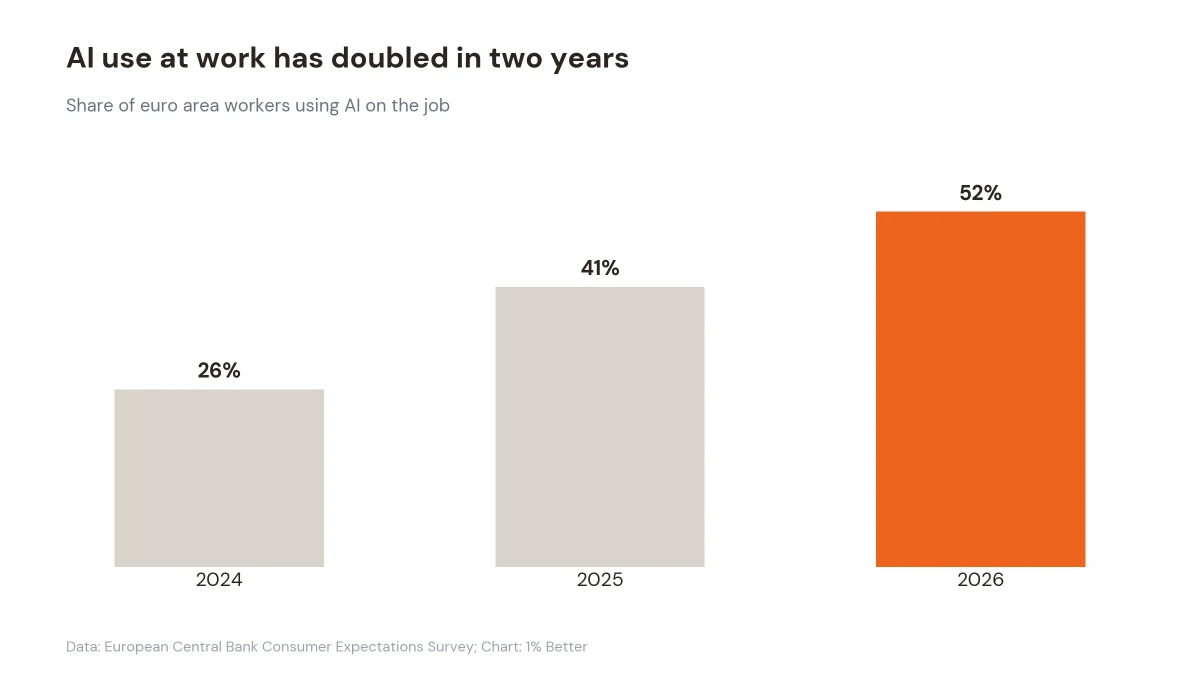
The share of workers using AI at work has doubled in two years to 52% in 2026, and users report saving a median of three hours a week, ECB research found.
Why it matters: Three saved hours equals about 7.7% of a typical work week, though the ECB cautions the economy-wide efficiency gain is closer to 3.8% once you count only workers who actually save time. The payoff lands solely when those freed hours turn into real output.
Productivity
Most doctors use AI weekly, and 40% want a cut of the savings
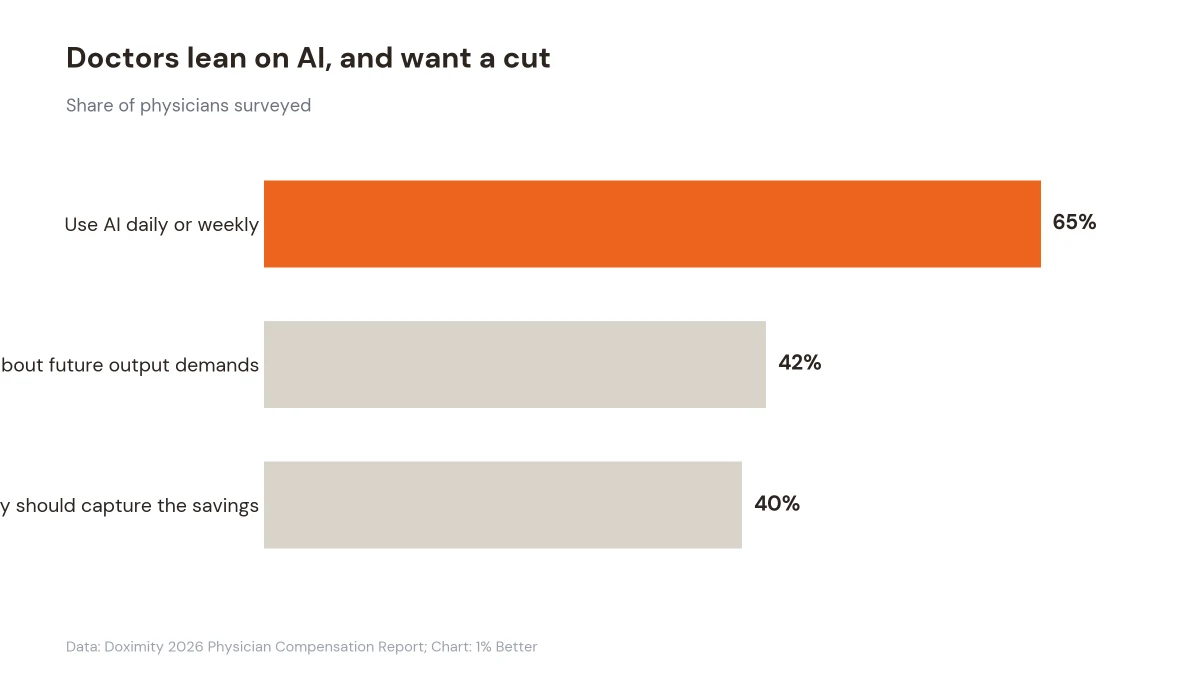
More than 65% of physicians now use AI for clinical or administrative work each week, and 40% think they should capture most of the resulting cost savings.
Why it matters: A Doximity survey of nearly 23,000 U.S. doctors shows AI moving from novelty to daily habit, and it is starting to reshape pay talks. A fifth of respondents already face higher productivity expectations, and 42% expect that pressure to grow.
Business & Money
Fed chair Warsh signals the inflation fight may need more work
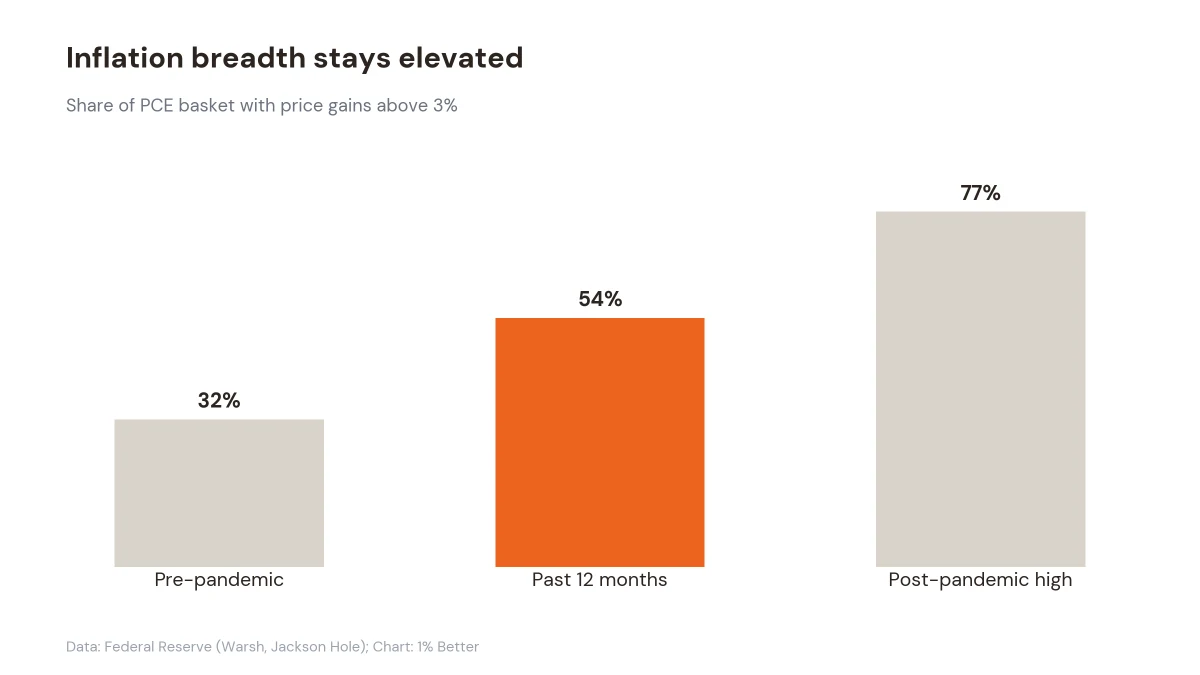
Fed chair Kevin Warsh told the Jackson Hole symposium that 54% of the PCE basket saw price gains above 3% over the past year, keeping inflation his top focus.
Why it matters: Warsh's hawkish tone pushed markets to price a 55% chance of a September rate hike, a sharp turn from the cuts many investors had expected. Higher rates ripple straight into mortgages, credit cards, and the cost of running a business.
Business & Money
Companies report AI productivity gains of 8% to 12%
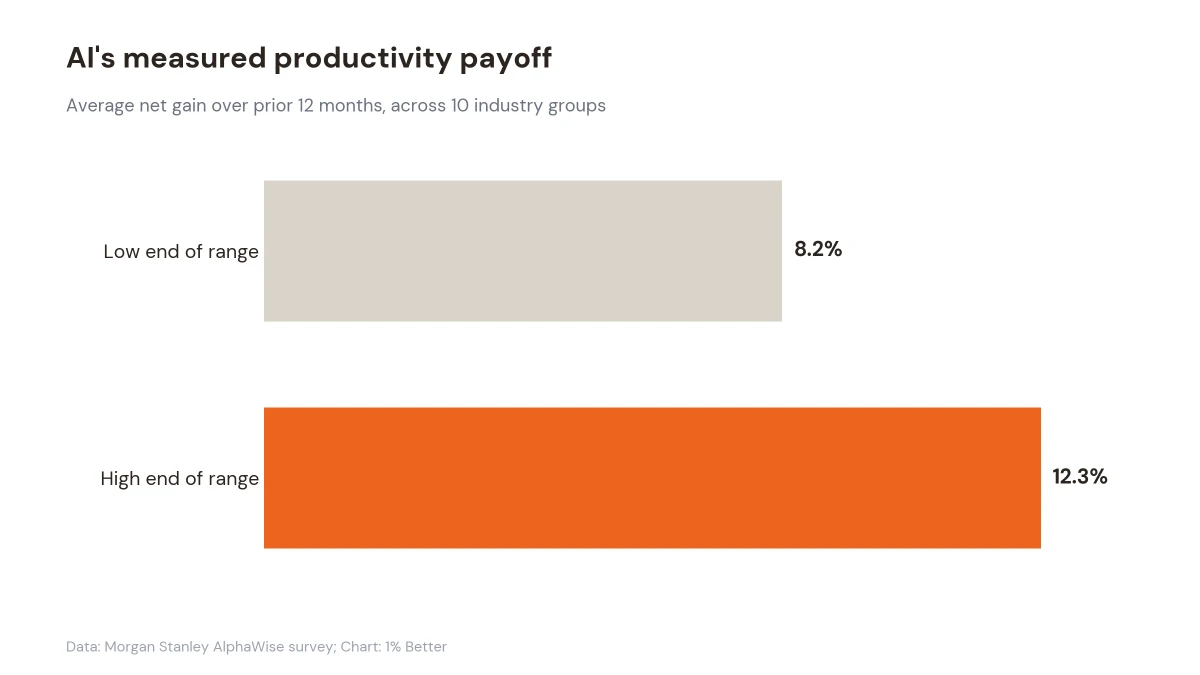
Across 10 industry groups, executives told Morgan Stanley that AI lifted net productivity by 8.2% to 12.3% over the prior 12 months.
Why it matters: The gains showed up well beyond tech, reaching consumer staples and retail, and touched functions from customer service to HR. Governance is lagging, though: just 41% of firms keep a formal inventory of their AI models with clear ownership.
Self-Improvement
Chasing happiness too hard can drain your self-control
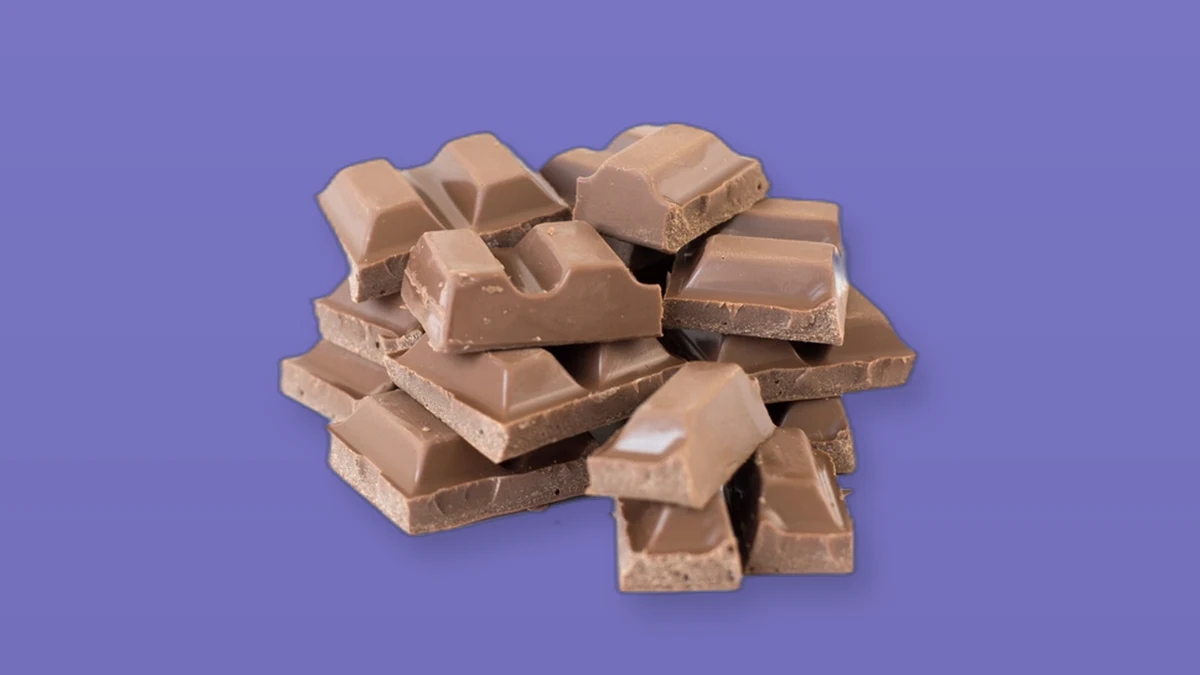
A 2025 study across four experiments found that effortfully trying to maximize happiness taps the same mental reserves as self-control, leaving people more prone to temptation.
Why it matters: People prompted to pursue happiness ate more chocolate and quit a hard task sooner, hinting that white-knuckling your mood can undercut the very habits that sustain it. The gentler move may be letting good moments arrive on their own.
Self-Improvement
The one habit that unites successful people: asking for help

Psychologist Angela Duckworth argues that the self-made striver is a myth, and that reaching out for help is a defining habit of high achievers.
Why it matters: Writing in The New York Times, the Grit author says even icons held up as lone geniuses leaned heavily on mentors and teams. Treating help-seeking as a skill to practice, rather than a weakness to hide, can speed your own growth.