Daily Brief: August 27, 2026
Nvidia smashes AI earnings, Merck and Moderna's cancer vaccine clears Phase 3, workplace AI use doubles, and fresh research reveals what really drives discipline and lasting habits.
1% Better EditorialYour Thursday brief: an AI earnings blowout, a cancer vaccine breakthrough, and new science on how habits and discipline actually take hold.
Business & Money
Nvidia blows past estimates as AI spending surges
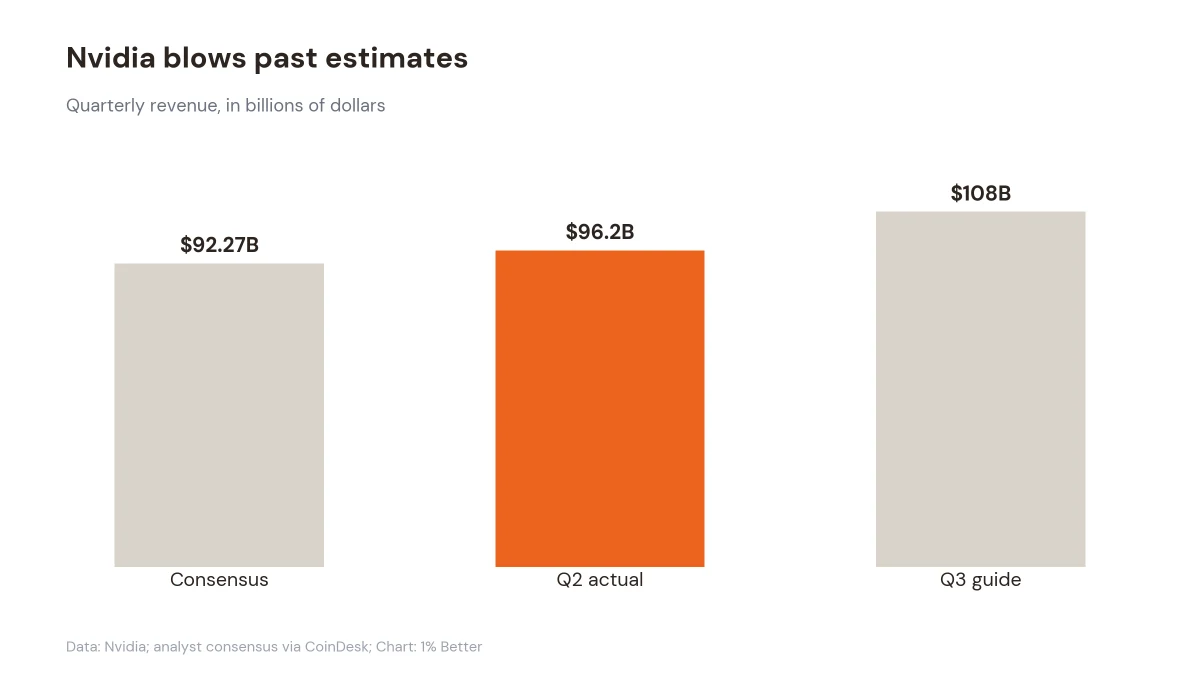
Nvidia reported $96.2 billion in quarterly revenue, up 106% from a year ago and well ahead of the $92.27 billion Wall Street expected.
Why it matters: Data center sales hit $89 billion and the company guided to $108 billion next quarter, a signal that the AI buildout powering the market keeps accelerating. As the most valuable US company, Nvidia sets the tone for the entire tech sector.
Health & Science
Merck and Moderna's mRNA cancer vaccine hits Phase 3 goals
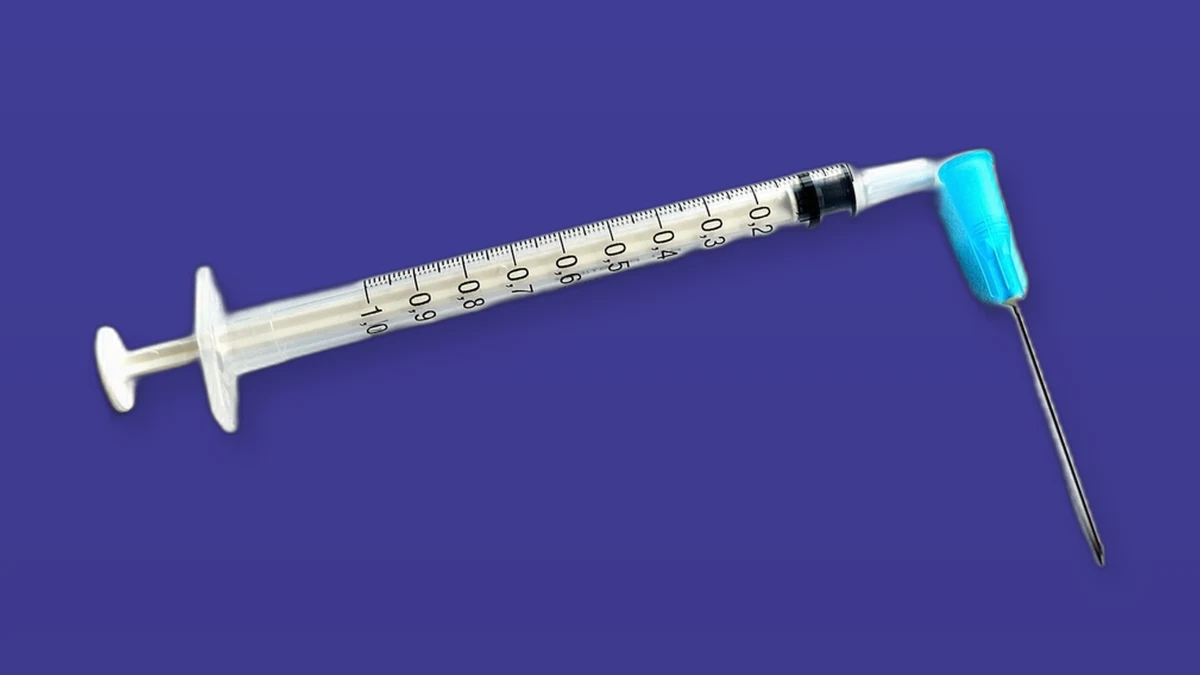
A personalized mRNA vaccine paired with Keytruda met its main goals in a Phase 3 melanoma trial, cutting the risk of cancer returning after surgery.
Why it matters: It is the first combination to significantly improve both recurrence-free and metastasis-free survival over Keytruda alone in advanced melanoma. The companies plan to seek regulatory approval, a milestone for custom mRNA cancer therapy.
Productivity
AI use at work has doubled in two years, ECB finds
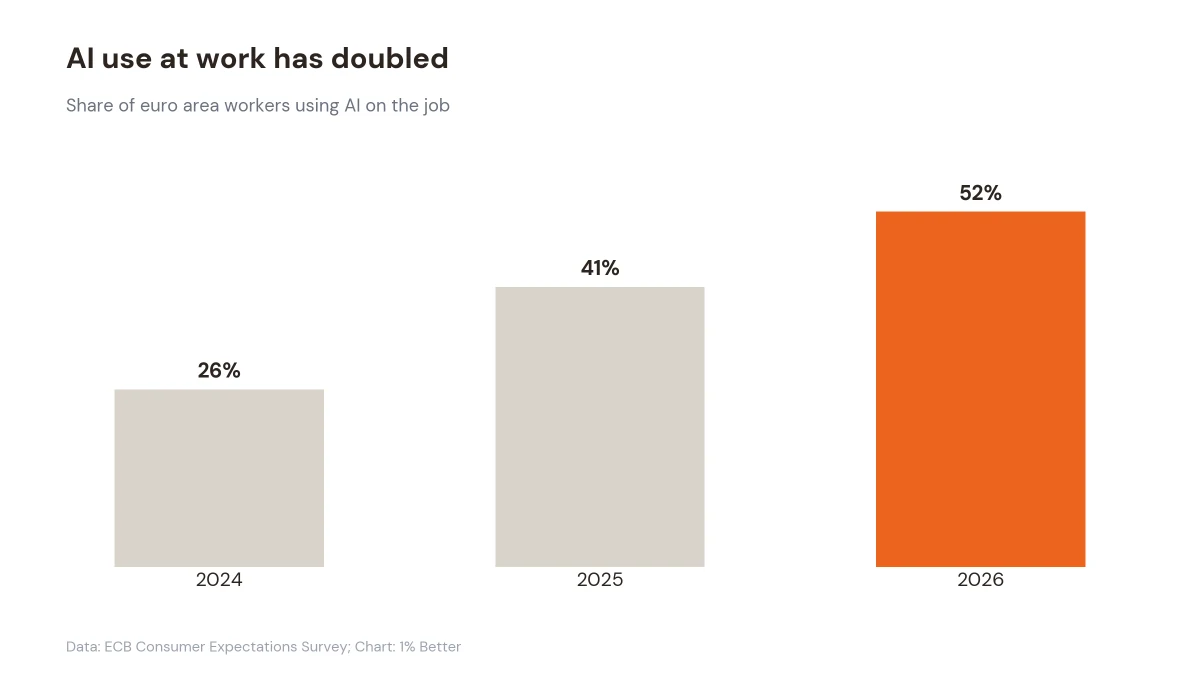
A majority of euro area workers now use AI on the job, up from 26% in 2024 to 52% in 2026, according to a new European Central Bank survey.
Why it matters: Managers and highly educated workers report the biggest time savings, and adoption reached 61% among university graduates. The gains stay uneven, which shapes how quickly AI feeds through to broader productivity.
Productivity
Workers feel fluent in AI, but the results lag the hype
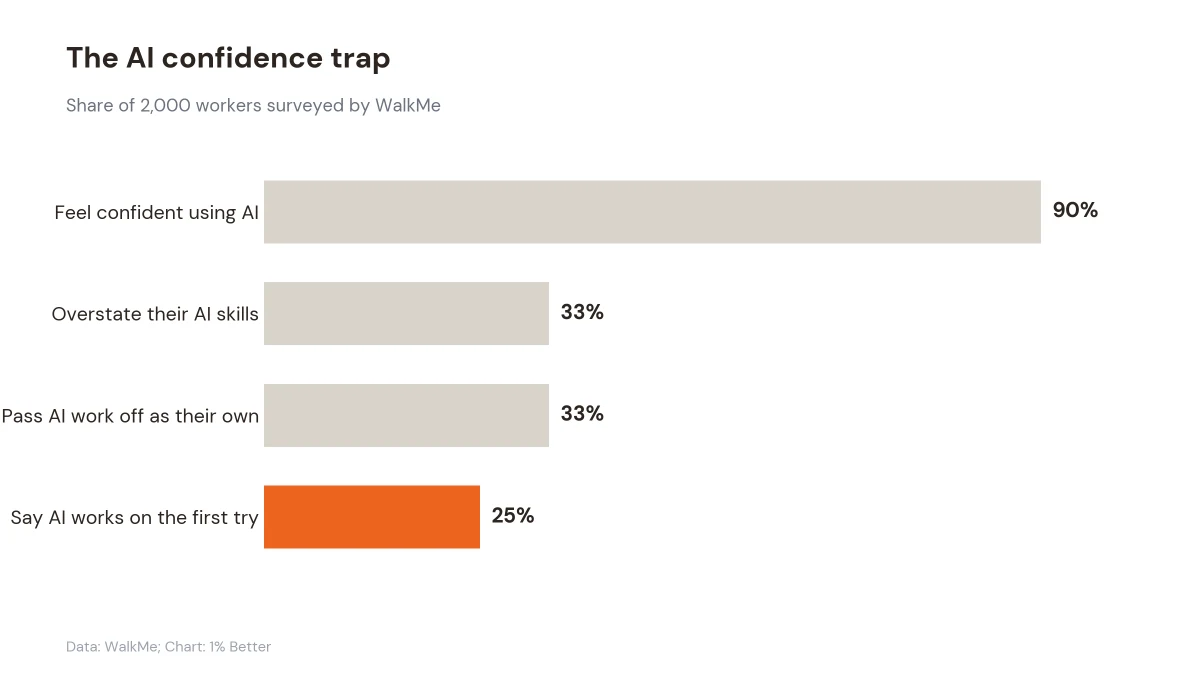
Nine in 10 workers say they feel confident using AI, yet only a quarter say it works on the first try, a WalkMe survey of 2,000 employees found.
Why it matters: A third admit to overstating their AI skills and a third have passed AI work off as their own, even as managers raise output expectations. The gap points to a confidence trap that could stall the real productivity payoff.
Health & Science
Berkeley compound burns fat by raising metabolism
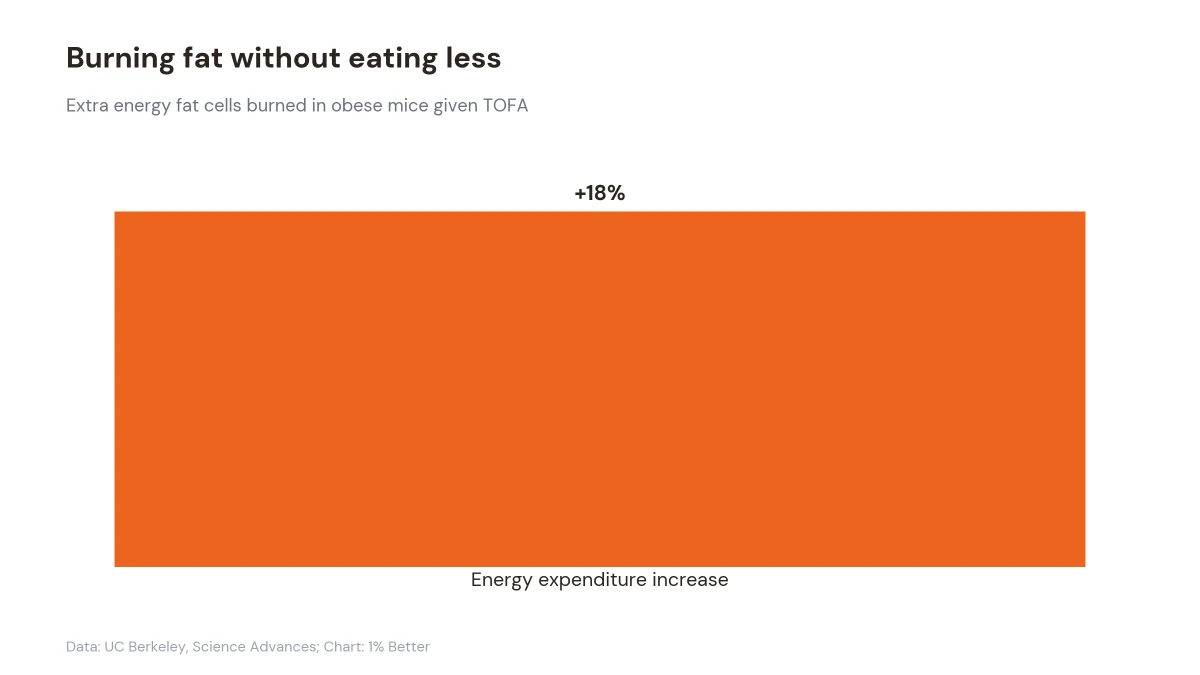
A compound called TOFA helped obese mice burn up to 18% more energy and shed fat while keeping muscle, with no change in how much they ate.
Why it matters: Unlike GLP-1 drugs such as Ozempic that work by suppressing appetite, TOFA raises the body's metabolic rate, which could help preserve muscle. The results come from mice, so human trials remain the real test.
Business & Money
US consumer confidence slips for a second straight month
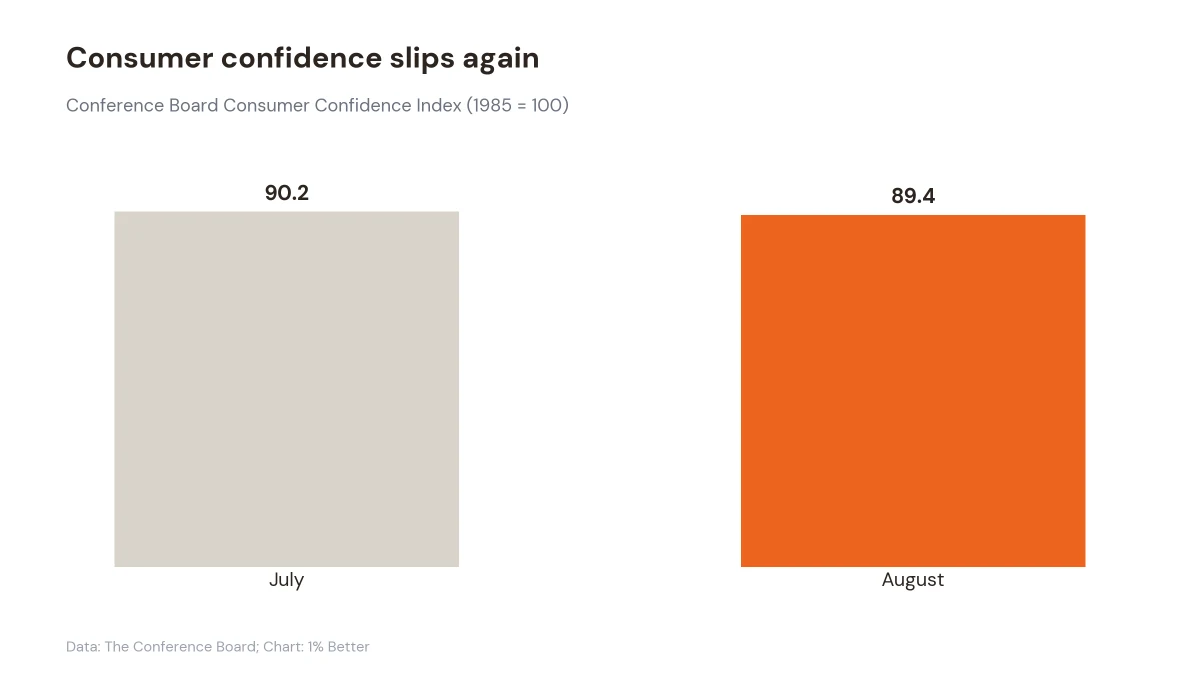
The Conference Board's Consumer Confidence Index fell to 89.4 in August from 90.2 in July, as Americans grew gloomier about jobs and business.
Why it matters: Shoppers drive about two-thirds of US economic activity, so souring moods can foreshadow slower spending ahead. More consumers also called a recession within the next year very likely.
Self-Improvement
Feeling good may fuel discipline more than the reverse
A new longitudinal study found that improvements in well-being predicted stronger self-control months later, while the opposite path stayed weak.
Why it matters: Across 377 adults in Asia and 1,299 in the US, feeling psychologically well came first and discipline followed. That flips a core assumption of self-help advice, suggesting mental health may be the foundation that habits are built on.
Self-Improvement
The 21-day habit rule is a myth: real change takes longer
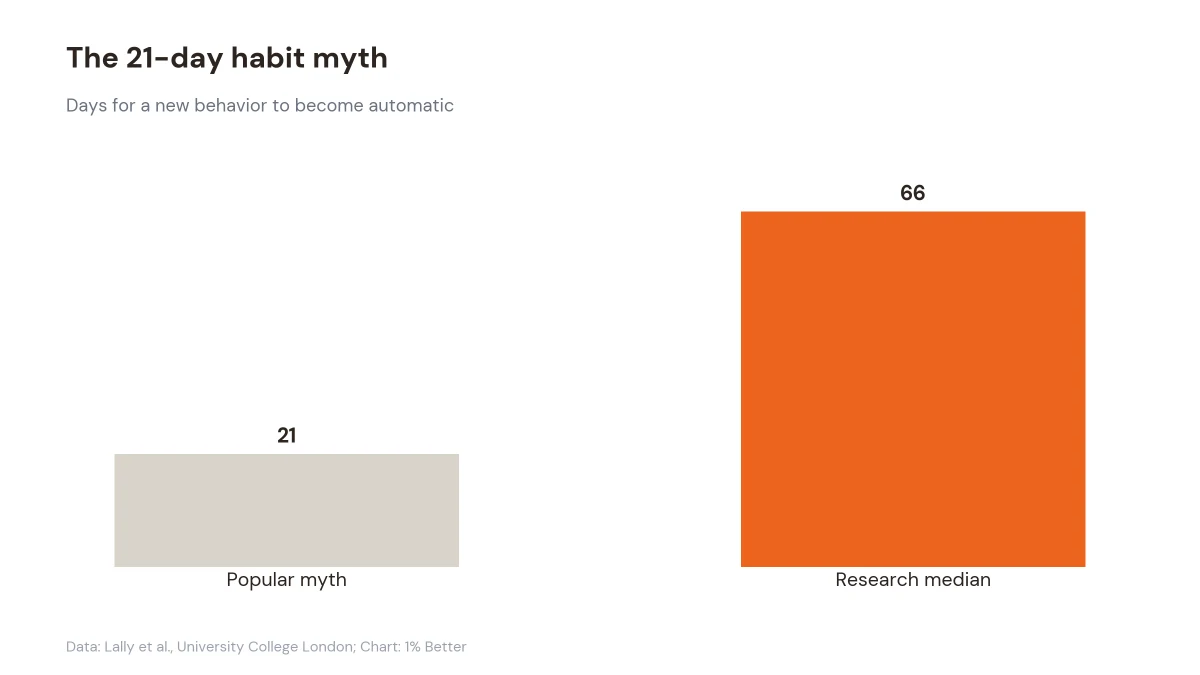
The popular idea that habits form in 21 days traces back to a 1960 self-help book, while research puts the median closer to 66 days.
Why it matters: University College London researchers tracked people building new routines and found automaticity took a median of 66 days, with wide variation between individuals. Expecting a three-week fix sets people up to quit early, so patience pays off.