Daily Brief: August 25, 2026
Safe havens surge as gold nears $4,700 and Bitcoin tops $80,000, Trump moves to double Canada auto tariffs, Ozempic beats a rival on heart risk, and AI decodes a hidden gene switch: today's brief across money, health, productivity and self-improvement.
1% Better EditorialSafe havens are surging, trade tensions are flaring, and the science of habits keeps getting more surprising. Here is what matters today.
Business & Money
Gold nears $4,700 and Bitcoin tops $80,000 as havens rally

Spot gold climbed to a three-month high near $4,700 an ounce on Tuesday while Bitcoin pushed back above $80,000 for the first time since May.
Why it matters: The twin rally signals investors are hedging against sticky US inflation and a jittery bond market. Gold has cleared its $4,530 resistance level and Bitcoin has jumped more than a quarter in a week, though it still sits well below last year's $126,000 peak.
Business & Money
Trump moves to double Canada auto tariffs to 50%
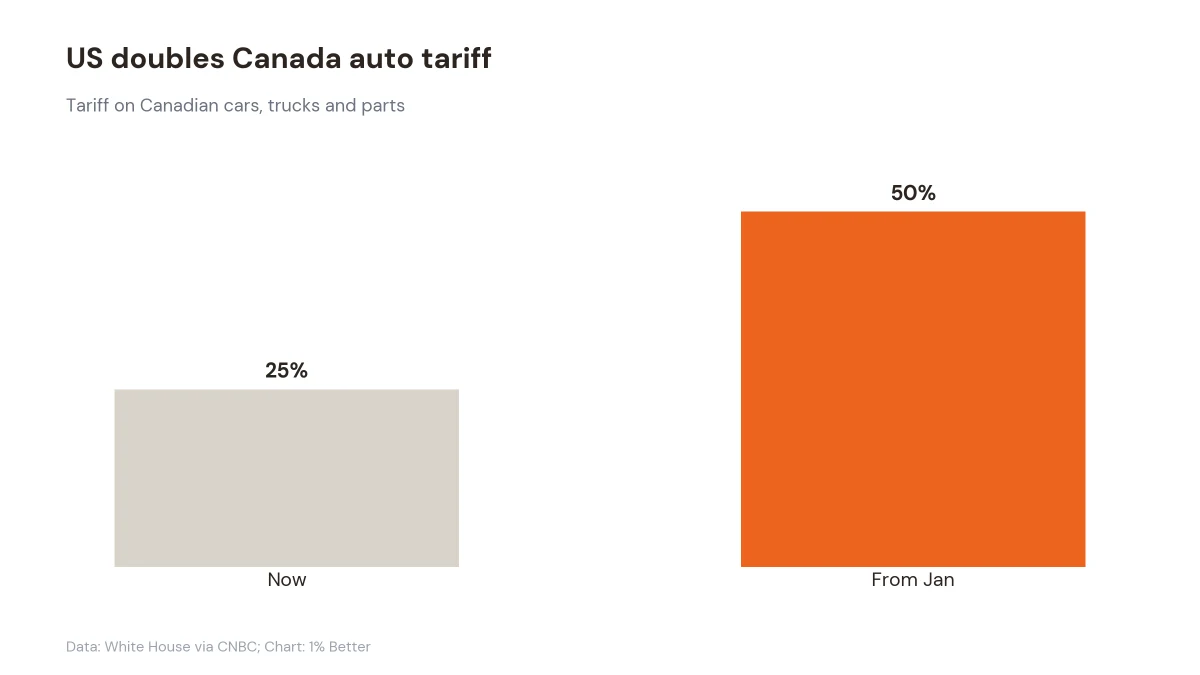
President Trump said the US will raise tariffs on Canadian cars, trucks, auto parts and steel to 50% starting in January, doubling the current 25% rate.
Why it matters: The jump raises costs across a deeply integrated North American supply chain, squeezing automakers and buyers on both sides of the border. It also deepens a trade rift after talks between the two governments broke down.
Health & Science
Ozempic cut heart attack and stroke risk 23% versus a rival drug

Novo Nordisk's REACH study found once-weekly semaglutide lowered major cardiovascular events by 23% compared with dulaglutide in older adults with type 2 diabetes and heart disease.
Why it matters: It is the first head-to-head real-world comparison of the two popular GLP-1 drugs, drawn from Medicare data on the kind of older, sicker patients that clinical trials often leave out. For millions on these medications, the specific drug chosen may carry meaningfully different heart benefits.
Health & Science
Gut microbes may turn vegetables into heart-protective compounds
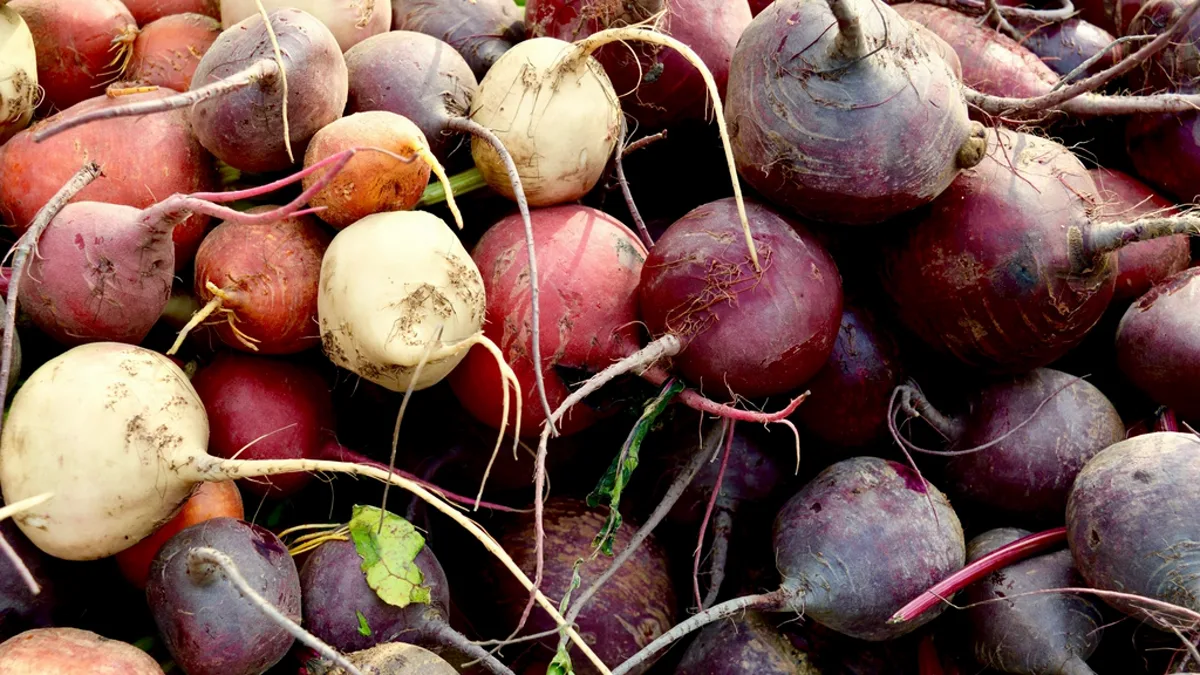
Karolinska Institutet researchers found gut bacteria convert dietary nitrate and plant iron from foods like beets and spinach into bioactive molecules that support heart and metabolic health.
Why it matters: The pathway helps explain why nitrate-rich vegetables benefit the cardiovascular system, and points to the microbiome as a target for future therapies. It reframes leafy greens and beets as raw material your gut bugs turn into protective medicine.
Health & Science
AI decodes a hidden 'on switch' in 60% of human genes
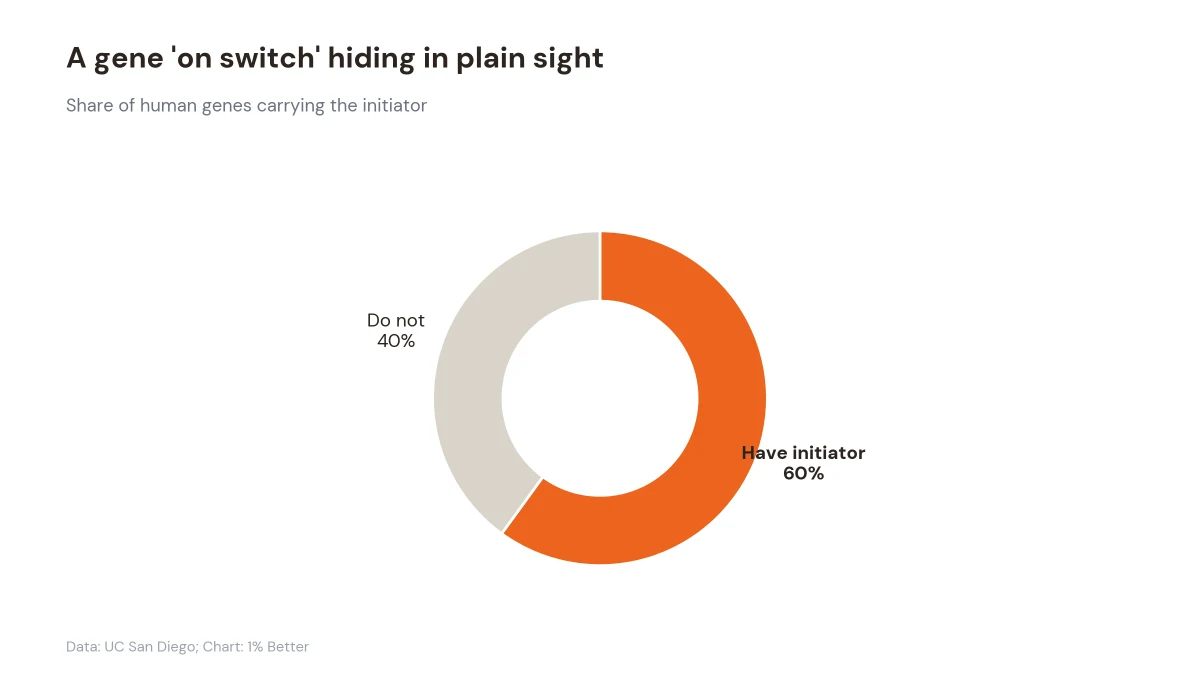
UC San Diego scientists trained an AI model on about 500,000 DNA sequences to decode the initiator, a gene-activation signal present in roughly 60% of human genes.
Why it matters: The model gives researchers a first quantitative tool to predict whether mutations at a gene's start site will disrupt its activation. That could sharpen how scientists flag the DNA changes that drive cancer and other diseases.
Productivity
AI cuts task time 16.7%, yet the workday barely shrinks
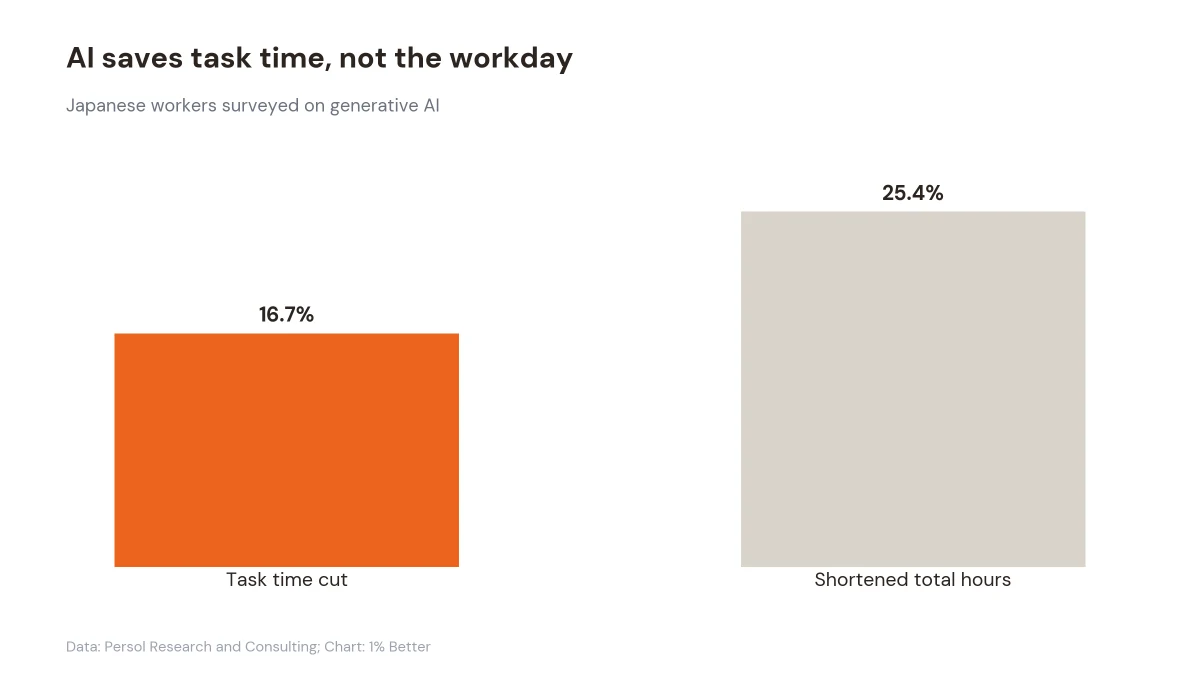
A Japanese government report found generative AI reduced task-specific work time by 16.7% on average, yet only 25.4% of workers actually shortened their total hours.
Why it matters: Time saved is being refilled with new tasks, a pattern researchers call work multiplication, and the heaviest AI users logged the longest overtime. The finding warns leaders that efficiency tools alone leave workers stuck with the same long days.
Self-Improvement
Feeling good may build willpower more than willpower builds happiness

A longitudinal study across US and Asian samples found that gains in psychological well-being predicted stronger self-control months later, reversing the usual assumption that discipline comes first.
Why it matters: It suggests the path to better habits may start with feeling well rather than with grinding self-denial. Improving mood, rest and support could make discipline easier to sustain, flipping the standard self-improvement script.