Daily Brief: August 22, 2026
Unitree's blockbuster robot IPO, the bond-market squeeze facing the Fed, fresh four-day-week and remote-work data, plus new science on kratom, dry cleaners, stairs, and posture.
1% Better EditorialMarkets brace for the Fed while robots steal the show, and this week's research offers small, science-backed upgrades for your body and brain.
Business & Money
Chinese robot maker Unitree soars in record Shanghai IPO debut
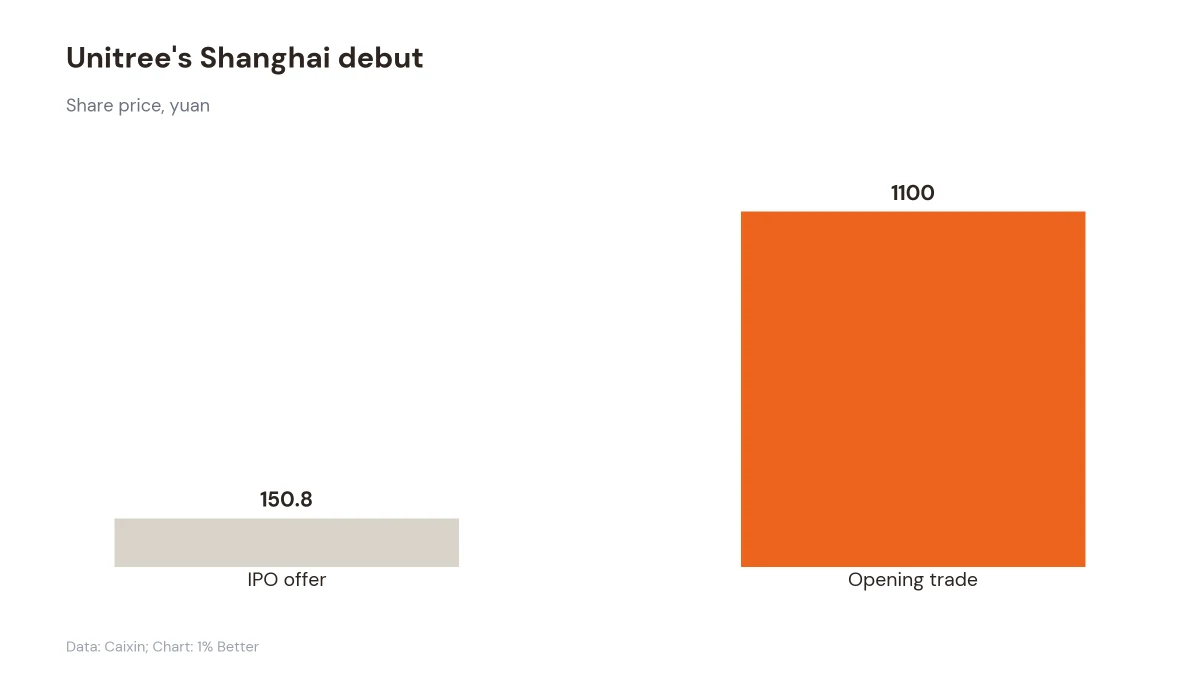
Humanoid robot maker Unitree raised 6.1 billion yuan ($905 million) in a Shanghai listing that was oversubscribed more than 8,000 times, a record for the STAR Market.
Why it matters: The frenzy signals how hungry investors are for humanoid robotics, one of China's priority industries. Unitree shares opened at 1,100 yuan against a 150.8 yuan offer price, valuing the company around 445 billion yuan.
Business & Money
Bond market turmoil raises the stakes for Warsh's Jackson Hole debut
Rising Treasury and mortgage rates have put pressure on new Fed Chair Kevin Warsh ahead of his first Jackson Hole address next Friday.
Why it matters: Treasury Secretary Bessent's bond buybacks have failed to calm yields, so markets are looking to Warsh for a clearer plan. His tone on rates could move mortgages, stocks, and the dollar.
Productivity
The four-day workweek has strong evidence, but a hard path to reality
A researcher who has tracked four-day-week pilots for seven years says the data is compelling, yet AI abundance alone is unlikely to shorten the workweek.
Why it matters: In trials, workers rated the four-day week 9.1 out of 10 and 97% wanted to keep it, while companies reported an 8% revenue bump. History suggests culture and incentives, more than technology, decide how much we actually work.
Productivity
Big study finds remote workers stay just as connected as onsite peers
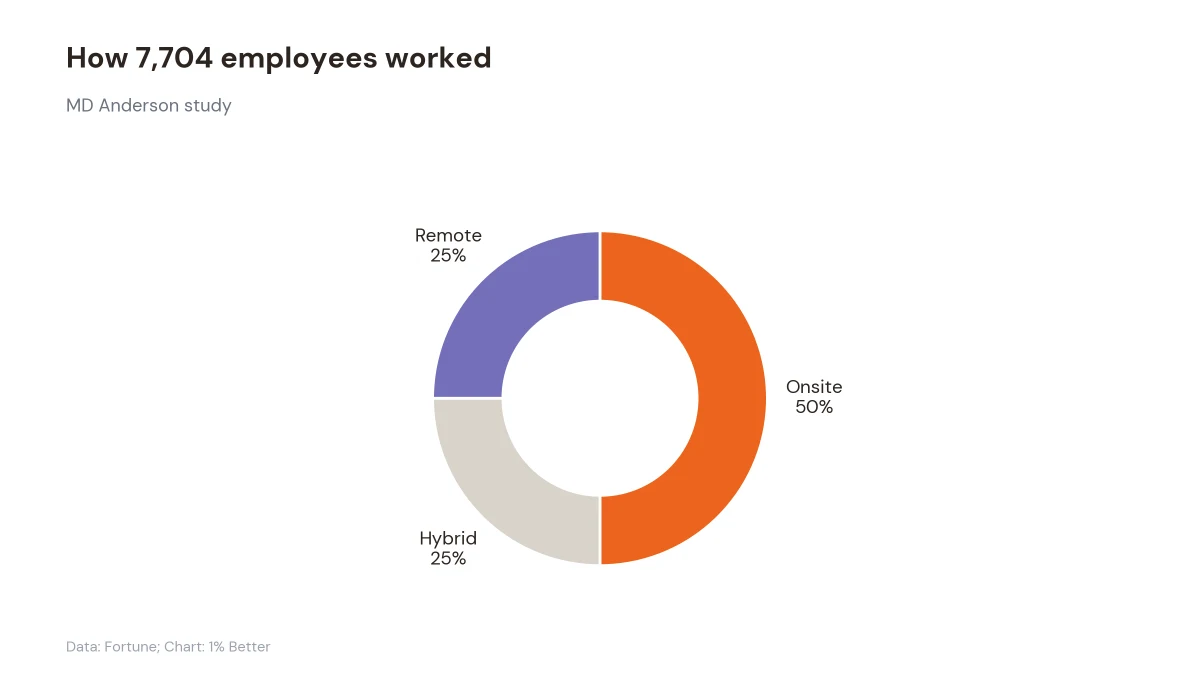
A study of 7,704 employees at a major cancer center found fully remote staff felt as connected to colleagues as onsite workers and were less likely to quit.
Why it matters: The findings undercut a core argument behind return-to-office mandates from executives like Musk and Dimon. For managers, flexible arrangements may aid retention while keeping teams cohesive.
Health & Science
Kratom poison-center cases in the US have surged 6,500% since 2010
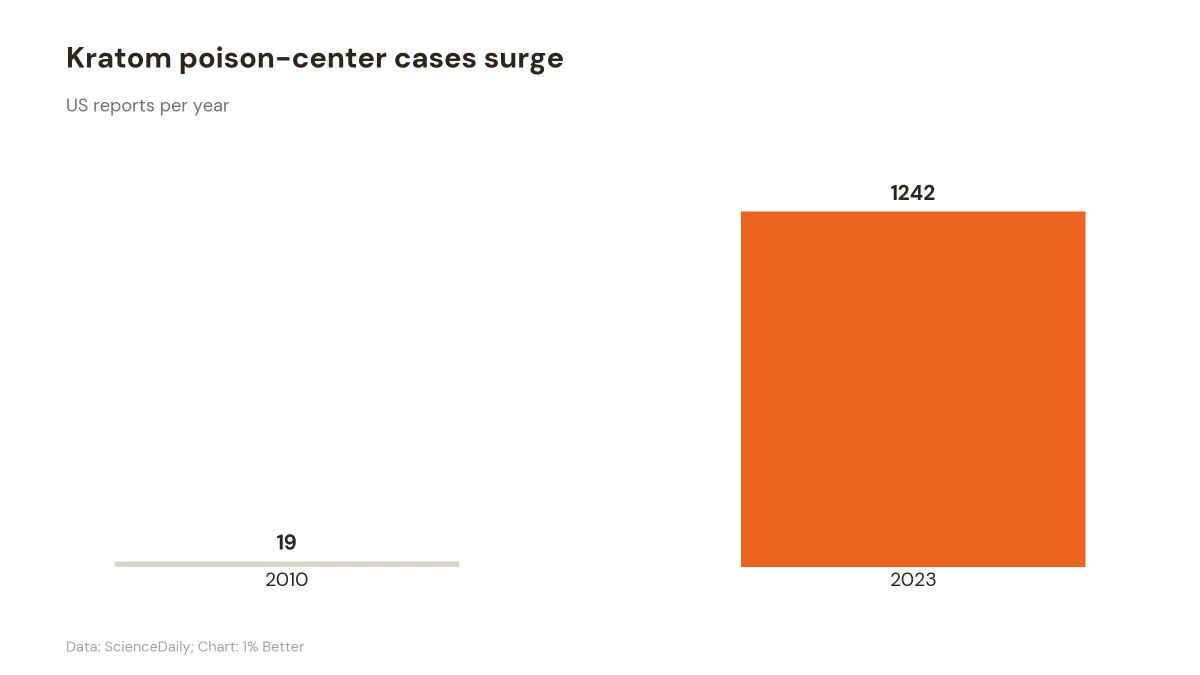
US poison-center reports tied to the herbal supplement kratom jumped from 19 cases in 2010 to 1,242 in 2023, a 65-fold rise, new research shows.
Why it matters: Severe outcomes including seizures and liver injury also climbed, and were more common in states without bans. As kratom sells openly in gas stations and smoke shops, researchers are urging tougher oversight.
Health & Science
Living near a dry cleaner is linked to higher Parkinson's risk
People living within 150 meters of a dry cleaner faced up to a 23% higher estimated risk of Parkinson's disease, a nationwide US analysis found.
Why it matters: The likely culprit is trichloroethylene, a solvent long tied to Parkinson's that can drift from cleaning shops. The study strengthens evidence that where you live shapes your exposure to disease-causing chemicals.
Self-Improvement
Taking the stairs is linked to a 39% lower risk of heart death
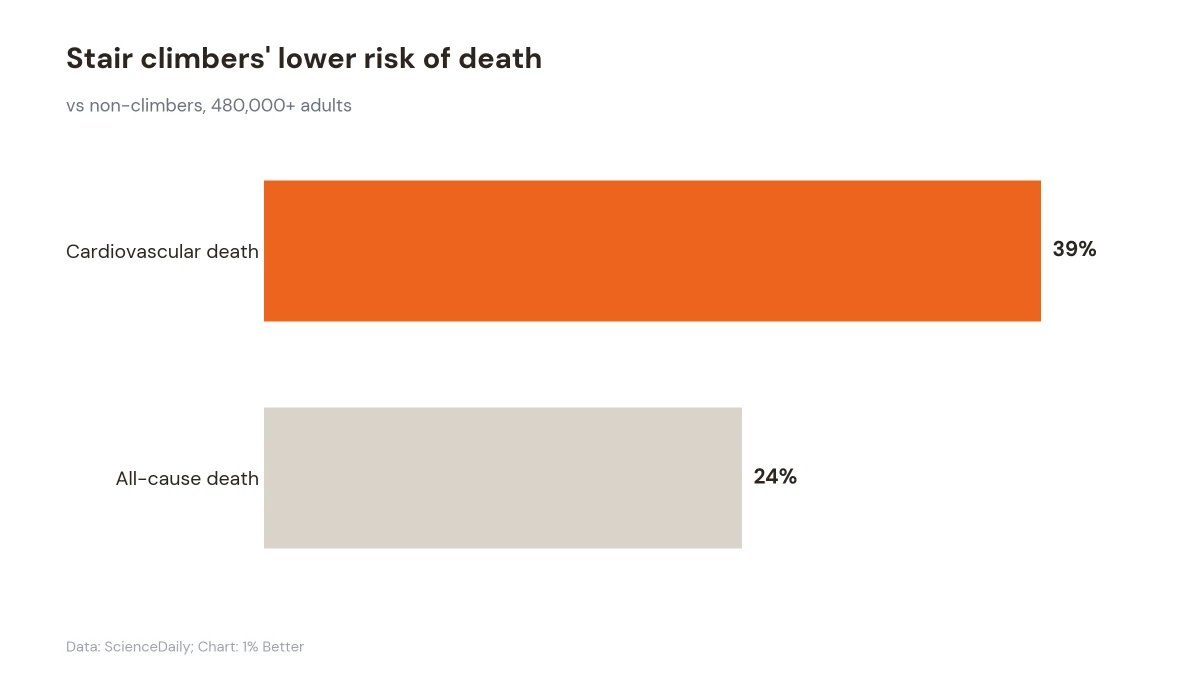
An analysis of more than 480,000 people found that regular stair climbers were 39% less likely to die from cardiovascular disease and 24% less likely to die overall.
Why it matters: Stair climbing is a free, high-intensity burst of exercise that most people can fit into daily routines. The results add to evidence that small, repeated movement compounds into major long-term health gains.
Self-Improvement
Sitting up straight may lift your mood and sharpen decisions

In a McGill University experiment with nearly 200 people, those prompted to sit upright reported more pride and made better risk-reward choices than slouchers.
Why it matters: Upright participants took smarter risks in a balloon game and earned more, without turning reckless. The finding hints that a quick posture reset could nudge your emotions and judgment before a big decision.