Daily Brief: August 21, 2026
Wall Street slides on rising bond yields, Walmart flashes consumer caution, and Nvidia disputes a China chip report, plus fresh science on coffee, protein, dirty air, and the quiet power of a steady daily routine.
1% Better EditorialMarkets wobbled and Big Retail sounded a caution flag, while researchers served up practical wins for your body and your calendar.
Business & Money
Wall Street slides as bond yields climb
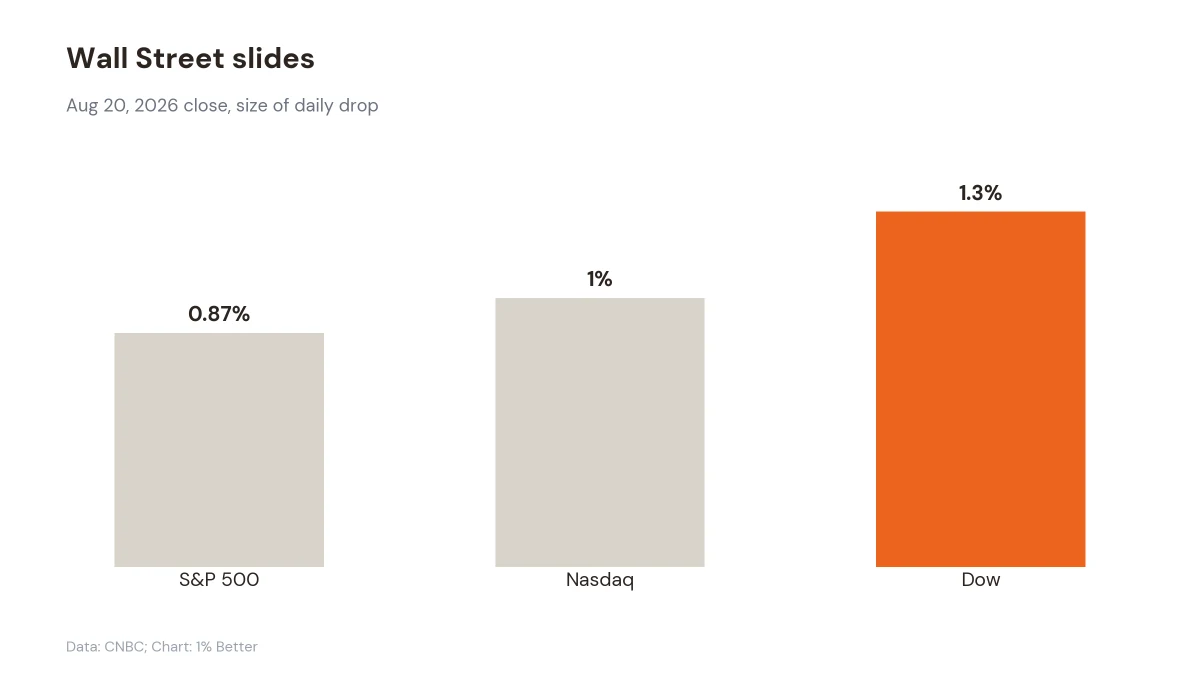
US stocks fell Thursday, with the Dow dropping 1.3% as rising Treasury yields rattled a market that had been riding record highs.
Why it matters: Higher yields raise borrowing costs across the economy and make bonds a tougher rival for stocks. The three-day slide signals investors are growing anxious about the Treasury's heavy debt load, even as they bet the Fed cuts rates next month.
Business & Money
Walmart tops estimates but US store sales cool
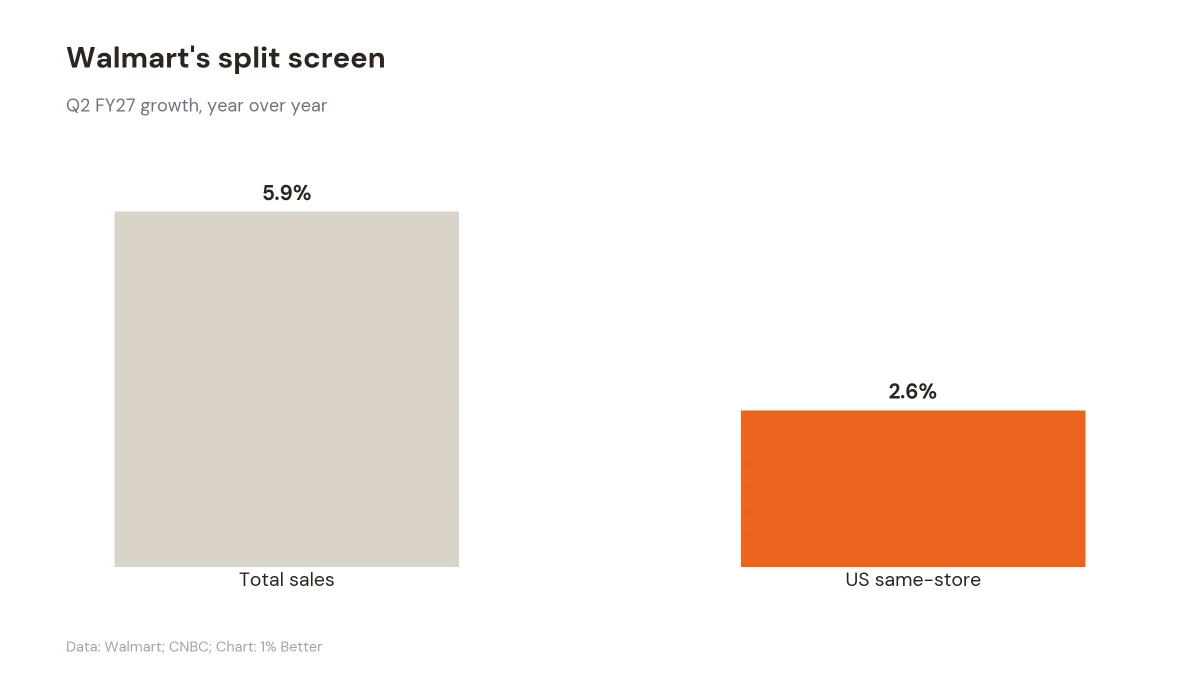
Walmart beat Wall Street targets with total sales up 5.9% to $187.9 billion, yet growth at established US stores hit its slowest pace in more than six years.
Why it matters: Walmart is a bellwether for the American consumer, and the 2.6% same-store gain suggests shoppers are getting choosier even as online orders jumped 23%. The stock slipped despite the beat, a sign Wall Street wanted more from the retail giant.
Business & Money
Nvidia disputes report of a new China AI chip

Nvidia pushed back on a report that it will ship a China-specific AI chip by year-end, saying the product sits nowhere on its roadmap.
Why it matters: China is a giant prize for AI chipmakers, and every signal about Nvidia's plans moves a stock now worth more than $4.8 trillion. The dispute shows how tangled US export rules have made the biggest growth market for the world's most valuable company.
Health & Science
Coffee drinkers carry less fat and more muscle

A Finnish study of 2,264 middle-aged adults found that heavier coffee drinkers had lower body fat and more muscle than lighter drinkers with the same BMI.
Why it matters: The link held even after accounting for lifestyle, hinting that coffee's compounds may nudge metabolism in a healthier direction. Researchers stress this is a correlation, so your morning cup looks like a habit worth keeping, though hardly a cure-all.
Health & Science
Eating less protein may slow aging, big review finds

A sweeping review of more than 350 studies suggests many sedentary adults eat more protein than they need, and easing back could improve metabolism and lower inflammation.
Why it matters: The finding pushes against the high-protein trend dominating fitness culture, pointing to a hormone called FGF21 that rises when protein drops and appears to guard metabolic health. Needs still vary by person, so athletes, older adults, and pregnant women may require more.
Health & Science
Dirty air may trigger arthritis flares, study finds
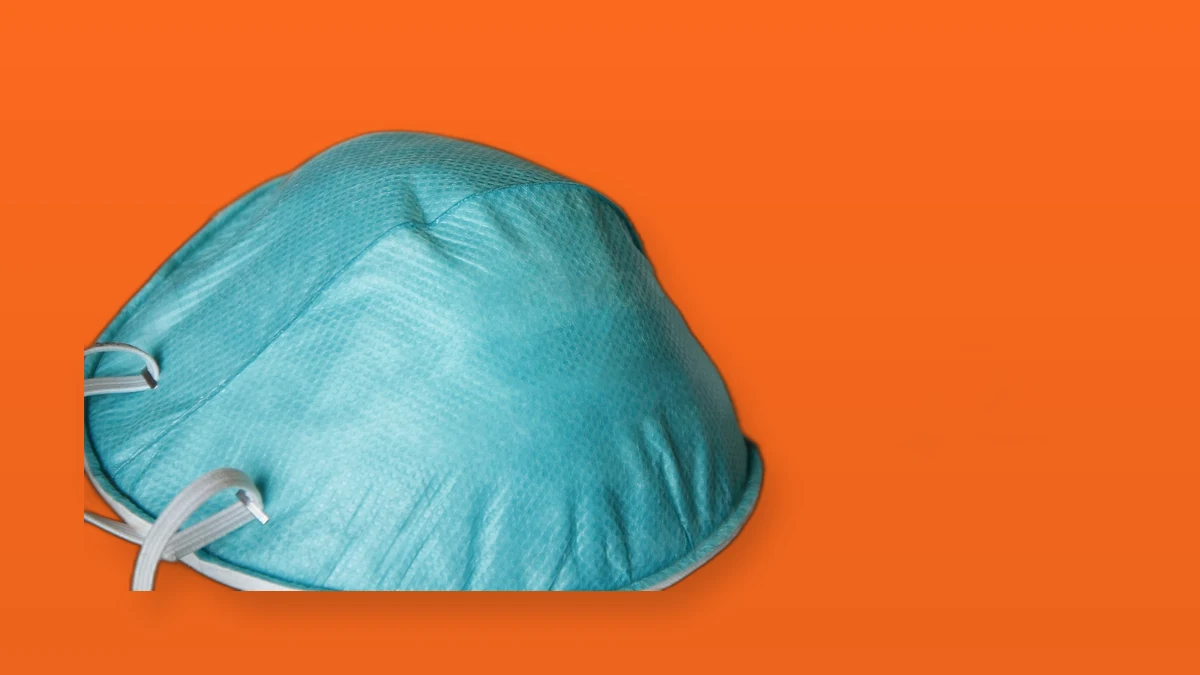
Tracking 1,070 rheumatoid arthritis patients across 12,583 visits, South Korean researchers found that fine-particle pollution raised the risk of painful flares.
Why it matters: PM2.5 from smoke, soot, and dust appears to inflame joints, with risk climbing after two weeks of exposure. For millions living with autoimmune disease, watching the local air-quality index could become part of managing their symptoms.
Productivity
AI use at work soars, but focus is slipping
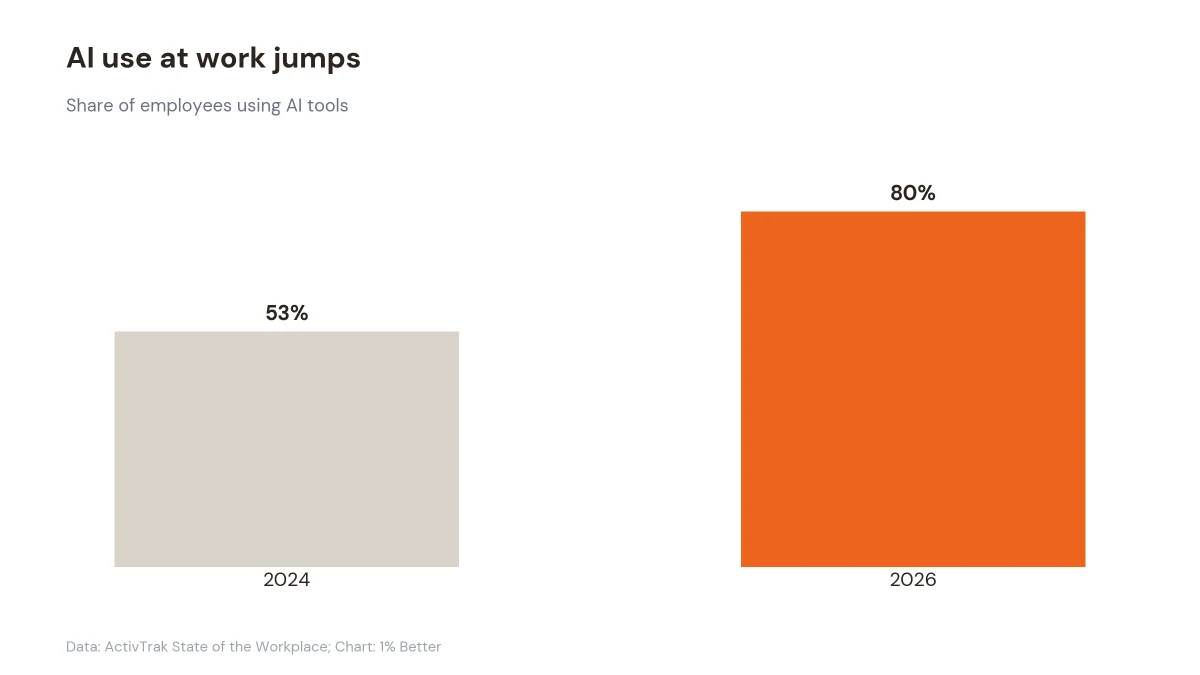
A study of 443 million work hours found AI adoption among employees jumped to 80% from 53% two years ago, even as deep-focus time fell to a three-year low.
Why it matters: Companies are betting big on AI tools, yet the same data shows collaboration up 34% while sustained attention erodes and disengagement climbs toward 25%. The takeaway: adoption is the easy part, and turning it into real productivity is the hard part.
Self-Improvement
A steady daily routine eases pain and low mood

University of Missouri researchers found that older adults who kept consistent daily schedules reported lower pain and depression, whatever their sleep quality.
Why it matters: Regular timing for waking, meals, and sleep helps sync the body's internal clock, which shapes mood and physical health. It is a free, low-effort lever anyone can pull, and it matters most for the roughly half of over-60s who battle insomnia.