Daily Brief: August 18, 2026
Today's brief: a seven-day meditation retreat reshapes the body, midlife movement guards the brain, US inflation cools to 3.4%, gold extends its rally, remote workers report the best well-being, and friendship tracks with better health.
1% Better EditorialEight quick reads across health, money, productivity, and personal growth to start your Tuesday.
Health & Science
A seven-day meditation retreat measurably changed the body
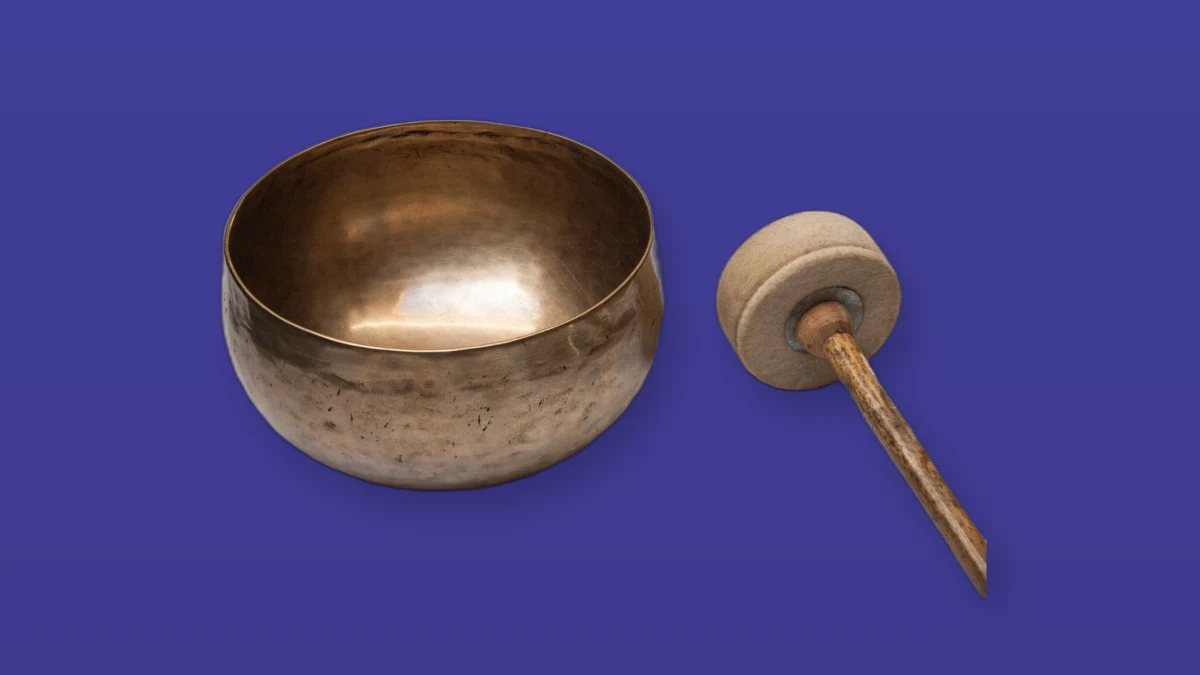
A UC San Diego study of 20 adults found that a seven-day meditation retreat shifted brain activity, immune signaling, metabolism, and the body's own pain control.
Why it matters: The changes went well beyond simple relaxation and pointed to increased neuroplasticity, the brain's capacity to rewire itself. It is early evidence that short, intensive mind-body practice can move real biology you can measure in blood and brain scans.
Health & Science
Midlife movement may protect your brain years later
Adults with more physical activity and healthy blood sugar in midlife saw slower declines in thinking skills decades on, a 402-person study found.
Why it matters: The UT Health San Antonio team found exercise mattered most for Hispanic participants, while steady blood glucose helped others. Both are within your control, so simple habits like daily walks or cycling could ease the long-term burden of dementia.
Business & Money
US inflation cooled again in July
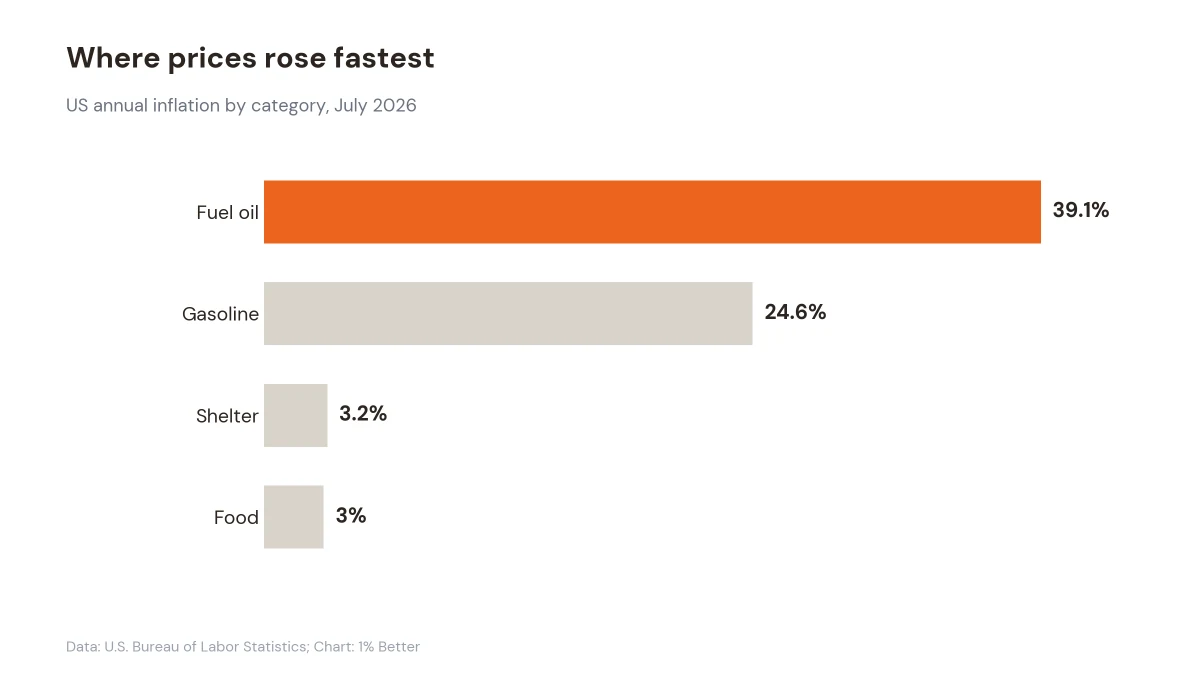
US annual inflation slowed to 3.4% in July, a second straight monthly decline from 3.5% in June as the energy shock from the Iran war kept easing.
Why it matters: Cooler prices give the Federal Reserve more room on interest rates and stretch household budgets a little further. Core inflation also eased to 2.5%, though shelter and fuel costs still climbed faster than the overall basket.
Business & Money
Gold keeps climbing toward record territory
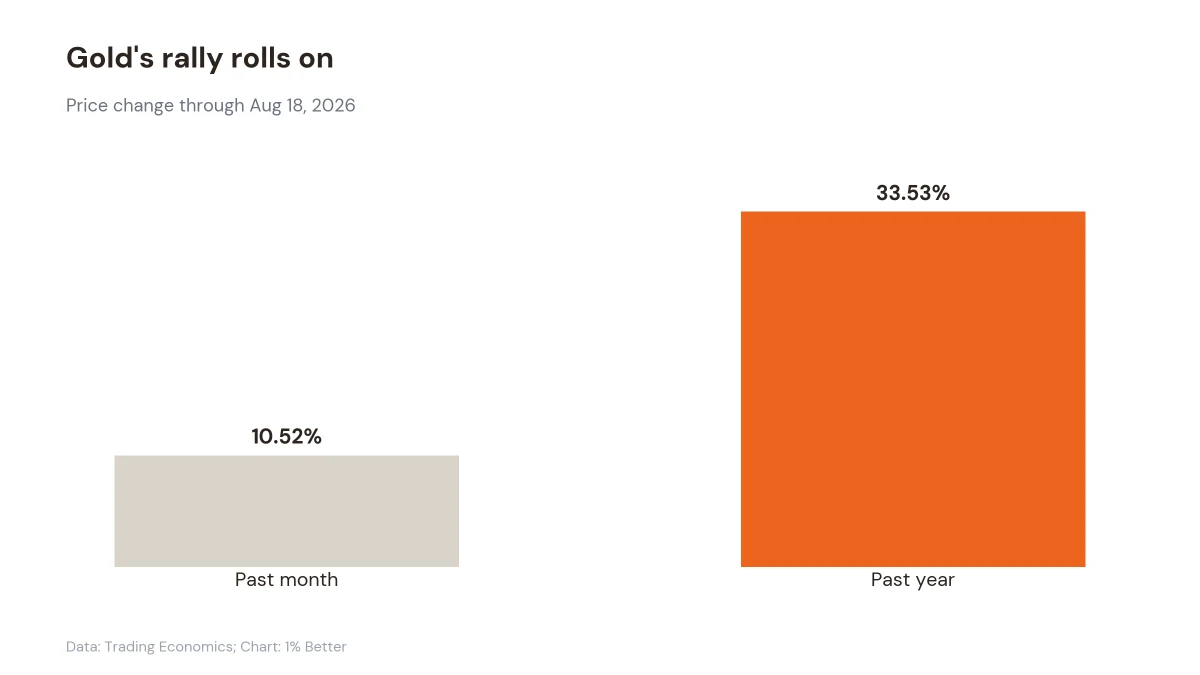
Gold rose to about $4,429 an ounce on Tuesday, up 10.5% over the past month and 33.5% from a year earlier.
Why it matters: Investors keep piling into gold as a hedge against inflation and rate uncertainty, lifting it back near January's record above $5,000. The rally rewards long-term holders and signals lingering caution about the broader economy.
Productivity
Remote workers reported the highest well-being

In a study of 7,704 employees, fully remote workers reported the highest well-being while fully onsite workers reported the lowest.
Why it matters: Remote staff also felt just as connected to colleagues and culture as their in-office peers, countering a common worry behind return-to-office pushes. The CU Boulder team's takeaway: give people a real choice of where they work and well-being follows.
Productivity
Only half of remote work hours are truly focused
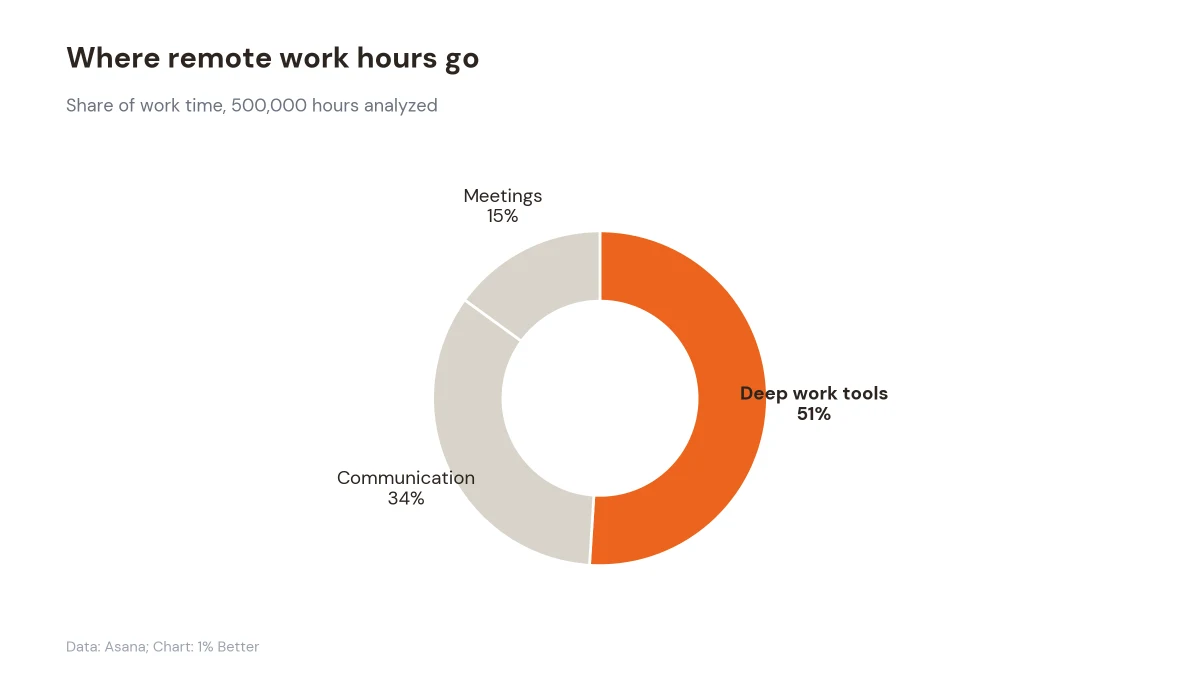
An analysis of over 500,000 hours of remote work found just 51% of time went to deep-work tools, with 34% in communication apps and 15% in meetings.
Why it matters: Communication and meetings quietly eat roughly half the workday, fragmenting the focus that produces your best output. Blocking protected deep-work windows and batching messages can reclaim hours each week.
Self-Improvement
Good friendships track with better health worldwide

Across 200,000 adults in 22 countries, people more satisfied with their friendships reported better mental and physical health, a new global study found.
Why it matters: It is one of the largest studies to link social connection with wellbeing across cultures, and it held even after accounting for childhood family ties. Investing in a few quality relationships may be as good for your body as it is for your mood.
Self-Improvement
Stop banking your happiness on the next milestone

A psychologist argues the 'arrival fallacy' quietly postpones happiness, as each achievement gets absorbed into your baseline within weeks.
Why it matters: The fix is savoring: deliberately pausing to withdraw satisfaction from the good things already in your life, before deferring it all to a future win. Research links the practice to steadier positive emotion and calmer contentment.