Daily Brief: August 14, 2026
Estrogen-only HRT tied to 39% lower dementia odds, the first mRNA flu vaccine wins FDA approval, remote jobs now demand 25% more skills, and US consumer sentiment slides to 51.0. Eight stories worth your attention today.
1% Better EditorialEight stories worth your attention today: brain health breakthroughs, a first-of-its-kind flu vaccine, the rising skill bar for remote work, and a slide in consumer confidence.
Health & Science
Estrogen-only hormone therapy linked to 39% lower dementia odds
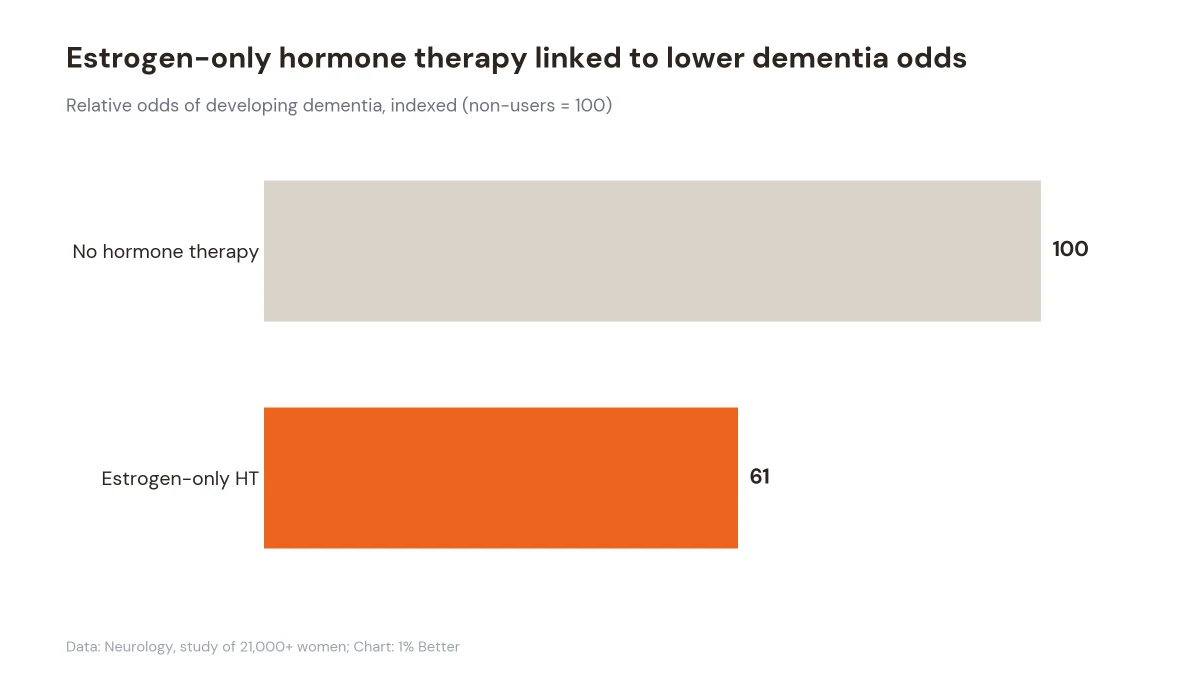
A Neurology study of more than 21,000 women links estrogen-only hormone replacement therapy to 39% lower odds of developing dementia.
Why it matters: Dementia risk is one of the biggest open questions in women's health, and this result adds real weight to the case for studying hormone timing. The association held after adjusting for age, education, and health factors, though the authors caution that clinical trials must confirm any protective effect.
Health & Science
Immune cells flood the aging brain starting in middle age, Stanford finds

Stanford Medicine scientists mapped how immune cells flood into the aging brain, with the influx starting around middle age.
Why it matters: Inflammation looks like a key driver of cognitive decline, and pinpointing when the process begins gives researchers a window to time therapies that could slow brain aging. The map opens new targets for drugs aimed at keeping the brain sharp for longer.
Health & Science
FDA approves the first mRNA flu vaccine for adults 50 and older

The FDA approved Moderna's mFlusiva, the first flu vaccine built on mRNA technology, for adults 50 and older ahead of the 2026-2027 season.
Why it matters: This is the first expansion of mRNA vaccines beyond COVID-19, and late-stage trials showed stronger immune responses than standard flu shots. It sets the stage for faster-updating vaccines that better match each season's circulating strains.
Self-Improvement
Exercise eases mental health symptoms by lowering stress and rumination

New research in Psychological Medicine finds exercise improves mental health largely by lowering perceived stress and repetitive negative thinking.
Why it matters: The mental payoff of a workout comes from how it reshapes thinking patterns, on top of the physical gains. Regular runners reported fewer anxiety and depression symptoms, with the benefit flowing through calmer stress responses.
Self-Improvement
Sleep quality beats screen time for teen success in school and friendships

UC Davis researchers found sleep quality predicts teens' school performance and friendship quality better than screen time, exercise, or diet.
Why it matters: For parents choosing one battle to fight, the data points to consistent, high quality sleep as the highest leverage habit. The study, published in Psychological Medicine, tracked adolescents' daily habits alongside academic and social outcomes to rank what actually moves the needle.
Productivity
Remote roles now demand about 25% more skills, narrowing early-career doors
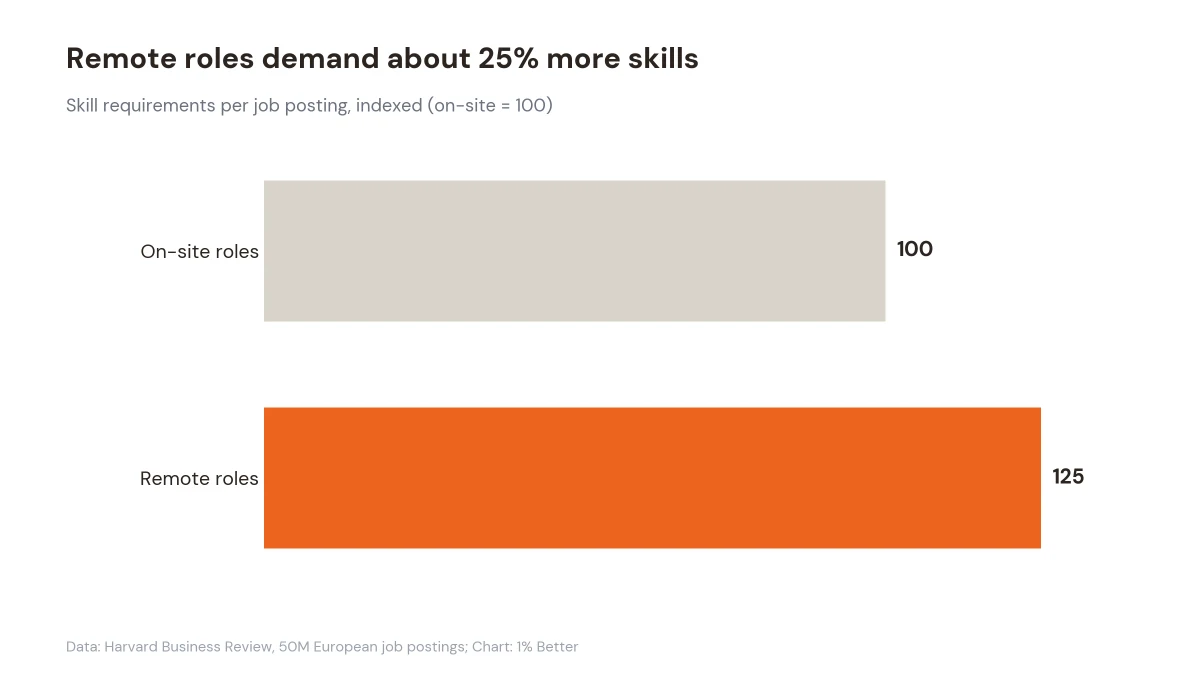
A Harvard Business Review analysis of 50 million European job postings finds remote roles require roughly 25% more skills than comparable on-site jobs.
Why it matters: Employers expect remote hires to arrive fully formed, which squeezes out early-career candidates who once learned on the job. The authors argue companies should rebuild structured training into distributed teams before the talent pipeline thins further.
Productivity
A third of remote work hours now happen in cafes, libraries, and coworking spaces
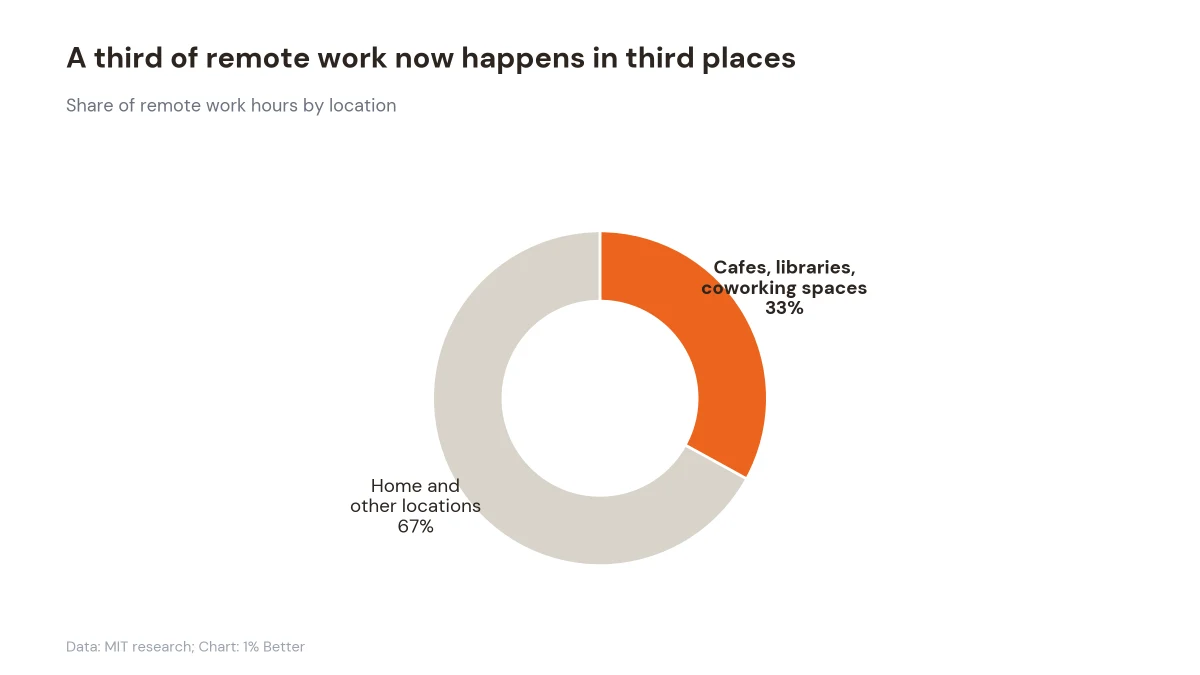
MIT research shows about a third of remote work hours now happen in third places such as cafes, libraries, and coworking spaces.
Why it matters: The ambient buzz of a coffee shop supplies energy and a feeling of connection while leaving workers free to focus. Swinburne University researchers found cafes rank as the clear favorite third place for laptop workers.
Business & Money
US consumer sentiment slides to 51.0, the first drop in three months
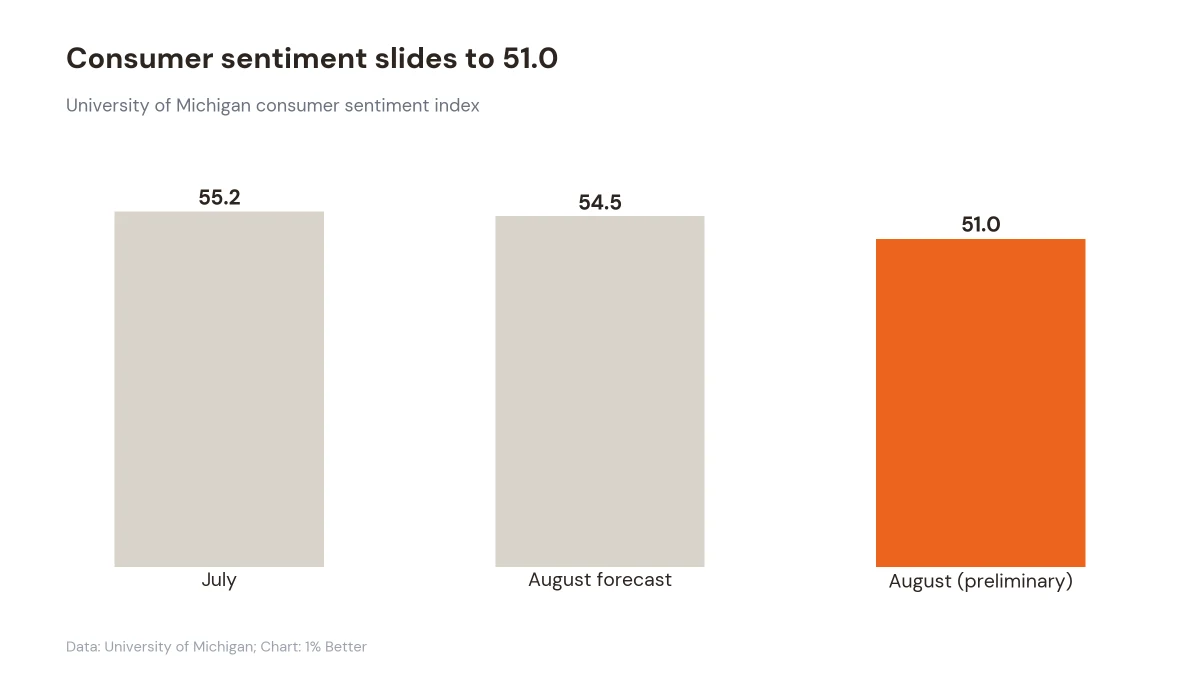
The University of Michigan's preliminary consumer sentiment index fell to 51.0 in August from 55.2 in July, well below the 54.5 forecast.
Why it matters: Weaker sentiment often foreshadows softer consumer spending, the engine of the US economy. Households pointed to inflation worries, with year-ahead inflation expectations rising to 4.3%.